
Cataract Symptoms: Early Signs & When to See a Specialist
Cataracts are a common eye condition where the eye’s natural lens becomes cloudy, leading to gradually hazier vision and difficulty seeing, especially at night. Many people mistakenly attribute early symptoms to normal aging. Early recognition is key because while the condition is progressive, it is also highly treatable.
Understanding the symptoms, when to seek professional diagnosis, and the available treatment options offered by specialists like Dr. Roy Tan at Cornerstone Eye Centre, are vital for timely eye care.
What are Cataracts? Understanding the ‘Clouding’ of Your Eye’s Lens
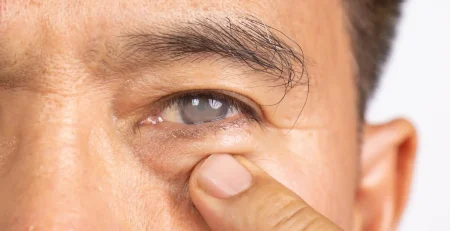
Cataracts are not a growth or a film over the eye; they are a gradual clouding of the eye’s natural lens, which sits just behind the iris and pupil.
The Science Behind Your Blurry Vision: How Cataracts Develop
The development of cataracts is primarily linked to the body’s aging process. Over time, the proteins within the lens naturally start to break down and aggregate. However, aging is not the only factor.
Here are the most common causes and risk factors identified by eye specialists:
- Age: This is the most prevalent factor. Most cataracts are age related, with the condition typically developing after the age of 50 or 60.
- Medical Conditions: Uncontrolled diabetes is a known accelerator of cataract formation.
- Prolonged Steroid Use: Long term use of oral or inhaled corticosteroids can increase the risk.
- Eye Trauma: A past injury to the eye can lead to a traumatic cataract years later.
- Lifestyle Factors: Excessive exposure to ultraviolet (UV) radiation without proper eye protection (sunglasses) and smoking have also been shown to increase risk.

Is it Cataract or Another Eye Condition? The Key Differences
Sometimes, subtle changes in vision can mimic cataract symptoms, leading to confusion with other common eye conditions. It is important to distinguish between them for correct diagnosis and treatment.
| Condition | Primary Symptom | Key Difference from Cataracts |
| Cataracts | Gradual, painless blurring and dimming of vision; glare | Lens Clouding: Affects light transmission into the eye; often reversible with surgery. |
| Glaucoma | Gradual peripheral (side) vision loss; acute eye pain (in angle-closure) | Optic Nerve Damage: Vision loss is permanent; caused by high eye pressure. |
| Presbyopia | Difficulty focusing on near objects (reading small print) | Loss of Flexibility: A focusing issue; distance vision remains clear. |
| Macular Degeneration | Distorted central vision; dark or blind spots in the centre | Retina Damage: Affects the central light-sensing tissue at the back of the eye. |
If you are experiencing vision changes, only a comprehensive eye exam with an ophthalmologist like Dr Tan can provide a definitive diagnosis.
Different Types of Cataracts and Their Unique Causes
Cataracts are classified based on where in the lens the clouding occurs, and each type may present with slightly different cataract symptoms.
- Nuclear Cataracts: This is the most common type, forming deep in the central nucleus of the lens. It is strongly associated with aging and may temporarily cause a second sight phenomenon where near vision improves, only to decline later.
- Cortical Cataracts: These form in the outer layer (cortex) of the lens, starting as white, wedge shaped streaks. They often cause issues with glare and scatter light.
- Posterior Subcapsular Cataracts: These form quickly at the back surface of the lens, directly in the path of light. They frequently impact reading vision and are more common in people with diabetes or those who take high doses of steroids.
Recognising the Key Early Cataract Symptoms (What to Look Out For)
The progression of cataracts is typically slow, meaning the earliest symptoms are often overlooked. Understanding these initial changes is the key to seeking timely intervention.
Subtle Signs: Mild Cataract Symptoms You Might Dismiss
The early stage of cataract development can be so gradual that individuals often attribute the vision change to simple ageing or the need for a stronger prescription. These mild cataract symptoms should not be ignored, as they are the first indicators that the lens is becoming less transparent.
- Slightly Blurred or Cloudy Vision: Your vision may just seem “off,” like a small smudge on a lens that you cannot wipe away.
- A Need for Brighter Light: You might instinctively start turning on more lights to read or work on hobbies that require close focus.
- Faint Glare Sensitivity: You might notice a subtle increase in discomfort from car headlights or streetlights compared to before.
Difficulty Seeing at Night and Driving Hazards in Low Light
A very common and frustrating cataract symptom is the compromise of night vision. The pupil naturally dilates in low light to let more light in; however, this dilation also exposes the most peripheral cloudy parts of the cataract.
- Poor Contrast: Vision contrast is reduced, making it difficult to distinguish objects from their background in dim environments.
- Night Driving Difficulty: Driving at night can become challenging or even unsafe. The headlights of oncoming cars can feel blinding, and streetlights appear overly bright due to light scatter.
Halos and Glare: Why Bright Lights Cause Discomfort

One of the most distinctive cataract symptoms is the visual disturbance caused by bright light sources. As the lens becomes cloudy, it no longer transmits light uniformly. Instead, the opacities within the lens cause light to be scattered as it enters the eye.
This light scattering manifests as:
- Glare: An overwhelming, blinding brightness from light sources.
- Halos: Rings of light or ‘auras’ appearing around bright objects like streetlights, lamps, or headlights.
These visual phenomena not only cause discomfort but can severely impair your vision, especially at night or in very bright environments, impacting your ability to judge distances and safely navigate.
Beyond Blurriness: Other Common Signs of Eye Cataracts
While blurred vision and glare are the primary indicators, there are other, less frequently discussed eye cataract symptoms that can significantly affect daily life. Recognising these signs ensures a complete understanding of how the condition can manifest.
The Double Vision Phenomenon (Monocular Diplopia)
Unlike double vision caused by muscle or nerve issues (which affects both eyes together), some individuals with cataracts experience double vision in only one eye. This is known as monocular diplopia.
- Cause: The irregular refraction of light caused by the developing cataract can split the image into two.
- How it Occurs: This double image remains even when the unaffected eye is closed, confirming that the issue lies within the affected eye’s lens.
- Progression: This symptom is often temporary or limited to a small area of the visual field but can be unsettling.
Frequent Changes in Your Eyeglass Prescription
In the very early stages of a nuclear cataract, the lens can swell and change shape, temporarily increasing its focusing power. This can lead to a brief period where a person who needed reading glasses finds they can suddenly read without them.
However, this improvement is fleeting. As the cataract progresses and the clouding worsens, the refractive error changes rapidly and frequently. You may find that your current glasses quickly become ineffective, leading to a need for updates every few months. This cycle of getting a new, stronger prescription only for it to fail again is a telltale indicator of a developing cataract.
Why Colours Look Faded or Yellowish
As the lens proteins clump together, they often take on a yellowish or brownish tint. This pigmentation acts as a natural filter for the light passing through the eye.
- Colour Perception: The world begins to look dull, muted, or as though it is constantly viewed through a sepia filter.
- Difficulty Matching Colours: This can impact daily life, making it hard to match clothing or judge the true colour of objects.
- Restoration: Patients who undergo lens replacement often express astonishment at how bright and vibrant colours appear post procedure, a clear testament to how much colour was being absorbed by the cloudy lens.

When to Seek Medical Attention for Your Cataract Symptoms
Knowing when to move from observation to consultation is the most critical step. If your vision changes begin to compromise your quality of life, it is time to consult an eye specialist.
Warning Signs: When Cataract Symptoms Require Immediate Care
While the onset of cataracts is generally slow, certain accompanying signs suggest a more urgent evaluation is necessary to rule out other serious conditions:
- Sudden Vision Loss: Any rapid, severe loss of vision in one or both eyes requires immediate medical review.
- Severe Eye Pain: Cataracts themselves are painless. Pain combined with blurred vision could indicate acute glaucoma or another serious eye condition.
- Flashing Lights or New Floaters: While not a cataract symptom, these can signal a retinal issue, such as a detachment, which needs prompt attention.
If your cataract symptoms are accompanied by any of these warning signs, you must seek immediate medical care from an ophthalmologist.
The Impact on Daily Life: Reading, Driving, and Recognising Faces
Cataracts are treated when they interfere with the patient’s desired activities. It is not a matter of a specific vision measurement but of functional impairment.
Ask yourself the following questions:
- Reading: Is reading a book, phone, or newspaper becoming tiring because you need more light or struggle with the clarity of the text?
- Driving: Are you avoiding driving in the rain, at dusk, or at night because of blinding glare from headlights or poor visibility?
- Recognising Faces: Are you finding it difficult to clearly recognise faces of family and friends from across a room or street?
If the answer to these is yes, your quality of life is being affected by your cataract symptoms, and it is the right time to seek a specialist consultation.
What is the Process of a Comprehensive Eye Exam in Novena?
If you are in Singapore and experiencing worrying cataract symptoms, Dr Roy Tan offers comprehensive eye examinations at Cornerstone Eye Centre in Novena.
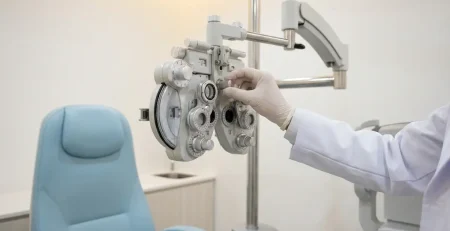
Your initial consultation involves a thorough assessment designed to precisely diagnose your condition and assess its impact. This typically includes:
- Visual Acuity Test: To measure the clarity and sharpness of your vision at various distances.
- Eye Pressure Check (Intraocular Pressure Test): Essential for screening the intraocular pressure to detect early signs of glaucoma.
- Comprehensive Eye Exam: A detailed assessment of the lens to confirm the presence, type, and severity of the cataract.
- Fundus Photography & Optic Nerve Screening: Capturing a detailed image of the retina and checking the optic nerve for early changes or damage.
- Specialist Consultation: Dr Tan will personally review all results and discuss how your cataract symptoms are affecting your lifestyle and future vision.
This thorough process ensures that your vision changes are definitively diagnosed as cataracts and that other potential issues are ruled out.
Want to understand more about your options once cataracts are diagnosed?
Cataract surgery is the definitive treatment, and it is natural to have questions about the procedure, recovery, and cost. Read our guide to cataract surgery for detailed information on the lens replacement procedure, safety protocols, and what to expect during your recovery.

Preventative Measures and Managing Cataract Risk Factors
While cataracts are largely age-related and unavoidable, there are proactive steps you can take to slow their progression and protect your overall eye health.
Lifestyle Changes to Protect Your Eye Health
Adopting specific habits can offer protection against the early formation of cataracts:
- UV Protection: Always wear sunglasses (with 100% UVA and UVB protection) when outdoors. Prolonged sun exposure is a proven risk factor.
- Healthy Diet: Eating a diet rich in fruits, vegetables, and antioxidants (Vitamins C, E, and Lutein) may help protect the lens from oxidative damage.
- Quit Smoking: Smoking accelerates the formation of cataracts, so cessation is one of the most effective preventative measures.
Managing Systemic Conditions: Diabetes and Steroid Use
Since many cataract causes are systemic, managing your overall health is crucial.
- Diabetes Control: Maintaining excellent blood sugar control is vital. High and fluctuating blood glucose levels are known to cause changes in the lens, accelerating cataract development.
- Medication Review: If you are on long term steroid medication, discuss the dosage and necessity with your prescribing physician and keep Dr Tan informed so he can monitor your eyes closely.
Why Choose Dr Roy Tan at Cornerstone Eye Centre, Novena
Dr Roy Tan is a highly experienced ophthalmologist known for his patient-first approach and meticulous attention to detail in the assessment and management of cataract symptoms. Located conveniently in Novena, Cornerstone Eye Centre offers a holistic approach to eye care, ensuring you receive a thorough diagnosis and a clear understanding of all your options.
- Expertise in Complex Cases: Dr Tan is proficient in managing a wide spectrum of cataract conditions, ensuring even complex cases are handled with superior care.
- Patient Education: We believe in empowering you to make the decision that is best for your lifestyle. Dr Tan dedicates time to clearly explaining the condition and the management plan.
- Advanced Technology: The clinic is equipped with modern diagnostic and surgical planning technology, ensuring accurate measurements for optimal visual outcomes.
If you are experiencing any of these vision changes or cataract symptoms, the first step is to accurately diagnose the cause. Take proactive steps to protect your sight today.
Ready for a comprehensive eye check up?
Dr Roy Tan at Cornerstone Eye Centre (Novena) offers comprehensive eye examinations. Whether you need routine screening, cataract evaluation, or management of complex eye conditions, our team provides personalised care tailored to your specific needs and concerns.
Our thorough examinations include all necessary testing to assess your eye health accurately, with clear explanations of findings and treatment options. We take time to answer your questions and ensure you understand your eye health status and any recommended next steps.
Book a Cataract & Glaucoma Screening for $88
Don’t wait for symptoms to appear before taking action. Early detection is key to preserving your vision.
At Dr Roy Tan’s clinic, we offer a comprehensive Cataract & Glaucoma Screening for just $88. This screening is designed to assess your eye health thoroughly, identify any early indicators of glaucoma or cataracts, and discuss your personalised options if either condition is detected.