Eye Surgery Singapore: A Guide to Vision Care Options
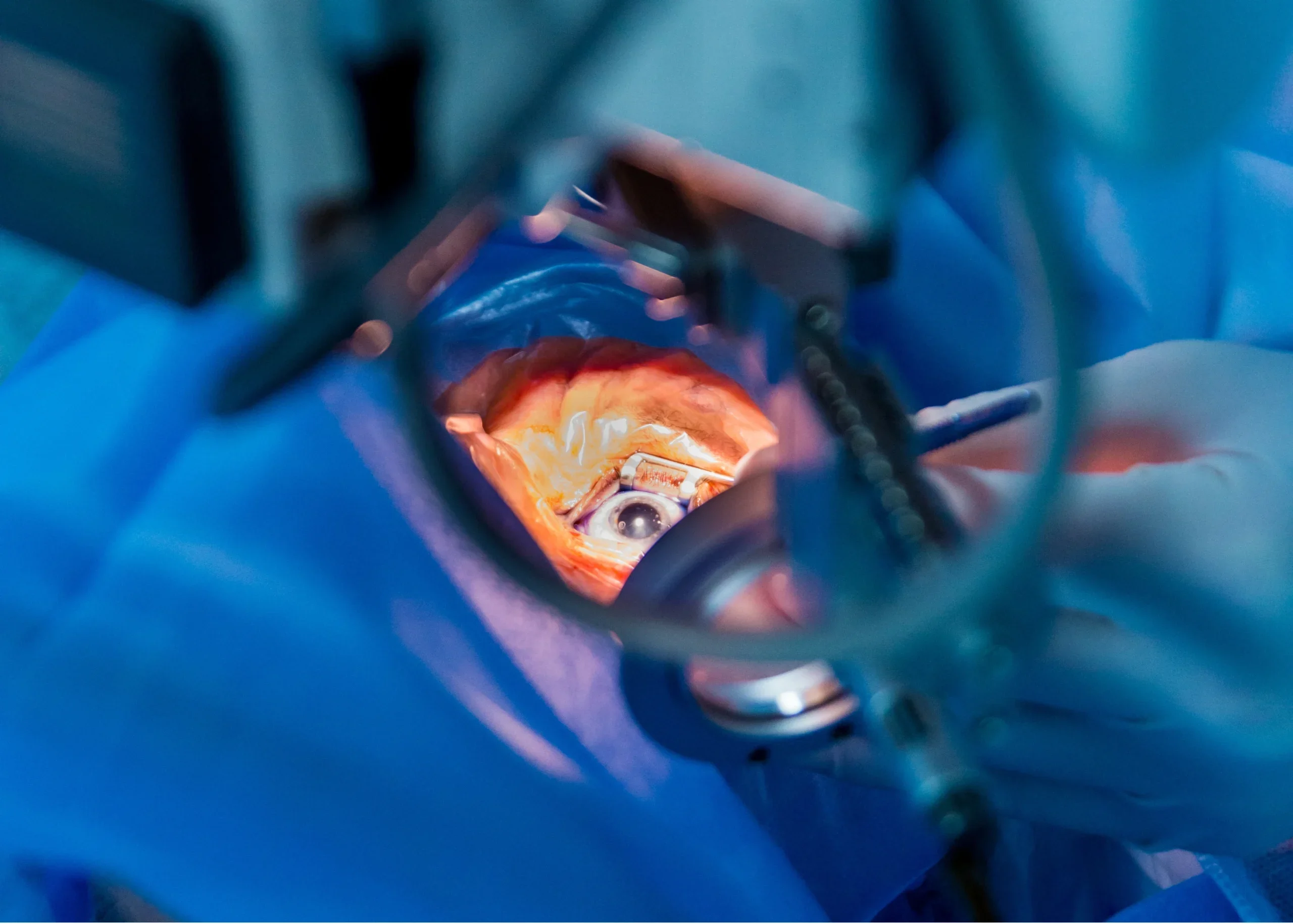
Eye surgery encompasses a broad range of procedures aimed at correcting vision, treating disease, and restoring the structures surrounding the eye. At Cornerstone Eye Centre in Novena, Dr Roy Tan provides specialised care across three main pillars: cataract removal, glaucoma management, oculoplastic (eyelid) surgery, and orbital or tear duct repairs.
Each of these options is tailored to the individual, ensuring that the chosen treatment aligns with your specific eye condition/diagnosisanatomy and lifestyle needs.
When is Eye Surgery Required
Surgery is typically considered when non-invasive methods like glasses, contact lenses, or eye drops no longer provide adequate relief or when an underlying condition threatens the long-term health of the eye.
Common indicators that surgery may be the next logical step include:
- Clouded Vision: When your natural lens becomes opaque (cataract), preventing light from entering clearly.
- Obstructed Visual Field: When drooping eyelids (ptosis) physically block your upper or side vision.
- Structural Irregularities: Issues with the tear ducts causing chronic infections, or orbital fractures that cause double vision.
- Refractive Limitations: When high myopia or thin corneas make traditional contact lenses uncomfortable or impractical.
Common Types of Eye Surgeries in Singapore
Singapore’s eye care landscape includes several specialised surgical fields. Broadly, these are categorised into vision restoration, vision correction, oculofacial reconstruction, and structural repairs.
| Category | Common Procedures | Primary Goal |
| Vision Restoration | Cataract & Glaucoma Surgery (Laser-Assisted or Traditional) | Replacing a cloudy lens to restore clear sight. |
| Vision Correction (Refractive) | LASIK & ICL | Reducing or eliminating the need for glasses by reshaping the cornea or implanting a lens. |
| Oculoplastics | Ptosis Repair, Blepharoplasty, Eyelid Tumour Removal | Correcting eyelid function and appearance. |
| Orbital & Lacrimal | Tear Duct Bypass (DCR), Orbital Decompression | Restoring tear drainage and eye socket health. |
Modern Cataract Surgery: Eye Surgery to Restore Clarity with Precision
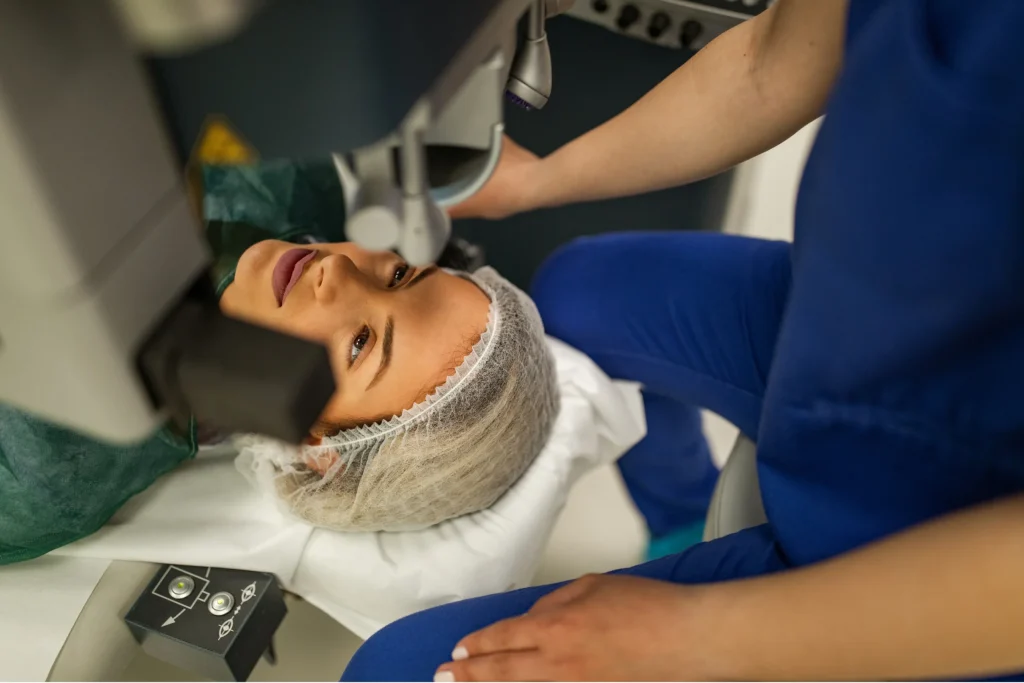
Cataract surgery has moved beyond simple lens replacement; it has evolved into a refractive procedure aimed at achieving the best possible visual outcome. This modern approach utilises advanced imaging and customisable lens implants to tailor results to each patient’s specific needs.
Bladeless Laser-Assisted vs. Traditional Methods of Eye Surgery
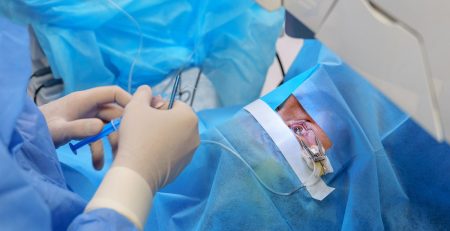
The transition toward femtosecond laser technology has redefined the standards of cataract removal. In a bladeless procedure, a computer-guided laser creates incisions with a level of accuracy that exceeds manual techniques. This laser also fragments the cloudy lens, allowing for gentler removal with less ultrasound energy.
This is medically classified as a minimally invasive outpatient surgery. The process is typically completed in 15 to 20 minutes under local anaesthesia, allowing patients to return home the same day.
Selecting Intraocular Lenses (IOLs) for Your Lifestyle
Choosing the right lens is a collaborative process based on your daily activities. There are several categories of IOLs available:
- Monofocal Lenses: Designed for clear vision at one primary distance (usually far).
- Multifocal Lenses: Feature different zones to allow for both near and distance vision.
- Extended Depth of Focus (EDOF): Provide a continuous range of high-quality vision, reducing the gaps between distances.
Glaucoma Surgery: Eye Surgery to Protect the Optic Nerve
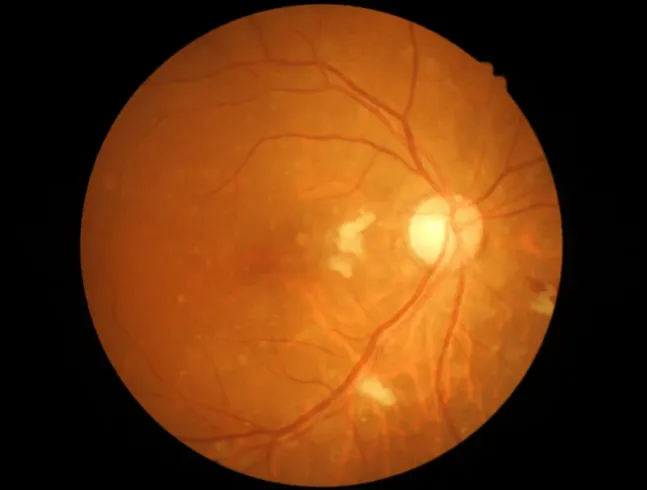
Glaucoma is often called the “silent thief of sight” because it frequently has no symptoms until permanent vision loss occurs. When eye drops or laser treatments are insufficient to lower intraocular pressure, surgical intervention becomes necessary to prevent further damage.
Minimally Invasive Glaucoma Surgery (MIGS)
MIGS is a modern surgical approach designed to improve the eye’s natural drainage system. By employing tiny implants or shunts, these procedures provide a less invasive means of managing fluid buildup within the eye.
- Benefits: Faster recovery, fewer complications than traditional surgery, and can often be performed simultaneously with cataract surgery.
- Outcome: Aimed at reducing the daily dependency on multiple types of eye drops.
Traditional Filtration Eye Surgery and Tube Implants
For more advanced or aggressive glaucoma, traditional surgeries like a trabeculectomy may be required. This creates a new drainage pathway (a “bleb”) for the fluid to exit the eye. In complex cases, a drainage tube or valve may be implanted to maintain a steady, safe eye pressure.
Laser Therapy for Pressure Management
Selective Laser Trabeculoplasty (SLT) is a common first-line surgical option. It uses a non-thermal laser to stimulate the drainage tissue, helping the eye fluid flow more effectively without the need for traditional incisions.
Vision Correction Eye Surgery in Singapore: LASIK and ICL
For individuals looking to reduce their reliance on corrective eyewear, Singapore offers several refractive procedures. The suitability of each method depends on the patient’s corneal structure and the severity of their refractive error.
Laser-Assisted In Situ Keratomileusis (LASIK)
LASIK is a common refractive procedure used to correct vision. During the process, a femtosecond laser creates a thin flap on the cornea. An excimer laser is then used to remove a specific amount of corneal tissue to reshape the eye and improve focus.
- Suitability: This is typically recommended for patients with low to moderate myopia or astigmatism who possess sufficient corneal thickness.
- Recovery: Most patients experience improved vision within 24 hours of the procedure.
- Key Factors: The procedure involves permanent modification of the corneal tissue. Some patients may experience temporary dry eye symptoms during the healing phase.
Implantable Collamer Lens (ICL)
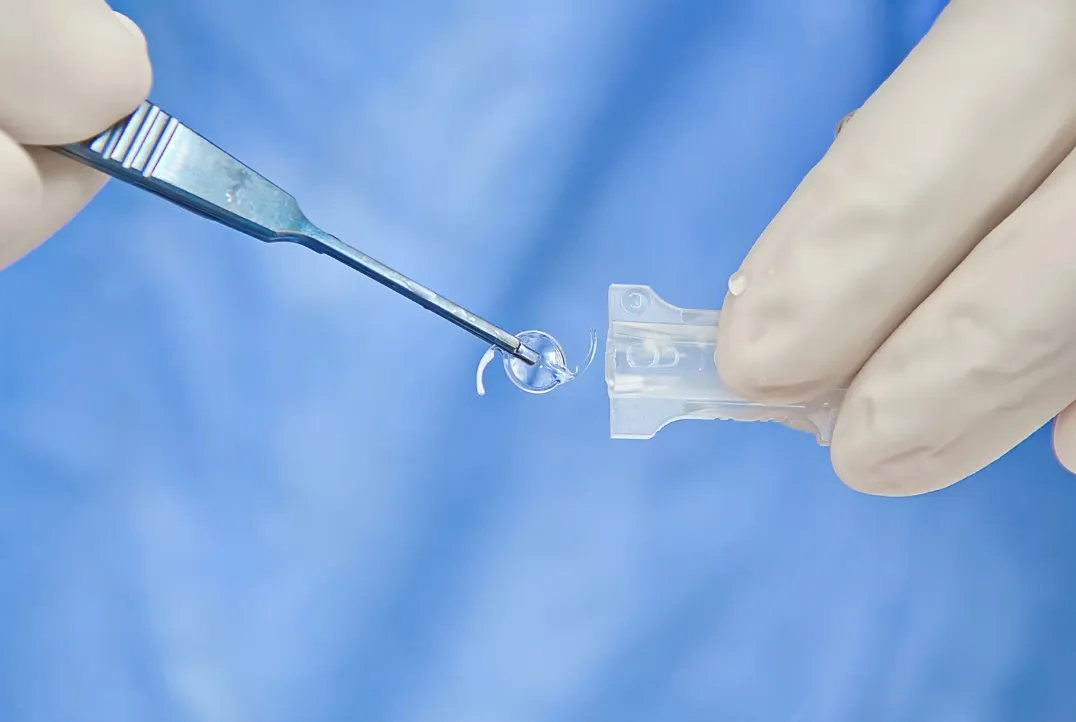
ICL is an additive refractive procedure. Instead of removing corneal tissue, a biocompatible lens is surgically placed inside the eye, situated behind the iris and in front of the natural lens.
- Suitability: This option is often suitable for patients with high myopia (generally exceeding -8.00D), naturally thin corneas, or pre-existing dry eye conditions.
- Key Factors: The procedure is potentially reversible, as the lens can be removed or replaced if necessary. It does not involve thinning the cornea and provides high-definition vision correction.
- Considerations: As an intraocular surgery, it is more invasive than surface-based laser treatments and generally carries a higher cost.
Oculoplastic & Eyelid Surgery: Eye Surgery for Functional and Aesthetic Concerns
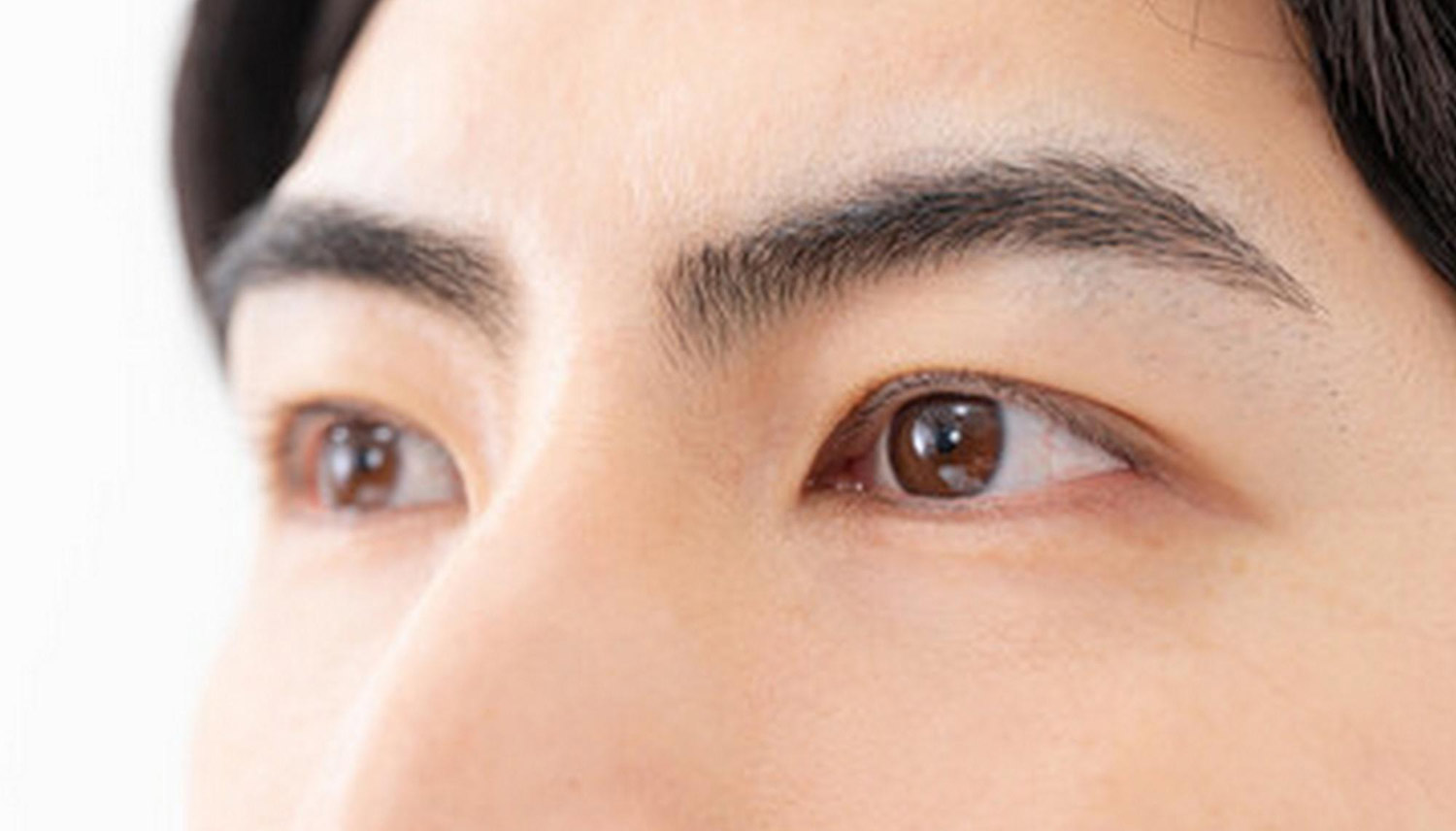
Oculoplastic surgery focuses on the delicate structures around the eye, including the eyelids, orbit, and tear ducts. These procedures often address issues that affect both how you see and how you look.
Correcting Drooping Eyelids (Ptosis Surgery)
Ptosis occurs when the upper eyelid droops, sometimes to the point of obscuring the pupil. This is often caused by the stretching of the levator muscle.
- Functional Ptosis: Surgery is performed to lift the lid and clear the visual field.
- Aesthetic Ptosis: Subtle adjustments are made to ensure symmetry and a more open eye appearance.
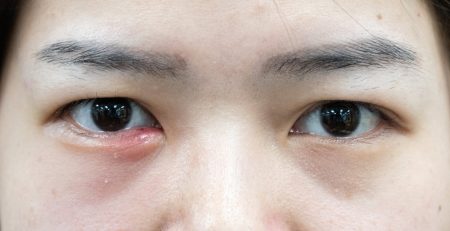
Double Eyelid Surgery and Eyebag Removal
- Upper Blepharoplasty: Creates a defined eyelid crease or removes excess, sagging skin.
- Lower Blepharoplasty: Involves the removal or redistribution of fat to smooth out eyebags.
Advanced Orbital and Tear Duct Surgery
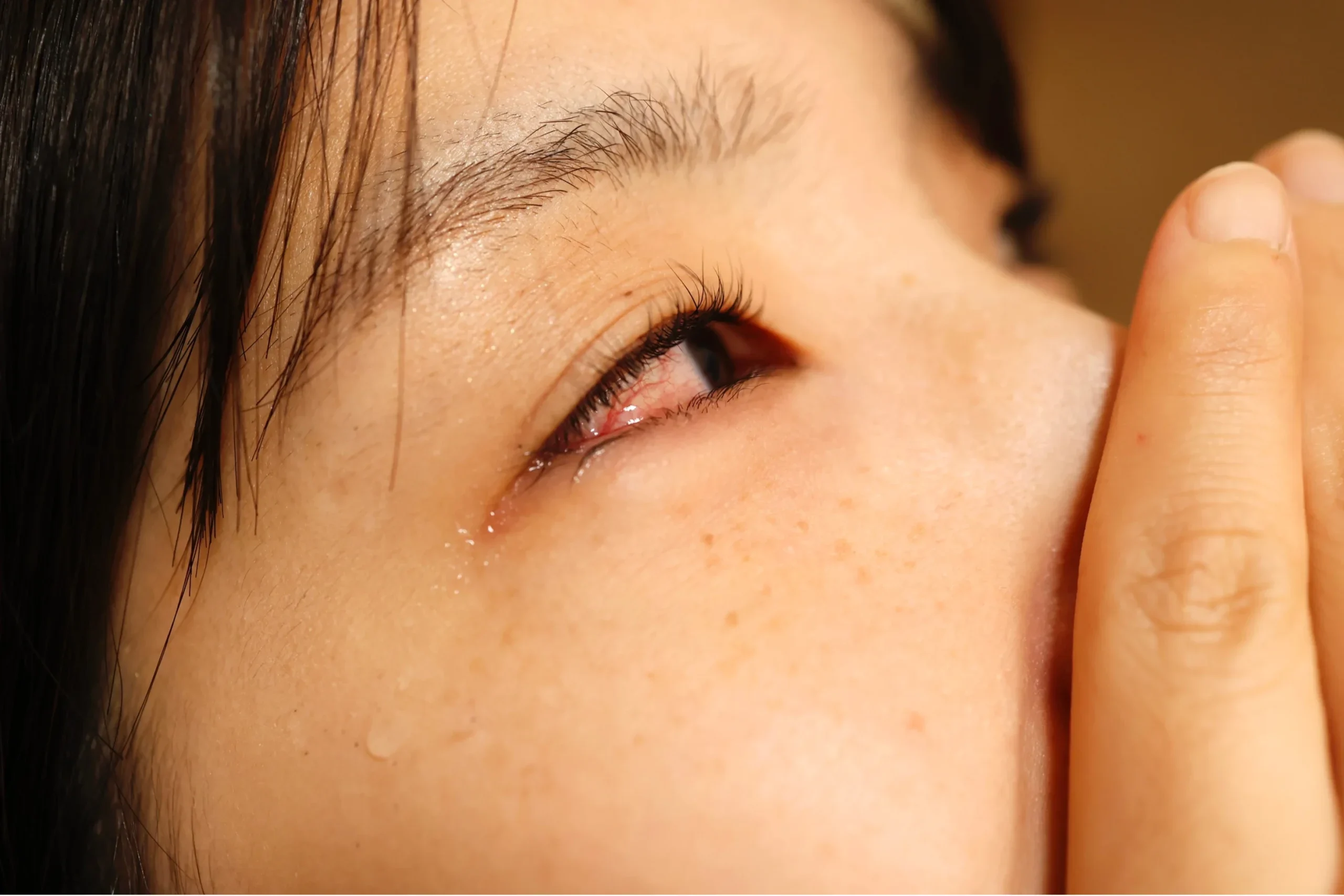
Complex conditions involving the eye socket (orbit) and the drainage system (tear ducts) require a deep understanding of facial anatomy to ensure both safety and symmetry.
Managing Orbital Fractures and Thyroid Eye Disease
The orbit is a small, crowded space where even minor changes can impact vision.
- Orbital Fractures: Often resulting from trauma, these require structural restoration to prevent double vision.
- Thyroid Eye Disease: Can cause inflammation and bulging of the eyes. Surgical intervention may be needed to decompress the orbit.
Relieving Watery Eyes with Tear Duct Surgery
A blocked tear duct can lead to constant tearing and recurrent infections.
- Dacryocystorhinostomy (DCR): A surgical bypass is created to allow tears to drain into the nose again.
- Minimally Invasive Approaches: Many of these procedures can now be performed through small incisions to avoid visible facial scarring.
How to Choose a Specialist for Eye Surgery
Choosing the right surgeon in Singapore involves looking beyond just years of experience. Because the eye is a highly specialised organ, many ophthalmologists undergo additional fellowship training in specific areas.
What to Consider Before Your Consultation:
- The Patient Experience: During your first visit, does the surgeon explain the risks and alternatives clearly, or is there a rush toward surgery?
- Sub-Specialisation: Does the surgeon focus on the specific area you need? For example, someone seeking eyelid repair should look for a specialist in Oculoplastics.
- Diagnostic Technology: Does the clinic use standard diagnostic technology to ensure eye assessment and surgical precision?
- MOH & HSA Compliance: Ensure the specialist is registered with the Singapore Medical Council and that the clinic follows ethical advertising guidelines (avoiding guarantees or safest claims).
Frequently Asked Questions about Eye Surgery
Is eye surgery painful?
Most patients are pleasantly surprised by the lack of discomfort. For cataract surgery, numbing drops are used, and you may receive a light sedative to help you stay relaxed. Eyelid surgeries are typically performed under local anaesthesia with or without sedation, ensuring you feel no pain during the procedure.
How long do the eye surgery results last?
Cataract surgery results are permanent, as the prosthetic lens does not age or develop new cataracts. Eyelid surgery results are also long-lasting; however, the surrounding skin will continue to age naturally over the decades. Unlike laser vision correction, which reshapes the cornea, lens-based surgeries are not subject to the same regression over time.
Can I undergo eye surgery if I have thin corneas?
While thin corneas can be a limiting factor for certain types of laser vision correction, they generally do not affect your suitability for cataract or oculoplastic surgery. If you were previously told you were not a candidate for LASIK, you may still be an excellent candidate for IOL-based vision restoration.
What is the downtime for eyelid vs. cataract surgery?
Recovery timelines vary by the extent of the tissue involved:
- Cataract Surgery: 1–2 days of relative downtime; vision stabilises in about a week.
- Eyelid Surgery: 7–14 days for the majority of swelling and bruising to subside.
Will I still need reading glasses after surgery?
This depends on your choice of lens. Standard monofocal lenses usually require reading glasses. However, with multifocal or EDOF lenses, many patients achieve freedom from glasses for most daily tasks. It is important to remember that as the eye ages, some very fine-print tasks might still benefit from a light pair of readers.
Why Choose Dr Roy Tan at Cornerstone Eye Centre, Novena
Choosing a surgeon is a decision that involves both trust and technical expertise. Dr Roy Tan is an internationally trained ophthalmologist with a specific sub-specialisation in Oculoplastic and Orbital surgery. This means that whether he is performing a precision cataract procedure or a complex eyelid reconstruction, he brings a deep understanding of both the internal and external health of the eye.
Located in the Royal Square Medical Centre in Novena & Mount Alvernia Medical Centre, Cornerstone Eye Centre is equipped with standard diagnostic tools. This ensures that every measurement—from the curve of your cornea to the depth of your orbit—is captured with the highest degree of accuracy.
Summary of Symptoms
If you notice any of the following, it may be time to discuss surgical options:
- Cloudy or muddy vision that no longer improves with new glasses.
- Difficulty driving at night due to glare or halos.
- Eyelids that feel heavy or tire easily by the end of the day.
- Chronic watery eyes or persistent lumps on the lid.
- Double vision or changes in the position of your eye.
Consult Dr Roy Tan at Cornerstone Eye Centre in Novena to discuss your vision and treatment options. If you are experiencing any of these symptoms and your quality of life is affected, the next crucial step is a comprehensive eye examination with an experienced ophthalmologist.
Take the Next Step
Early detection and treatment are crucial to safeguarding your vision from the irreversible damage caused by glaucoma.
Book the Comprehensive $88 Cataract & Glaucoma Screening.
Book a Cataract & Glaucoma Screening for $88
Don’t wait for symptoms to appear before taking action. Early detection is key to preserving your vision.
At Dr Roy Tan’s clinic, we offer a comprehensive Cataract & Glaucoma Screening for just $88. This screening is designed to assess your eye health thoroughly, identify any early indicators of glaucoma or cataracts, and discuss your personalised options if either condition is detected.