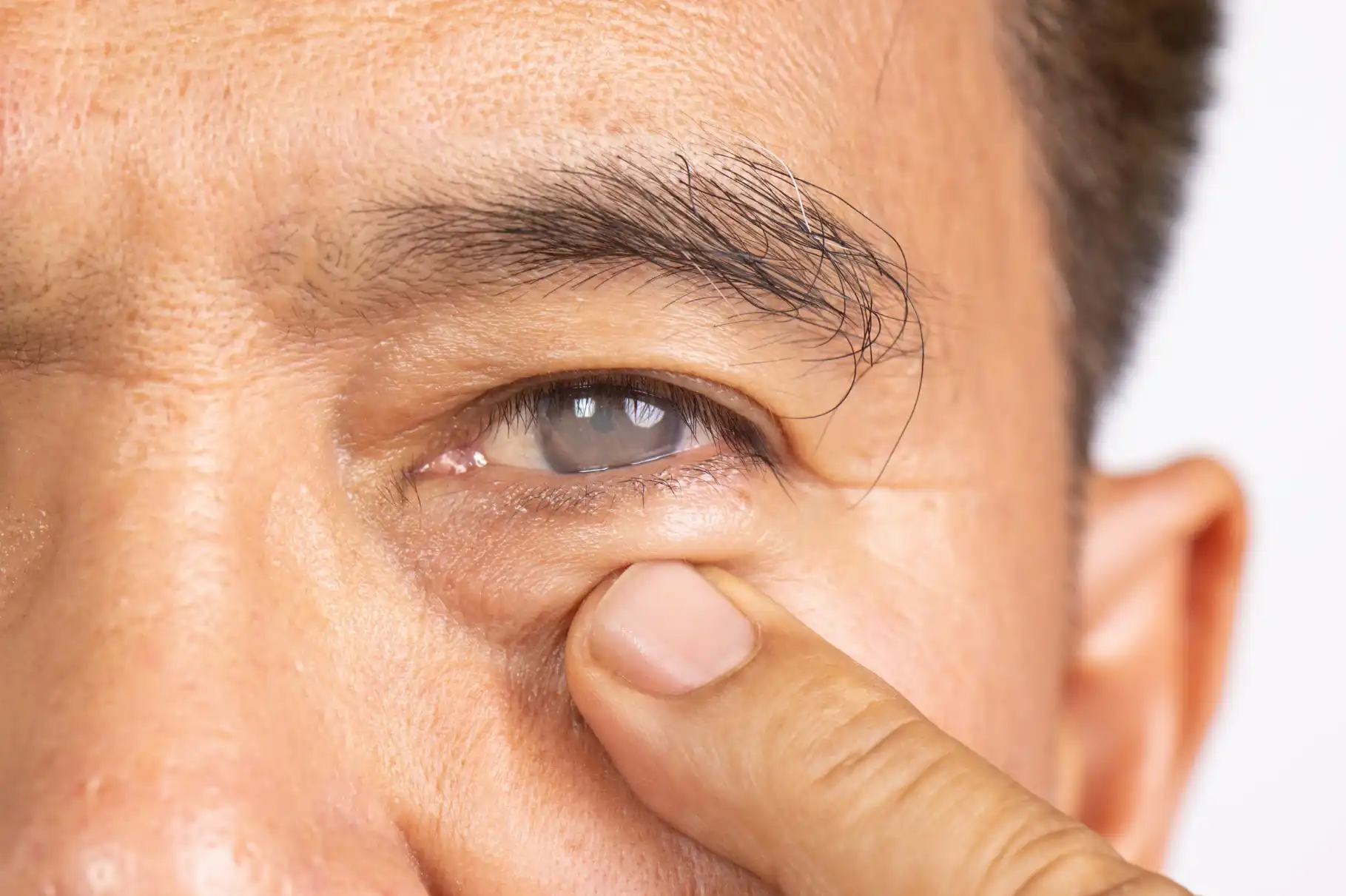
Your Guide to Glaucoma Treatment Options in Singapore
Have you recently been told you have high eye pressure, or are you concerned about losing your peripheral vision? It can be a worrying time. However, receiving a diagnosis of glaucoma is the first, crucial step toward protecting your sight. In Singapore, access to glaucoma treatment has advanced considerably, offering patients a tailored approach from prescription eye drops to state-of-the-art surgery.
At Cornerstone Eye Centre in Novena, Dr Roy Tan provides comprehensive, personalised expertise in glaucoma treatment, guiding you through the full range of options, from eye drops and laser therapy to modern, minimally invasive surgery.. Understanding your options is essential to securing your long-term sight.
Understanding Glaucoma and Its Importance in Singapore
Glaucoma represents a group of eye conditions that damage the optic nerve, typically due to elevated intraocular pressure (IOP). Without treatment, this progressive condition leads to permanent vision loss. Singapore’s ageing population and high prevalence of myopia contribute to increased glaucoma risk, making early detection and treatment crucial.
The condition often develops silently. Many patients experience no symptoms until substantial vision loss has occurred. This makes routine eye examinations essential, particularly for those over 40, individuals with a family history of glaucoma, or people with high myopia.
What is the Primary Goal of Glaucoma Treatment?
The fundamental objective of glaucoma treatment is straightforward: lower intraocular pressure to prevent further optic nerve damage. High pressure within the eye damages the delicate nerve fibres that transmit visual information to your brain. Once these fibres are damaged, they cannot regenerate.
Reducing eye pressure slows or halts disease progression, preserving your remaining vision. Your ophthalmologist will determine a target IOP based on your specific condition, the extent of existing damage, and risk factors. Treatment success is measured not by improved vision, but by stabilising your current visual field.
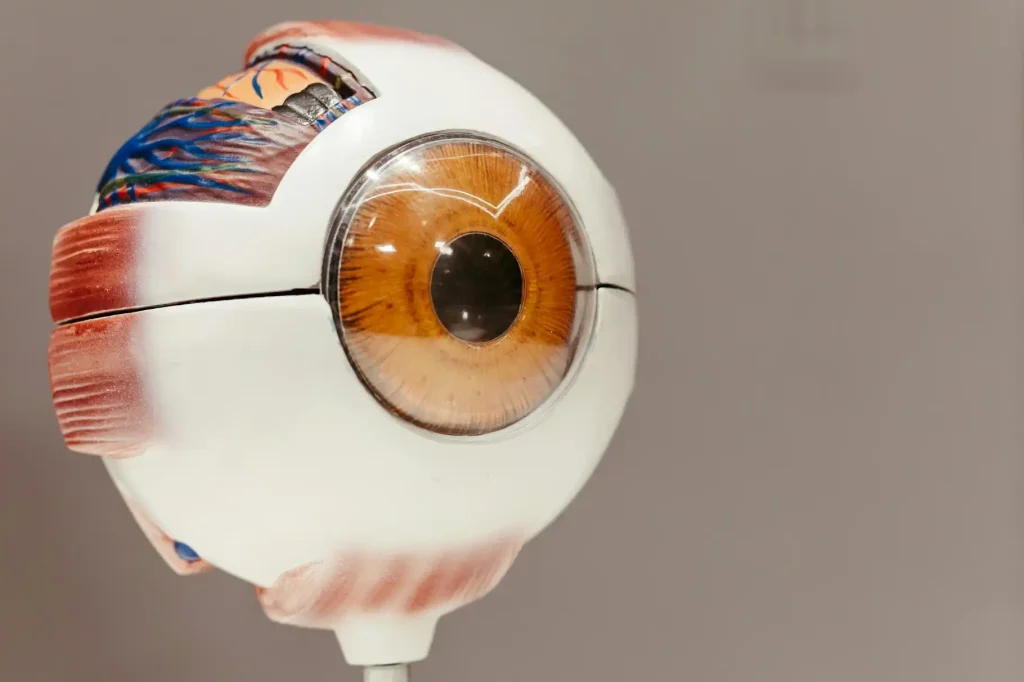
Methods to decrease eye pressure include:
• Reducing eye fluid (aqueous humour) production within the eye
• Improving drainage of fluid through existing channels
• Creating new drainage pathways through surgical intervention
Can Glaucoma Be Cured?
Currently, glaucoma cannot be cured. However, it can be effectively managed. Think of it like diabetes or hypertension—conditions that require ongoing treatment but can be controlled with proper care.
Early intervention offers the best outcomes. Once vision is lost to glaucoma, it cannot be restored. This underscores why consistent treatment and regular follow-ups are vital, even if you feel fine and haven’t noticed changes in your vision.
Common glaucoma symptoms in advanced stages include:
- Peripheral vision loss (tunnel vision)
- Blurred vision
- Eye pain or redness (in acute angle-closure glaucoma)
- Nausea or vomiting (in acute cases)
Many patients, particularly those with open-angle glaucoma, experience no symptoms until considerable damage has occurred. Regular comprehensive eye examinations remain your best defence.
Comprehensive Glaucoma Treatment Options: Eye Drops, Laser, and Surgery

From prescription medications to cutting-edge surgical techniques, Singapore offers a full spectrum of glaucoma treatments. Your ophthalmologist will recommend an approach based on your glaucoma type, severity, overall health, and lifestyle considerations.
Prescription Eye Drops and Oral Medications (First Line of Defence)
For most patients, treatment begins with prescription eye drops. These medications work by either decreasing fluid production in the eye or improving its drainage. Multiple classes of glaucoma drops exist, each with distinct mechanisms and side effects.
Common eye drop categories include:
- Prostaglandin analogues: Increase fluid outflow (usually once-daily dosing)
- Beta-blockers: Reduce fluid production
- Alpha agonists: Decrease fluid production and increase drainage
- Carbonic anhydrase inhibitors: Lower fluid production
- Rho kinase inhibitors: Improve drainage pathway function
Your specialist may prescribe a single medication or combination therapy. Adherence is critical—missing doses allows pressure to rise, potentially causing irreversible damage. Some patients struggle with remembering multiple daily applications or experience side effects like eye redness, stinging, or changes in eyelash growth.
Oral medications (typically carbonic anhydrase inhibitors) may be prescribed when eye drops alone prove insufficient or in emergency situations requiring rapid pressure reduction.
Laser Treatment for Glaucoma (SLT vs. LPI)
When eye drops are insufficient, or if medication side effects compromise adherence, laser therapy offers an outpatient-based glaucoma treatment that is both quick and low-risk. Laser procedures are excellent for achieving sustained pressure control without requiring incisions.
Two primary laser procedures are used in glaucoma treatment:
- Selective Laser Trabeculoplasty (SLT): This is the SLTslt laser treatment for glaucoma of choice for open-angle glaucoma. The laser uses a low level of energy to selectively treat pigmented cells in the drainage meshwork, stimulating a biological response that improves fluid outflow. It is non-destructive, repeatable, and often provides effective pressure reduction for several years, allowing patients to reduce or eliminate their need for eye drops.
- Laser Peripheral Iridotomy (LPI): This is the definitive glaucoma treatment for angle-closure glaucoma. It creates a tiny hole in the peripheral iris, which equalises the pressure between the front and back of the iris. This equalisation removes the blockage of the drainage angle, immediately lowering the IOP and preventing dangerous acute angle-closure attacks.
Both types of laser eye surgery for glaucoma are often performed in the clinic with minimal downtime, making them a popular and effective choice for many patients. If you are considering SLT laser treatment for glaucoma, discuss its suitability based on your specific glaucoma type.
Surgical Solutions: MIGS and Conventional Surgeries
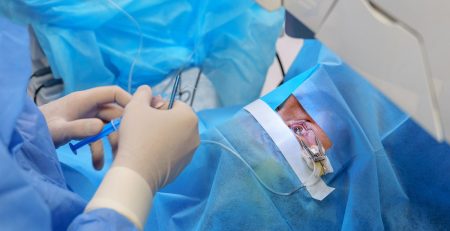
When non-surgical and laser options are unable to maintain the required low IOP, or when the disease is already advanced, surgical intervention becomes the necessary glaucoma treatment.
Glaucoma surgery is divided into two primary categories:
- Conventional Filtering Surgery: The most common traditional surgery is the trabeculectomy, which creates a new drainage channel (a filtering bleb) for the aqueous humour to leave the eye under the upper eyelid. This is typically for advanced or complex cases.
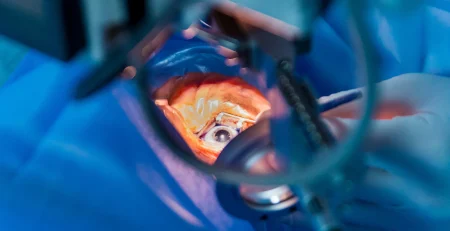
- Minimally Invasive Glaucoma Surgery (MIGS): This innovative class of procedures, including minimally invasive glaucoma surgery Singapore specialists are increasingly performing, uses micro-incisions and microscopic devices to enhance the eye’s natural drainage system. MIGS is generally reserved for mild-to-moderate glaucoma and is often performed simultaneously with cataract surgery, offering faster recovery and a much lower complication profile.
What are the benefits of MIGS over traditional glaucoma surgery?
MIGS devices work by enhancing the eye’s natural drainage system rather than creating entirely new pathways. This approach preserves normal eye anatomy, reducing complications and recovery time.
Key advantages include:
- Smaller incisions leading to faster healing
- Lower risk of serious complications
- Reduced postoperative inflammation
- Quicker return to daily activities (often within days)
- Can be combined with cataract surgery
- Preserves options for future treatments if needed
Popular MIGS devices include the iStent (a tiny titanium scaffold that improves drainage) and the Hydrus Microstent. Most procedures take 15-30 minutes, often performed alongside cataract removal for patients needing both interventions.
Recovery from MIGS is notably smoother than traditional surgery. Whilst conventional procedures may require weeks of restricted activity, most MIGS patients resume normal routines within several days. The risk of vision-threatening complications is considerably lower, though MIGS may not achieve the same degree of pressure reduction as trabeculectomy in advanced cases.
Who Is an Ideal Candidate for MIGS in Singapore?
MIGS suits patients with mild to moderate open-angle glaucoma, particularly those also requiring cataract surgery. It’s an excellent option if you’re seeking to reduce dependence on eye drops whilst avoiding the risks associated with traditional surgery.
Ideal candidates typically:
- Have open-angle glaucoma (not angle-closure)
- Require moderate IOP reduction
- Desire fewer medications
- Are undergoing or planning cataract surgery
- Have failed or struggle with medical therapy
- Want quicker recovery with lower complication rates
MIGS may not be suitable for advanced glaucoma requiring substantial pressure reduction or specific angle-closure cases. Your ophthalmologist will assess your eye anatomy, disease severity, and overall health to determine if MIGS aligns with your needs.
Key Considerations When Selecting Glaucoma Treatment
Choosing the right glaucoma treatment involves more than clinical factors. Practical considerations play crucial roles in treatment success.
Cost, MediSave, and Insurance Coverage in Singapore
A major practical question for patients is the glaucoma treatment cost in Singapore and how local financial schemes can help manage expenses.
The cost of glaucoma treatment varies based on the type of procedure and the setting (public vs. private). Fortunately, many major procedures are supported by the national savings scheme:
- Medisave Eligibility: Most surgical procedures (including conventional filtering surgery, tube shunt implants, and advanced MIGS procedures) are generally Medisave claimable. The amount you can claim will be subject to the relevant withdrawal limits set by the CPF Board.
- Laser Treatments: Procedures like SLT and LPI are also typically claimable, providing significant relief from out-of-pocket expenses.
- Medication: For seniors (aged 60 and above), there are provisions allowing the use of Medisave to pay for anti-glaucoma medication and eye drops.
We strongly advise patients to consult with our clinic staff and their private insurance provider regarding specific eligibility for claims, especially if they hold an Integrated Shield Plan, which may offer further coverage for their preferred glaucoma treatment.
What Are the Considerations When Selecting Glaucoma Treatment?
Several factors influence which treatment path suits you best. Your ophthalmologist will consider these elements whilst also incorporating your preferences and circumstances.
Key decision factors:
- Glaucoma type and severity: Open-angle versus closed-angle glaucoma requires different approaches; advanced disease may necessitate surgery
- Current IOP and target pressure: Greater pressure reduction needs may favour surgical options
- Medication adherence: Difficulty remembering drops or tolerating side effects might prompt earlier surgical intervention
- Lifestyle and occupation: Active individuals may prefer surgery over multiple daily medications
- Age and life expectancy: Younger patients might prioritise treatments preserving future options
- Concurrent eye conditions: Cataracts often prompt combined procedures
- Personal comfort with surgery: Some patients prefer exhausting medical options first
Open-angle glaucoma, the most common form, typically begins with eye drops and may progress to laser or surgery. Angle-closure glaucoma often requires urgent laser treatment (LPI) to prevent vision-threatening pressure spikes, with surgery needed if angles remain closed.
There’s rarely one “correct” choice. The best treatment is one you’ll adhere to consistently whilst effectively controlling your eye pressure with acceptable side effects and lifestyle impact.
Why Choose Dr Roy Tan at Cornerstone Eye Centre, Novena
Dr Roy Tan brings extensive expertise in glaucoma management to patients at Cornerstone Eye Centre in Novena. As a glaucoma specialist, Dr Tan offers comprehensive care from diagnosis through surgical intervention, including minimally invasive techniques.
Cornerstone Eye Centre provides:
- Range of diagnostic equipment for precise glaucoma assessment
- Full spectrum of treatment options, from medications to MIGS and conventional surgery
- Personalised treatment plans tailored to your specific condition and lifestyle
- Convenient Novena location with modern facilities
- Dedicated follow-up care to monitor treatment effectiveness
Early detection and proper management are paramount in preserving your vision. If you’re concerned about glaucoma or seeking a second opinion on your current treatment plan, Dr Tan and his team are ready to help you navigate your options.
Take the Next Step
Early detection and treatment are crucial to safeguarding your vision from the irreversible damage caused by glaucoma.
Book the Comprehensive $88 Cataract & Glaucoma Screening.
Book a Cataract & Glaucoma Screening for $88
Don’t wait for symptoms to appear before taking action. Early detection is key to preserving your vision.
At Dr Roy Tan’s clinic, we offer a comprehensive Cataract & Glaucoma Screening for just $88. This screening is designed to assess your eye health thoroughly, identify any early indicators of glaucoma or cataracts, and discuss your personalised options if either condition is detected.