Lazy Eye (Amblyopia) Treatment in Singapore
Have you noticed your child squinting frequently, or perhaps you have struggled with poor depth perception since childhood? Many people believe that once you pass the age of eight, a lazy eye is permanent. Cornerstone Eye Centre focuses on treating lazy eye in children before they reach adulthood.
What is Lazy Eye (Amblyopia)?
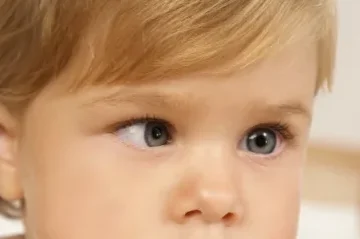
Lazy eye (amblyopia) occurs when the brain favours one eye, causing the other to lose its visual strength. It isn’t a physical defect of the eye, but a disconnect in how the brain processes the images it receives. Myopia is common in Singapore, so early check-ups and specialist care are essential to preventing permanent vision problems.
Understanding the Brain-Eye Connection
- Sight is a Learned Skill: The ability to see clearly develops over time during childhood. In the first few years of life, the brain has to learn how to read the signals coming from the eyes.
- The Confusion Filter: If one eye is blurry or crooked, the brain gets two different images. To avoid total confusion, it simply ignores the signal from the weaker eye.
- Development Stalls: Because the brain is ignoring that eye, the neurological wires between them never finish developing properly.
- The Brain Factor: Glasses cannot always fix the issue because the problem is not limited to the physical lens of the eye. The core of the challenge is actually the processing software located within the brain.
Lazy Eye vs. Strabismus
It is a common mistake to use these terms interchangeably. Here is a breakdown of the differences between the two:
| Feature | Strabismus (The Turn) | Amblyopia (The Vision Loss) |
| What it is | A physical misalignment where the eyes do not line up together. | A reduction in vision that occurs because the brain ignores one eye. |
| Commonly called | A squint or crossed eyes. | A lazy eye. |
| Visibility | Usually easy to see (one eye turns in, out, up, or down). | Often invisible to the naked eye. |
| The Cause | Issues with the eye muscles or the nerves controlling them. | The brain fails to develop a strong connection with one eye. |
| The Fix | Often involves surgery or special glasses to align the eyes. | Often involves patching the strong eye to force the brain to use the weak one. |
What Does Lazy Eye Look Like?
In many cases, a lazy eye is invisible to the untrained observer. However, certain physical indicators may suggest its presence. These include:
- An eye that appears to wander or move independently.
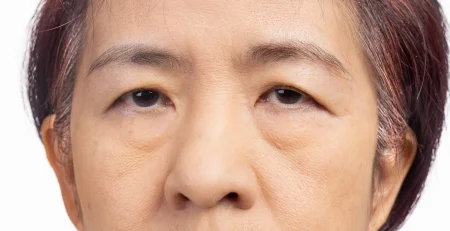
- A drooping upper eyelid (ptosis) that partially blocks the pupil.
- Inability to focus both eyes on a single point.
- Excessive blinking or rubbing of one specific eye.
Recognising Lazy Eye Symptoms in Children and Adults
Early diagnosis remains a challenge because many patients naturally compensate for their poor vision without realising a problem exists.
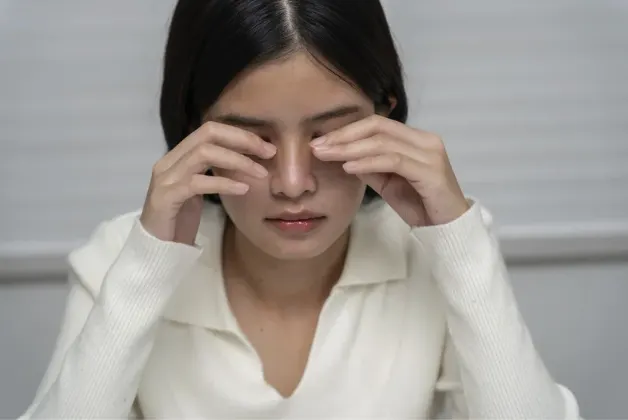
Common Signs in Children
- Physical Tilting: The child might tilt their head at an odd angle to try and focus on a book or the TV.
- Coordination Struggles: Difficulty with hand-eye coordination, such as catching a ball or playing sports.
- School Performance: Unexpected struggles with schoolwork, especially tasks that require long periods of focus.
- Lack of Complaints: Children rarely say they can’t see well because they assume everyone sees exactly like they do.
Symptoms Linked to Fatigue
- The Drift: A hidden lazy eye often appears when a child is tired or has a fever. You might notice one eye drifting outward at the end of the day.
- Brain Exhaustion: When the brain is tired, it loses the energy needed to force the eyes to work together.
- Adult Fatigue: Common symptoms for adults include brow-area discomfort and double vision, particularly after extended periods of screen time.
Vision Challenges for Adults
- Depth Perception Issues: This makes it difficult to accurately judge distances during daily tasks.
- Driving Difficulties: Judging the speed of oncoming traffic can be more challenging.
- 3D Limitations: Inability to correctly merge visual inputs can make 3D effects appear flat or cause physical strain during viewing.
Common Causes and Risk Factors for Lazy Eye
Understanding the root cause of lazy eye is the first step toward effective treatment.

Refractive Amblyopia
- The Cause: This happens when there is a significant difference in the prescription between the two eyes.
- The Conflict: One eye might be nearsighted while the other is normal, causing the brain to receive one clear image and one blurry one.
- The Brain’s Fix: To avoid confusion, the brain naturally suppresses (ignores) the blurry image.
- The Hidden Danger: Because the eyes usually look perfectly straight, this type is often missed until a formal vision test is done at a school or clinic.
Strabismic Amblyopia
- The Cause: This occurs when the eyes are not properly aligned and point in different directions.
- The Conflict: The brain receives two different images, which can cause double vision.
- The Brain’s Fix: The brain ignores the image from the misaligned eye to keep vision clear.
- The Long-Term Effect: Constant suppression prevents the visual part of the brain from maturing for that eye.
- Treatment Options: A specialist like Dr. Roy Tan evaluates the misalignment to see if the fix requires glasses, vision therapy, or muscle surgery.
Deprivation Factors
Anything that prevents light from entering and focusing inside a child’s eye can lead to deprivation amblyopia. Specialists often classify this as the most severe form of the condition. Common causes include:
- Congenital Cataracts: A clouding of the natural lens present at birth.
- Ptosis: A severely droopy eyelid that covers the visual axis.
- Corneal scarring: Resulting from injury or infection in early childhood.
When to Seek Help: The Importance of Early Screening
Singapore has a robust national screening system, but parental vigilance remains the primary defence against permanent vision impairment.
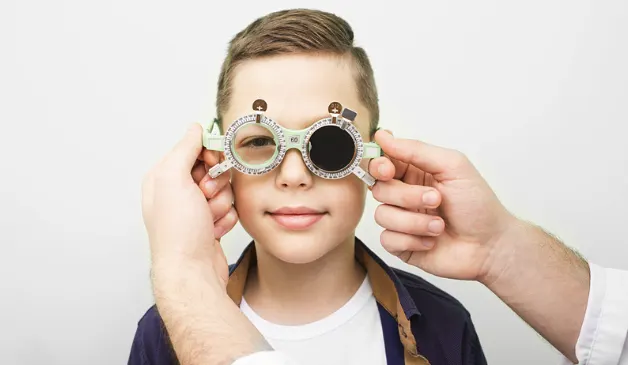
The Critical Period of Neuroplasticity
The human brain is most plastic or adaptable before the age of eight. During this window, the connections between the eye and the brain are still forming. If treatment begins early, the chances of restoring 20/20 vision are very high.
Can Adults Still Still Improve Their Vision?
Modern research challenges the long-held belief that adults cannot recover from lazy eye. While the process is more intensive, older children and adults can still see improvements.
Treatment for adults focuses on neuro-vision therapy and perceptual learning exercises. These methods aim to retrain the brain’s visual processing capabilities. While it may not always result in perfect vision, it can improve depth perception and functional sight.
Preparing for Your First Assessment
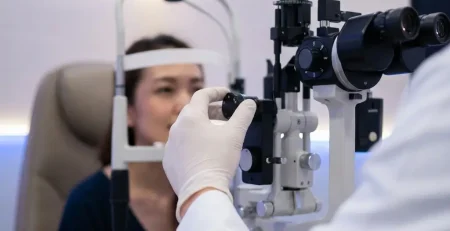
A specialist consultation with Dr Roy Tan involves more than a simple eye chart test. The assessment includes:
- Refraction testing: Determining the exact prescription for each eye.
- Binocular vision assessment: Checking how well the eyes work as a team.
- Ocular health exam: Ensuring there are no underlying structural issues like cataracts.
- Dilation: Using drops to relax the eye’s focusing muscles for an accurate measurement.
Lazy Eye Treatment Options: From Patching to Surgery
Tailored treatment plans resolve the primary vision issue and stimulate neural connections in the weaker eye.
Corrective Lenses and Medical Drops
The first step is often the simplest: providing the brain with a clear image via high-quality prescription glasses. In some cases, Dr Roy Tan may prescribe Atropine eye drops. These drops temporarily blur the stronger eye’s near vision. This method stimulates the weaker eye during near-vision activities, providing a discreet and comfortable treatment option for paediatric patients.
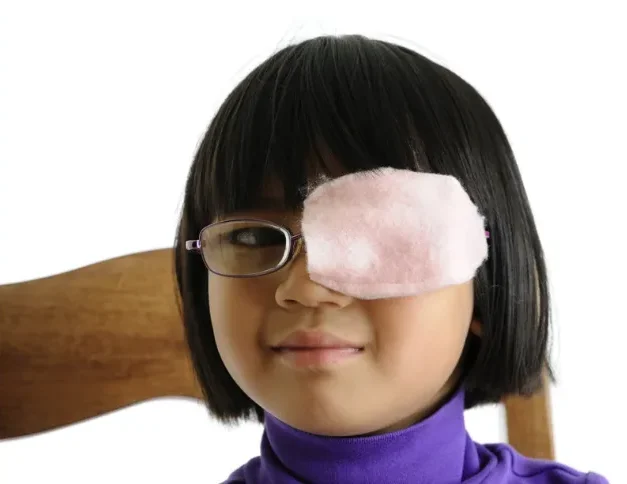
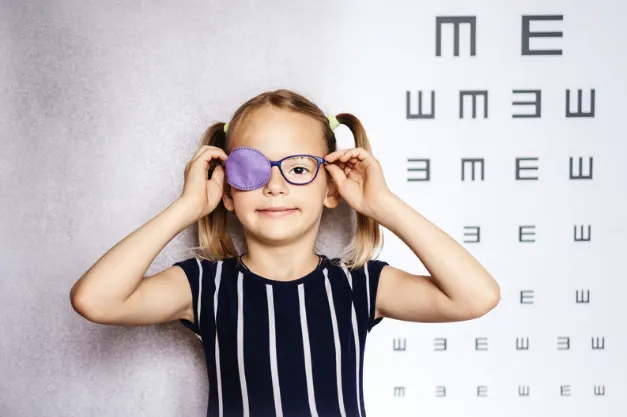
Occlusion Therapy (Patching)
Patching covers the stronger eye, prompting the brain to strengthen the weaker one. Success depends on compliance. Modern patches come in various designs to make the process less overwhelming for children
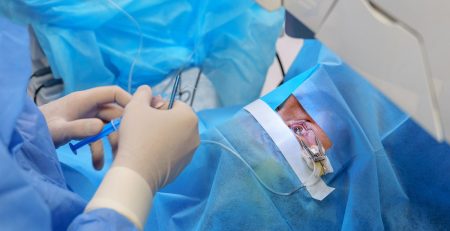
Surgery to Straighten Lazy Eyes
If the amblyopia is caused by strabismus (misaligned eyes), surgery may be recommended. Strabismus surgery involves adjusting the tension of the muscles around the eye to bring them into alignment. While surgery aligns the eyes, the patient must still undergo patching or therapy to retrain the brain’s visual processing. Surgery provides the structural foundation for the eyes to work together.
Frequently Asked Questions About Lazy Eye
Can you fix a lazy eye naturally without surgery?
Most refractive amblyopia treatments exclude surgery, focusing instead on corrective lenses or therapy. However, natural exercises found online are rarely effective without clinical supervision. A structured approach under an ophthalmologist is necessary to ensure the brain-eye connection is improving.
What contact lenses do I need for lazy eyes?
Contact lenses effectively bridge the prescription gap between the eyes for older patients. When combined with vision therapy, they provide a seamless field of view that supports faster visual rehabilitation.
Is lazy eye a disability or just a visual impairment?
In a clinical sense, it is a visual impairment. While it may not prevent someone from leading a normal life, it can restrict certain career paths that require perfect depth perception, such as becoming a pilot or a surgeon. Early treatment is the best way to ensure all career and lifestyle options remain open.
Take the Next Step
Early detection and treatment are crucial to safeguarding your vision from the irreversible damage caused by glaucoma.
Book the Comprehensive $88 Cataract & Glaucoma Screening.
Book a Cataract & Glaucoma Screening for $88
Don’t wait for symptoms to appear before taking action. Early detection is key to preserving your vision.
At Dr Roy Tan’s clinic, we offer a comprehensive Cataract & Glaucoma Screening for just $88. This screening is designed to assess your eye health thoroughly, identify any early indicators of glaucoma or cataracts, and discuss your personalised options if either condition is detected.