Meibomian Gland Disease: Causes and Management in Singapore
Waking up with a gritty, sandy sensation in your eyes or experiencing persistent dryness throughout the work day can be deeply frustrating. These symptoms often stem from meibomian gland disease, a chronic, manageable eyelid disorder rather than a temporary infection. Seeking a comprehensive eye screening helps preserve long-term ocular comfort and clarity.
What is Meibomian Gland Disease in Singapore?
This clinical category involves structural or inflammatory alterations to the specialised oil glands in the eyelids, leading to tear film instability and chronic dry eye symptoms.
The condition relates directly to the micro-environment of the eyelid margins. When functional, these specialised glands yield a crucial lipid layer that stabilises the tear film, preventing moisture from evaporating too rapidly. Structural or inflammatory shifts cause lipid layer deficiency, producing evaporative dry eye or posterior blepharitis. Over time, patients often observe visible diagnostic signs like crusting, redness, or scales forming along the lash roots.
Understanding Meibomian Gland Disease vs Dysfunction (MGD)
While the terms sound nearly identical, the umbrella disease category covers the entire spectrum of disorders impacting the tiny oil glands along the upper and lower eyelid margins, including congenital defects, infection, inflammation, or neoplasia.
On the other hand, meibomian gland dysfunction, commonly abbreviated as MGD, represents the most frequent specific clinical manifestation. It is characterised by terminal duct blockages and altered glandular secretions, meaning the oil becomes thick and cannot flow freely to protect the ocular surface.
How Evaporative Dry Eye and Blepharitis Impact Your Eye Health
The oil glands in eyelids normally secrete a clear, healthy oil layer known as meibum, which is vital for maintaining tear film stability. When posterior blepharitis or MGD occurs, the oil becomes thick, stagnant, or crusty.
This direct deficiency in the lipid layer triggers evaporative dry eye syndrome. Without this protective barrier, tears evaporate almost immediately upon blinking, causing constant exposure of the ocular surface, which can culminate in microscopic damage and chronic irritation.
What Do Blocked Meibomian Glands Look Like and Symptoms
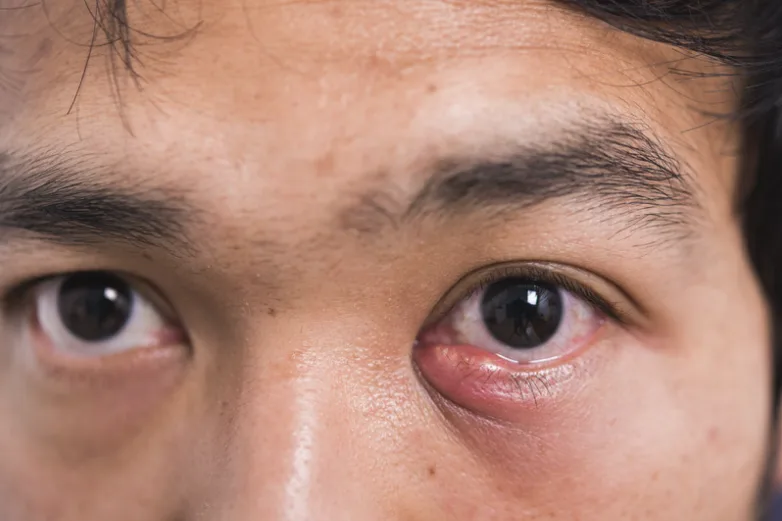
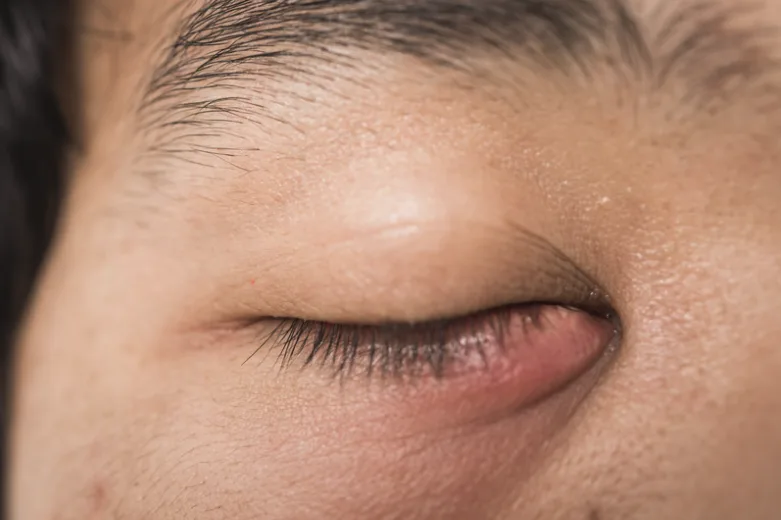
Recognising the visual and physical indicators of gland blockages helps patients identify when to seek professional care. Many individuals wonder what blocked meibomian glands look like or how to tell if your eye glands are blocked. Active monitoring is essential, and targeted eyelid care can help manage long-term complications. The key symptoms breakdown includes the following indicators:
- Red, swollen, or thickened eyelid margins.
- A gritty, sandy, stinging, or burning sensation in the eyes.
- Fluctuating or blurred vision that momentarily improves after blinking.
- The formation of frequent styes or hardened oil sacs called chalazions.
- Increased contact lens discomfort.
What Causes Meibomian Gland Disease in Singapore?
Understanding the underlying reasons for gland blockages helps in identifying appropriate management strategies. The primary causes can be categorised into actionable subsets: environmental behaviours, underlying systemic or autoimmune factors, and physiological changes driven by age or prescription medications. Each element alters the consistency of meibum from thin oil to thick, paste-like obstructions.
Common Environmental Triggers and the “20-Minute Rule” for Screen Time
Spending hours on digital devices is a major trigger for eyelid gland blockages. Staring at screens causes our blink rate to plummet, and the blinks we do make are often incomplete. This lack of movement causes the natural oils in our eyelids to stagnate, thicken, and clog the glands.
To counter this, eye specialists recommend the 20-20-20 rule. Every 20 minutes, take a 20-second break to look at an object 20 feet away. This quick pause forces your eyes to blink properly, naturally pumping out trapped oils.
Medical Conditions and Autoimmune Diseases Linked to Chronic Dry Eyes
Your eye health is closely linked to the rest of your body. Clinical research indicates that chronic dry eyes frequently present alongside underlying inflammatory or skin conditions. For example, individuals diagnosed with rosacea, lupus, or Sjögren’s syndrome often experience inflammation in their eyelid glands. Systemic metabolic factors can also affect ocular comfort. High cholesterol, for instance, can alter the consistency of the body’s natural oils. This change in composition makes the oils in the eyelid glands more likely to thicken and form blockages.
How Age, Hormonal Changes, and Medications Disrupt Lid Gland Secretions
Patients often ask if MGD gets worse with age, and the clinical reality is that ageing naturally slows down gland function. Ocular parameters alter due to several physiological factors:
- Ageing: Gland function declines over time, a process driven by a natural reduction in systemic androgen hormones.
- Hormonal Shifts: Rapid drops in hormone levels alter the thickness and production rate of the oil layer.
- Medications: Specific pharmaceutical triggers can disrupt secretions, including systemic isotretinoin used for acne treatments, antihistamines, and the prolonged use of preservative-heavy topical eye drops.
Who Are At Risk of Meibomian Gland Disease in Singapore
In Singapore, certain groups of people are more likely to experience meibomian gland issues. This includes office workers spending long hours in air-conditioned rooms, individuals going through menopause, and regular contact lens wearers. While personal factors like age and lifestyle set the baseline, the everyday environments unique to Singapore can quickly dry out and break down your natural tear layer.
Why Office Workers and Air-Conditioned Environments Face High Risk
Data from local ophthalmic demographic observations, such as studies from the Singapore National Eye Centre and the Singapore Malay Eye Study, show that approximately 56% of the local population deals with some form of MGD. This condition accounts for up to 80% of dry eye cases across Asia. Spending extended hours in dry, climate-controlled, air-conditioned offices compounds tear evaporation, placing immense strain on the natural lipid layer and worsening underlying blockages.
Demographic Factors: Ageing and Gender Influences on Tear Film Stability
Demographic patterns show distinct vulnerabilities within the population. Post-menopausal individuals face a higher incidence of dry eye symptoms due to rapid hormonal shifts that regulate lipid secretion. Similarly, the elderly population displays a higher prevalence of structural gland drop-out or atrophy, where the physical tissue of the oil glands slowly diminishes over the years.
Contact Lens Wearers and Individuals with Existing Eyelid Inflammation
Wearing contact lenses can change the healthy environment around the edges of your eyelids. The lenses can sometimes trap bacteria or create friction right over the openings of your oil glands. This physical irritation becomes even worse if you already have blepharitis, which is a common inflammation of the eyelids. When these issues combine, they create a cycle of irritation that prevents your natural tears from working properly to keep your eyes moist.
Risks and Limitations of Meibomian Gland Disease
Left untreated, eyelid gland issues can gradually worsen, causing permanent gland loss and severe surface irritation. Because this is a chronic condition rather than a temporary infection, there is no permanent cure. However, a structured treatment plan is highly effective at keeping your eyes healthy, comfortable, and protected for the future.

What Happens if MGD is Left Untreated
Patients often wonder how quickly meibomian gland dysfunction (MGD) advances. Because it is a progressive condition, leaving it unmanaged allows chronic blockages to move through distinct phases, eventually leading to advanced Stage 4 or end-stage dry eye.
The progression typically unfolds across four key stages:
- Stage 1 (Early): Mild gland blockages begin to form, though you may not notice any obvious symptoms or discomfort yet.
- Stage 2 (Mild to Moderate): Mild eye irritation or dryness sets in as the quality of your natural protective oils begins to decrease.
- Stage 3 (Severe): Significant blockages lead to constant eye discomfort, redness, and noticeable changes to the edges of your eyelids.
- Stage 4 (End-Stage): The oil glands experience permanent tissue loss or drop-out. This advanced stage is characterised by constant eye pain, severe surface irritation, and a much higher risk of corneal scarring or infection.
A Note on Management: While the speed of progression varies based on your daily environment and lifestyle habits, early and consistent care is highly effective at stopping the condition from reaching these advanced stages.
Managing Daily Comfort: Can You Live a Normal Life with Chronic MGD?
The reassuring answer is yes. While the condition requires ongoing attention, it can be managed effectively so that it does not disrupt your daily routine. Maintaining long-term comfort simply involves a dual approach, combining a consistent at-home hygiene routine with regular check-ups by an eye care professional.
Gland Atrophy and the Structural Limits of Reversing Tissue Loss
There is a strict limit to what medical treatments can do. Once your eyelid glands experience complete loss or tissue death, they cannot grow back. However, modern treatments are effective at unblocking and protecting your remaining healthy glands. Because lost tissue cannot be regenerated, catching changes early through professional screenings is the best way to protect your long-term eye comfort.
Cost for Meibomian Gland Disease in Singapore
The cost of managing meibomian gland disease includes fees for specialist diagnostic screenings, targeted in-clinic procedures, and long-term maintenance prescriptions.
1. Specialist Screenings and Consultations
Initial evaluations involve comprehensive diagnostics to map your care plan.
- Estimated Cost: $150 – $350 per visit (depending on the complexity of the assessment and the specific diagnostic tests required).
- What is covered: Consultations typically include vision checks, slit-lamp lid examinations, tear break-up time tracking, and corneal staining to grade disease severity.
2. In-Clinic Medical Procedures
Costs for clinical treatments depend on the severity of your condition and the specific tier of intervention required to clear duct obstructions.
- Estimated Cost: $200 – $600+ per session (depending on whether the treatment is unilateral or bilateral and the technology used).
- What is covered: Procedures such as automated micro-blepharoexfoliation (to cleanse the lid margins) or professional manual meibomian gland expression. Some advanced thermal pulsation therapies may sit at the higher end of this range.
3. Long-Term Maintenance and Prescriptions
Because this is a chronic condition, your budget should account for recurring supportive care to maintain results between clinical visits.
- Estimated Cost: $50 – $150 per month.
- What is covered: Ongoing supplies of preservative-free lubricating drops, specialised eyelid cleansers (such as hypochlorous acid or tea tree oil wipes), and prescription-grade topical or oral anti-inflammatories to manage active flare-ups.
Note: These figures are estimates based on standard private ophthalmic care in Singapore as of 2026. Fees may vary based on the clinic’s specific technology and the individual requirements of your care plan. Always confirm costs with your clinic prior to starting treatment.
Frequently Asked Questions
Can dry eyes be permanently treated?
When exploring if MGD is curable or not, or if dry eye disease can go away, it is essential to look at the clinical facts. Can dry eyes be permanently cured? MGD is a chronic, long-term condition. It does not simply go away permanently on its own and cannot be permanently cured in the traditional sense. However, its symptoms can be highly effectively controlled, managed, and mitigated through consistent care.
How do I safely unclog meibomian glands at home?
Patients frequently look for solutions on how to unblock the meibomian gland, how to do an eye massage, or how to get rid of hardened oil sacs at eyes. When trying to determine how do I unclog meibomian glands, it is essential to know if it is safe to squeeze meibomian glands. The safe at-home sequence includes:
- Warm Compress: Apply a clean, warm compress or specialised eye mask for 5 to 10 minutes to melt hardened oils.
- Gentle Lid Massage: Use light, sweeping fingertip motions toward the lash line to encourage oil expression.
- Eyelid Cleansing: Wipe away debris using dedicated pre-moistened wipes.
- Crucial Warning: It is highly unsafe to aggressively squeeze meibomian glands or attempt to pop oil sacs at home, as this can cause permanent mechanical damage to the delicate gland architecture, worsen inflammation, or introduce severe infection.
What is the recommended clinical treatment focus for dry eyes?
Clinical care for dry eyes treats persistent meibomian gland blockages by targeting the root cause of the obstruction. A highly effective approach pairs an in-clinic procedure using a medical-grade micro-sponge to scrub away bacterial biofilm and debris along the eyelid margins with professional manual meibomian gland expression performed by an eye care professional to clear deep oil duct obstructions.
Ready to take the next step?
If you are experiencing symptoms that affect your quality of life, a comprehensive eye examination is a key step toward finding relief. Schedule a consultation with Dr Roy Tan at Cornerstone Eye Centre (Novena or Mount Alvernia) to discuss your options and build a customised plan for your long-term comfort.
Take the Next Step
Early detection and treatment are crucial to safeguarding your vision from the irreversible damage.
Book the Comprehensive $88 Cataract & Glaucoma Screening.
Book a Cataract & Glaucoma Screening for $88
Don’t wait for symptoms to appear before taking action. Early detection is key to preserving your vision.
At Dr Roy Tan’s clinic, we offer a comprehensive Cataract & Glaucoma Screening for just $88. This screening is designed to assess your eye health thoroughly, identify any early indicators of glaucoma or cataracts, and discuss your personalised options if either condition is detected.