
Swollen Eye from Stye: Causes, Relief & When to See a Specialist
Key Takeaways
- Stye vs Chalazion: A stye is an acute, often painful infection of a lash follicle; a chalazion is a painless, firm lump caused by a blocked gland.
- Warm Compresses: Applying consistent heat for 5–10 minutes, 3–4 times a day, is a reliable approach to help unblock glands.
- Do Not Squeeze: Never pop a stye, as this can spread infection deeper into the eyelid tissue (cellulitis).
- Seek Help: Consult a specialist if there is no improvement after 48 hours or if vision changes occur.
Introduction
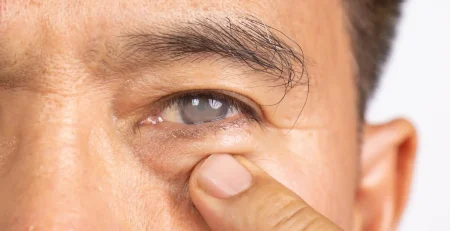
That tender, red bump on your eyelid can be both painful and worrying. If you’re searching for answers about a swollen eye from a stye, this guide walks you through safe, effective home care and when it is necessary to see a specialist like Dr Roy Tan at Asian Healthcare Specialists (AHS) in Singapore.
We understand how uncomfortable this can be. Our goal is to provide you with clear, compassionate guidance to help you find relief and protect your eye health.
Experiencing a painful, swollen eyelid? Don’t wait in discomfort.
Book a Consultation with Dr Roy TanWhat to Do Right Now for a Swollen Eye from a Stye
If you need immediate guidance, here is a quick, evidence-based summary:
- Apply a Warm Compress: Use a clean cloth soaked in warm water (not hot) for 5-10 minutes, 3-4 times a day.
- Practice Gentle Lid Hygiene: Clean the eyelid margin with a diluted baby shampoo solution or recommended eyelid wipes.
- Avoid Squeezing: Never pop the stye to avoid spreading the infection.
- Pause Contact Lenses & Make-up: Stop use until the stye has fully healed to prevent further irritation.
- Seek Care If: Pain worsens, swelling spreads, or you develop a fever.
What Is a Stye?
A stye, known medically as a hordeolum, is a common, localised infection of an oil gland or hair follicle on your eyelid. It is usually caused by bacteria that naturally live on the skin.
Stye vs Chalazion Comparison
| Feature | Stye (Hordeolum) | Chalazion |
|---|---|---|
| Sensation | Tender, painful, and red | Typically painless and firmer |
| Onset | Develops quickly | Develops slowly |
| Appearance | Often has a pinpoint of pus | A lump from a blocked gland |
Recognising the Symptoms
Look for these common signs of a stye:
- A localised, red, and tender lump on the eyelid
- Swelling of the entire eyelid and tenderness
- Crusting along the eyelid margins or a “gritty” feeling
- Watering of the eye and sensitivity to light
While most eyelid lumps are styes, conditions like blepharitis or cellulitis can cause similar symptoms, making professional diagnosis important.
Safe and Effective Home Care
For most small styes, careful home management is sufficient:
- Warm Compresses: Moist heat is a reliable way to encourage drainage. It helps liquefy trapped oily material.
- Soak a clean flannel in warm water (comfortable, not scalding).
- Hold gently against the closed eyelid for 5 to 10 minutes.
- Repeat 3 to 4 times a day.
- Eyelid Hygiene: After warming, gently wipe the base of your lashes with a mild, diluted baby shampoo solution or eyelid cleansing wipes.
When to See a Doctor: Red Flags
It is time to make an appointment if:
- The stye isn’t improving after 48–72 hours.
- Redness and swelling spread to other parts of the face.
- Vision becomes affected (blurriness) or you develop a fever.
- The stye keeps recurring in the same spot.
Your Consultation with Dr Roy Tan at AHS
When you visit Dr Roy Tan, an experienced oculoplastic ophthalmologist, you can expect a thorough assessment:
- Detailed History: Discussion of symptoms and general health.
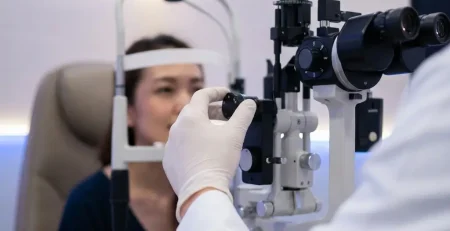
- Slit Lamp Examination: A magnified view of the eyelid to determine the nature of the lump.
- Personalised Plan: Discussion of medical management or minor clinic procedures if needed.
Professional Treatment Options
If home care is not enough, we offer several safe treatments:
- Medical Management: Antibiotic ointments or eye drops for bacterial infection.
- Incision and Curettage: A quick minor procedure under local anaesthesia to drain a persistent chalazion.
- Steroid Injection: Used in specific cases to reduce inflammation.
Frequently Asked Questions
How long does a stye usually last?
With proper warm compress treatment, most drain within 3 to 5 days, with swelling improving significantly within a week.
Can I pop a stye myself?
No. Popping a stye can push the infection deeper, potentially causing dangerous orbital cellulitis.
Does Medisave cover chalazion removal?
For symptomatic or functional problems, the minor surgical procedure may be Medisave-claimable. This is assessed on a case-by-case basis during your consultation.
Ready for Clear, Comfortable Eyes?
If you’re concerned about a stye or it’s not improving, let us provide the careful and accountable care you deserve.
Contact Us Today