Is Ptosis Surgery Right for You? Causes, Risks, and Costs in Singapore
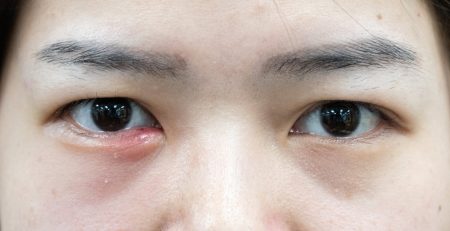
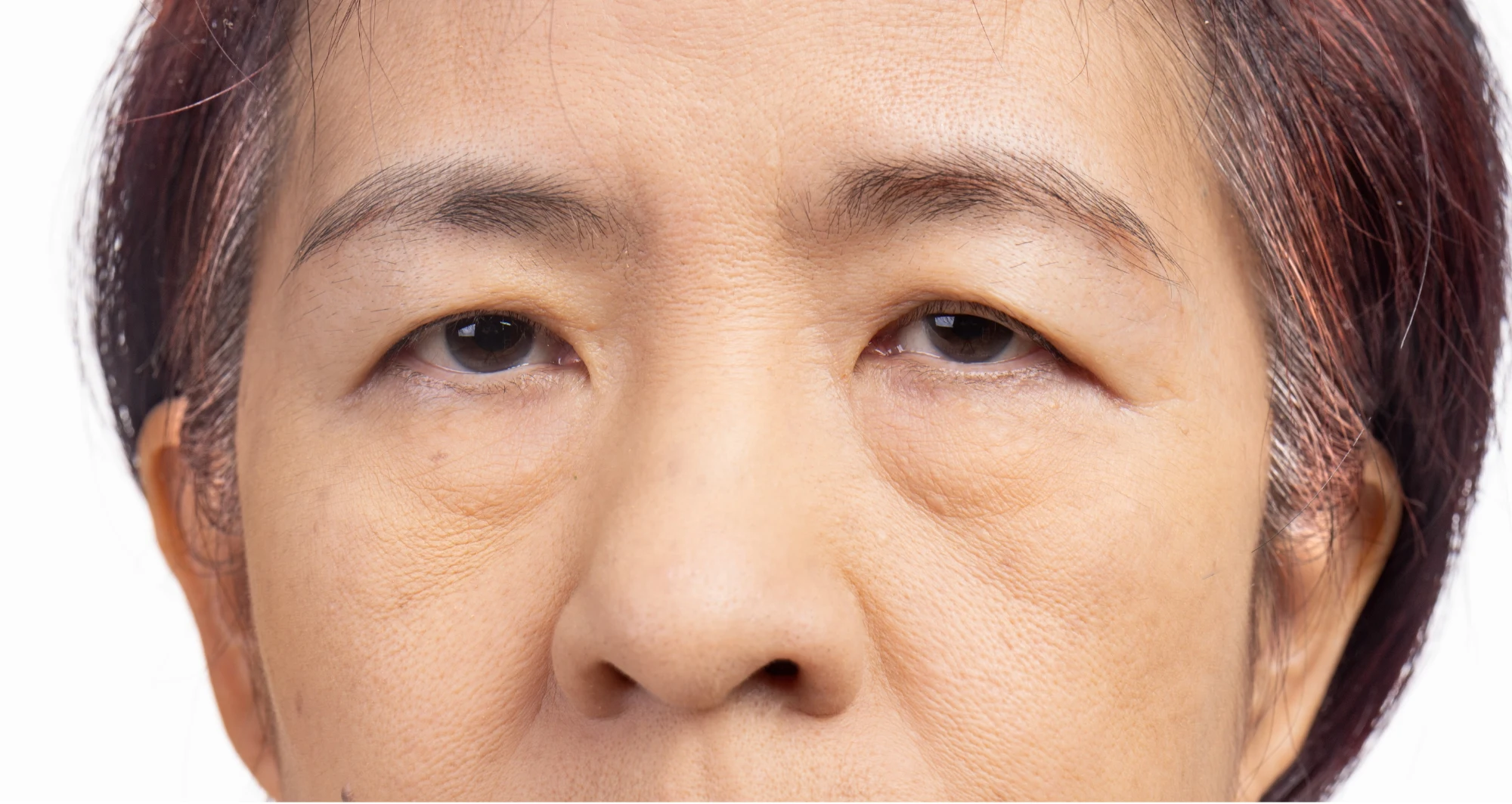
If you look in the mirror and see one eye appearing smaller than the other, you may notice that this condition leads to straining your forehead to see. This condition, commonly known as drooping eyelids or ptosis, can affect everyone from toddlers to retirees.
This article explains if ptosis surgery falls under aesthetic needs, or if it is done for medical reasons . While many undergo ptosis surgery to look more refresh, it is often a medical fix for a blocked vision. In Singapore, knowing the difference is key, as it helps you understand when you can use insurance or Medisave to pay for the procedure.
What Causes Ptosis? (Congenital & Acquired)

Eyelid drooping can be present from birth or develop gradually over the years due to lifestyle factors and natural anatomy changes. In kids, it’s often a muscle that didn’t develop properly from birth (Congenital Ptosis), which is a race against time to prevent lazy eye. In adults, it’s usually a slow stretch of the eyelid tendon. Regardless of age, the result is the same: an uneven, sleepy look that can eventually cut off your peripheral vision.
Age-Related Ptosis Caused by a Stretched-out Tendon
This is the most frequent cause seen in Singapore. Over time, the tendon that connects the levator muscle to the eyelid stretches out. It is much like an elastic band losing its snap, causing the eyelid to sit lower than it once did.
Myogenic and Neurogenic Factors
Some cases are linked to muscle diseases or nerve related issues, for example Myasthenia Gravis. If the nerves that signal the eyelid to lift are damaged by a medical condition or a neurological event, the lid will fail to rise properly.
Trauma and Long-term Contact Lens Wear
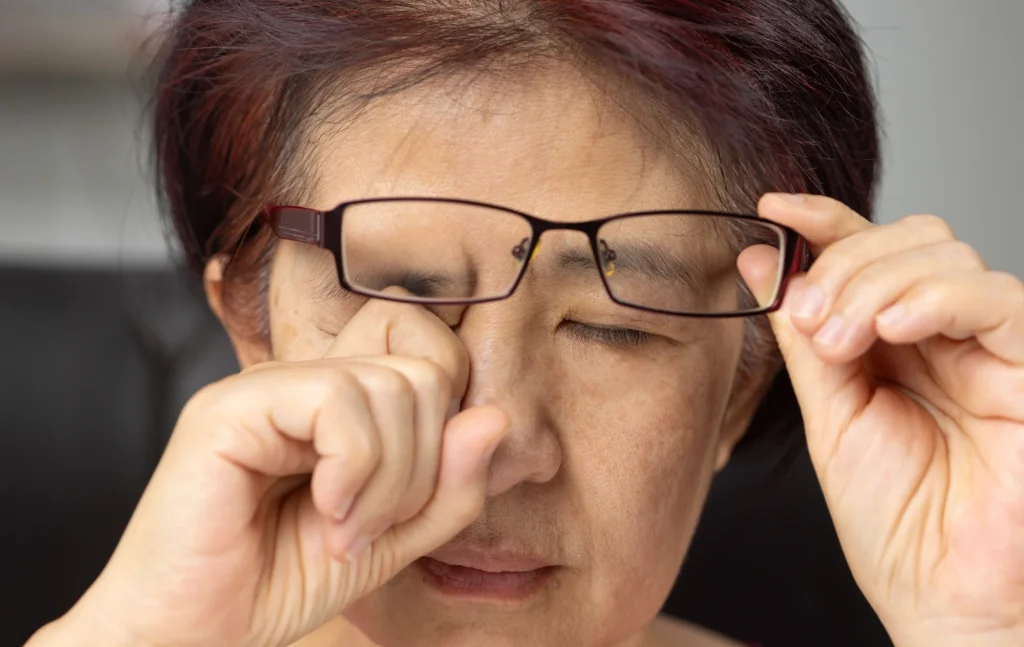
Physical injury to the eye can damage the levator complex. Interestingly, long-term wear of hard contact lenses or frequent, vigorous eye rubbing can also contribute. The repetitive mechanical stress can cause the thin eyelid tissues to stretch or pull away from their attachment points.
Identifying Symptoms in Adults and Children
In children, it is vital to spot ptosis early to prevent lazy eye (amblyopia). In adults, the signs are often more subtle:
- An uneven appearance between the two eyes.
- Difficulty keeping eyes open toward the end of the day.
- A persistent heavy feeling in the upper lids.
- Tipping the chin upward to see beneath the drooping lids.
When is Ptosis Surgery Required?
Ptosis surgery isn’t always a requirement, but it becomes essential when the eyelid’s position interferes with your quality of life or visual health. Here is how to determine when it’s time to move from watching it to fixing it.
Understanding the Levator Muscle and Eyelid Function
The levator muscle functions like a window blind cord to lift your eyelid. If this muscle stretches or detaches, the eyelid droops. Ptosis surgery corrects this by shortening the muscle or reattaching it to the eyelid’s support structure (tarsal plate) to restore proper lift.
Aesthetic Choice vs. Medical Necessity
In Singapore, the primary question for patients is whether the surgery is for aesthetics or medical reasons.
- Aesthetic: The majority of ptosis cases fall here. If the droop is mild and your vision is clear, surgery is a cosmetic choice to restore symmetry or a more rejuvenated look.
- Medical: Surgery becomes a medical necessity only when the eyelid physically obstructs the pupil, blocking your superior (upper) field of vision.
What are the Options for Ptosis Surgery?
If surgery is required, the approach depends on the strength of your existing muscles and the severity of the droop. Surgeons typically choose between three primary techniques:
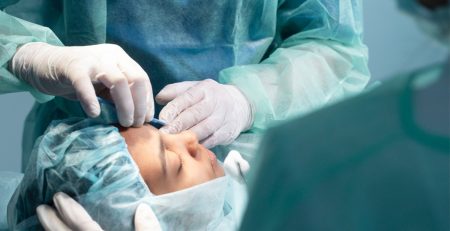
1. Levator Advancement (External Approach) – The most common method. An incision is made in the eyelid crease to tighten the muscle.
2. Müller’s Muscle Resection (Internal Approach) – Often used for milder cases; the surgery is done from under the lid, leaving no visible scar.
3. Frontalis Sling Operation – Reserved for severe cases (often in children) where the eyelid muscle has almost no function, using the forehead muscles to help lift the lid.
Who is at Risk of Developing Ptosis?
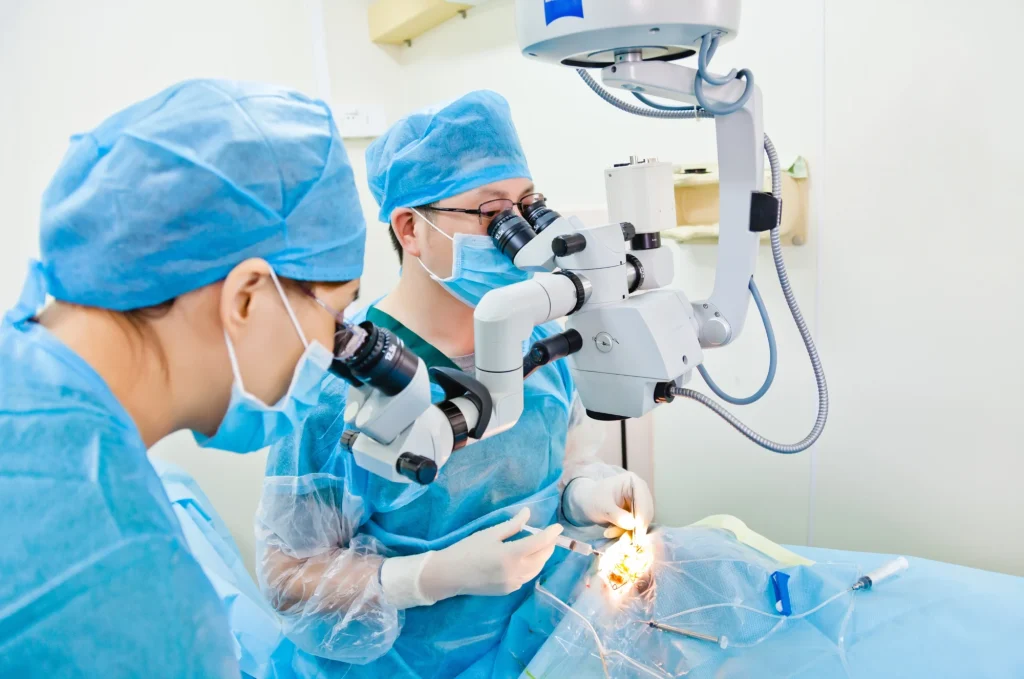
Ptosis does not discriminate by age, although certain groups are more prone to the condition due to surgical history or lifestyle habits.
Post-Ocular Surgery Risks (Cataracts and ICL)
Post-operative ptosis is an often overlooked complication of routine cataract or ICL (Implantable Collamer Lens) surgery. This drooping occurs when the lid speculum, the tool used to hold the eye open during the procedure, inadvertently stretches the levator tendon in certain patients.
When to Seek a Specialist Consultation
You should seek a consultation if your drooping eyelid interferes with daily tasks like reading or driving. A specialist like Dr Roy Tan will perform a formal visual field test. This diagnostic tool maps out exactly how much of your vision is being blocked, which is a critical step for both diagnosis and insurance claims.
How Do We Test if Ptosis Surgery is Medically Required?
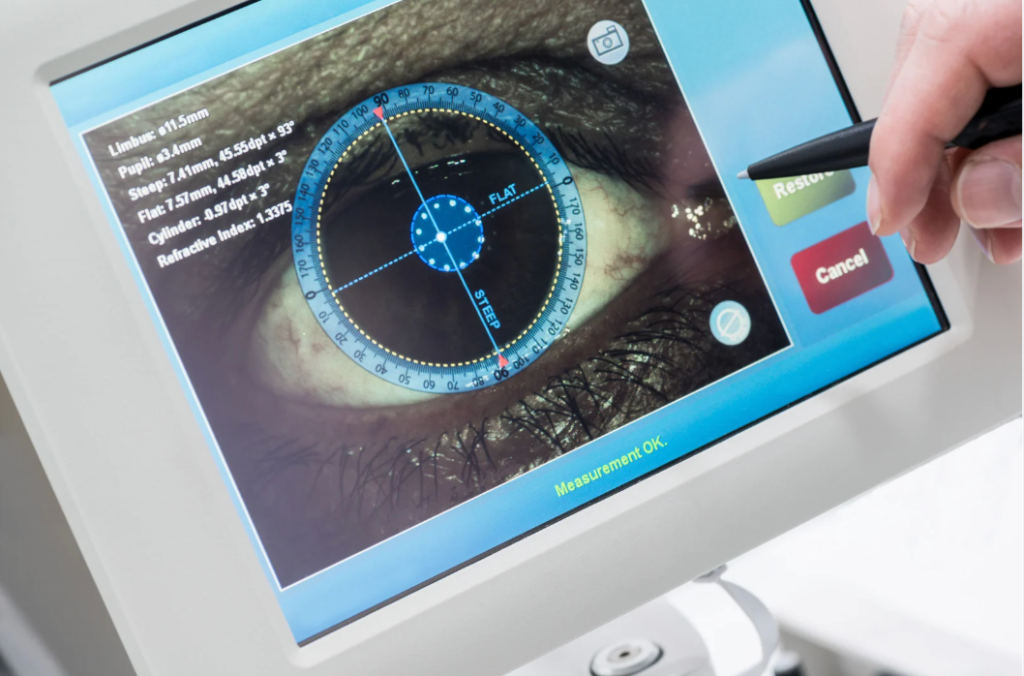
Determining medical eligibility isn’t based on a simple visual check. To see if you qualify for Medisave or insurance coverage, Dr. Roy Tan performs a series of clinical diagnostics to measure your visual impairment:
- Marginal Reflex Distance (MRD1): It measure the exact distance (in millimeters) between your pupil and the edge of your eyelid.
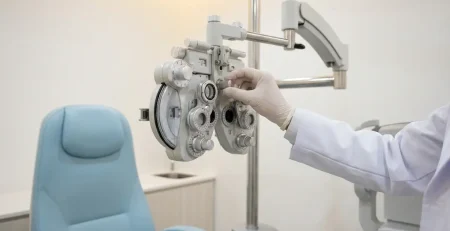
- Formal Visual Field Test: This is the primary requirement for insurance. You’ll sit at a machine that maps your peripheral vision. If the test shows your eyelid is cropping the top of your vision, it supports a medical claim.
How Much Does Ptosis Surgery Cost in Singapore?
The investment for ptosis repair in Singapore varies based on the complexity of the case and whether the procedure is classified as cosmetic or functional.
Factors Influencing Surgical Fees
Costs are generally influenced by the surgical technique used, the type of anaesthesia (local vs. sedation), and the facility fees associated with the clinic or day surgery centre. A more complex revision surgery may also involve higher costs than a primary procedure.
Medisave Claims and Insurance Coverage
In Singapore, ptosis surgery is Medisave-claimable if it meets specific Ministry of Health (MOH) criteria.
- The droop must be severe enough to obstruct the visual field.
- A certified ophthalmologist must document this via a visual field test and photographs. If these clinical requirements are met, insurance providers often cover the procedure as it is deemed a medical necessity rather than a cosmetic choice.
Frequently Asked Questions about Ptosis Surgery
Should I see a plastic surgeon or an ophthalmologist for ptosis?
While both can perform eyelid surgery, ptosis is primarily a muscle and functional issue of the eye. An ophthalmologist (specifically one with an interest in Oculoplastics) is trained to understand the intricate relationship between the eyelid muscles and the health of the eye itself. They ensure that while the lid is lifted, the eye remains properly protected and vision is not compromised. A general plastic surgeon may focus more on the skin, whereas an eye specialist focuses on the internal lifting mechanism.
Will my double eyelid crease change after ptosis surgery?
During an external levator advancement, the surgeon can often refine or create a double eyelid crease. This is discussed during the consultation to ensure the functional lift also provides an aesthetically pleasing result.
How long do the results of ptosis surgery last?
The results are generally long-lasting. While the surgery corrects the current muscle weakness, your eyes will still continue to age naturally over the decades. Most patients enjoy the functional benefits for many years.
Take the Next Step
Early detection and treatment are crucial to safeguarding your vision from the irreversible damage caused by glaucoma.
Book the Comprehensive $88 Cataract & Glaucoma Screening.
Book a Cataract & Glaucoma Screening for $88
Don’t wait for symptoms to appear before taking action. Early detection is key to preserving your vision.
At Dr Roy Tan’s clinic, we offer a comprehensive Cataract & Glaucoma Screening for just $88. This screening is designed to assess your eye health thoroughly, identify any early indicators of glaucoma or cataracts, and discuss your personalised options if either condition is detected.