
Is ICL Surgery Right for You? Suitability, Cost & Benefits in Singapore
High myopia and thin corneas are common in Singapore, often leading to LASIK rejections. However, being unsuitable for LASIK does not mean you are unsuitable for surgery. You have options beyond standard laser procedures, ranging from permanent lens implants to surface-based treatments that preserve your corneal strength. Discover the right fit for your unique eyes.
What is an ICL (Implantable Collamer Lens)?
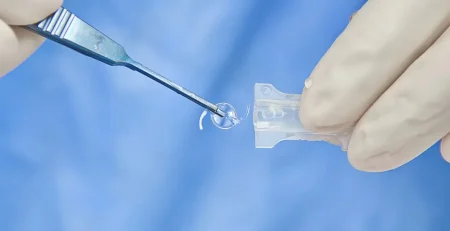
ICL is an advanced vision correction procedure where a micro-thin, flexible lens is implanted into the eye to correct myopia (nearsightedness) and astigmatism. This section explains the unique material and surgical philosophy that sets this treatment apart from laser-based alternatives.
The Science of Collamer Technology
The ICL is crafted from Collamer, a biocompatible polymer-collagen blend that integrates naturally with the eye. This material prevents the body from rejecting the lens, allowing it to remain permanently without irritation. Collamer is also structurally stable and features a built-in UV filter to protect internal eye structures from solar radiation.
Key differences: ICL vs LASIK
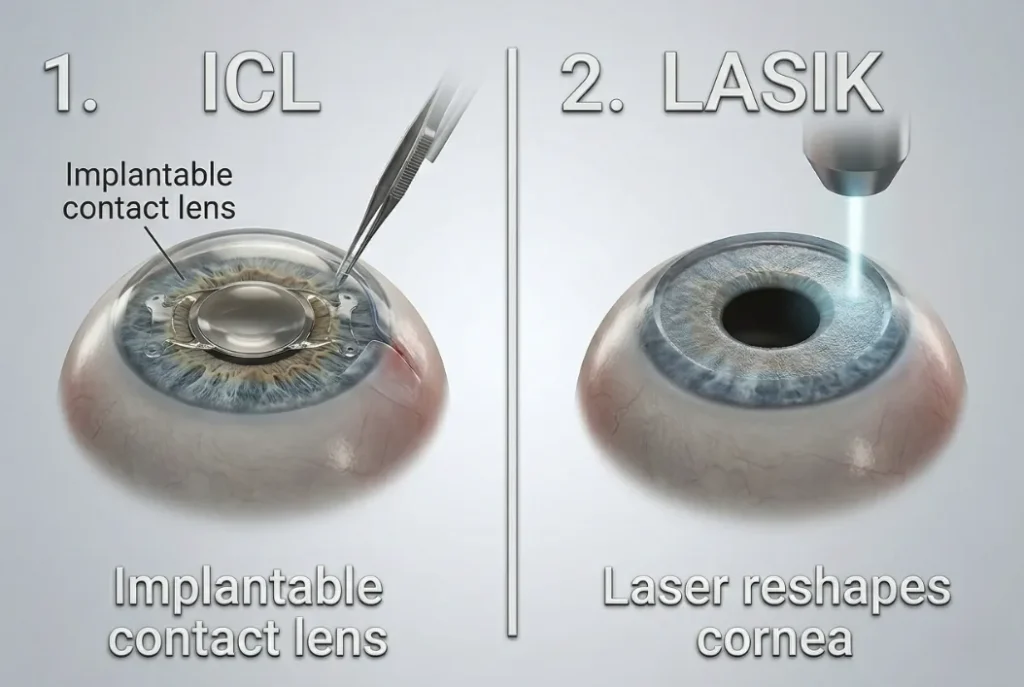
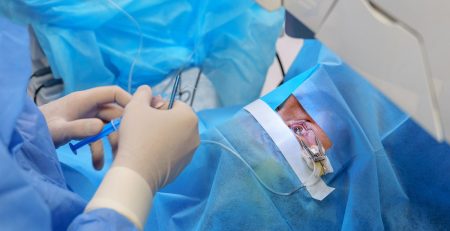
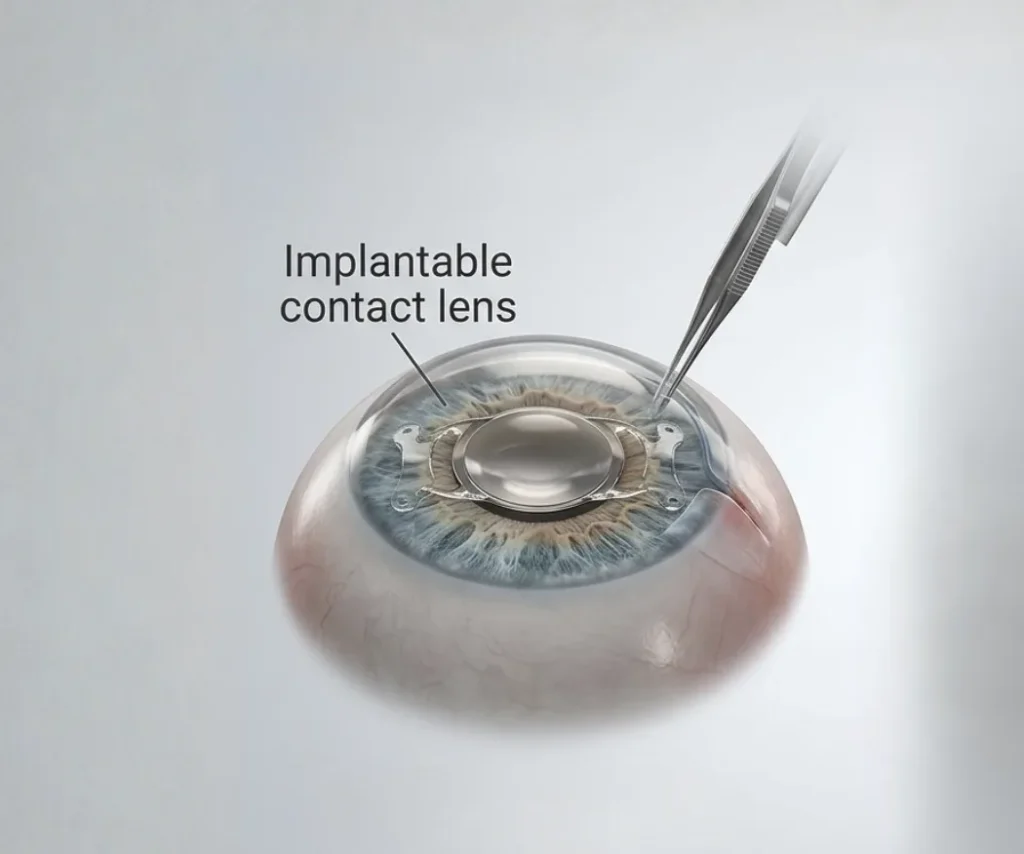
Unlike Laser-Assisted In Situ Keratomileusis (LASIK) or Photorefractive Keratectomy (PRK), which are subtractive procedures that remove corneal tissue, ICL is an additive surgery. The lens is placed through a tiny incision behind the iris and in front of the natural lens. It functions like a permanent contact lens that is invisible to others and requires no daily maintenance.
Who is a Suitable Candidate for ICL?
While many patients seek ICL because they want to achieve crisp, clear vision without the trade-offs, it is often the primary solution for those with complex prescriptions. Here we outline the clinical requirements for candidacy at our Novena clinic.
- Prescription Range: Corrects myopia up to -20.0D and astigmatism up to 6.0D.
- Corneal Health: Ideal for those with thin or irregular corneas.
- Age Profile: Typically suited for adults aged 21 to 45.
- Stability: Requires a stable eye prescription for at least 12 months.
Solutions for High Myopia and Astigmatism
Patients with severe nearsightedness exceeding -10.0D often reach the safety limits of laser surgery. ICL is specifically designed for these high prescriptions and is manufactured to your exact measurements to provide sharp vision. It is also available in a Toric version to correct astigmatism at the same time.
The Ideal Option for Thin Corneas or Chronic Dry Eye
Patients with thin corneas are often unsuitable for LASIK due to the risks of laser ablation. Since ICL does not involve thinning the cornea, it serves as a safer alternative for these individuals. Additionally, because the procedure avoids cutting the corneal nerves responsible for tear production, it is highly recommended for patients with chronic dry eye.
Stability and Age Requirements
Ideal candidates are between 21 and 45 years old, as this is when the eye’s prescription is most stable. After the mid-40s, the eye naturally loses near-focusing ability due to presbyopia, making other treatments more suitable. Dr. Roy Tan assesses ocular stability during a comprehensive screening to ensure long-term success.
Key Benefits: Why Choose ICL Over Other Options?

Choosing ICL means opting for a procedure that offers flexibility and high visual performance. This section highlights the long-term advantages that make this an attractive investment for patients in Singapore.
The Reversibility Factor
A key benefit of ICL is that it is reversible. While intended to stay in the eye permanently, it can be safely removed or replaced if your vision changes or if you develop cataracts later in life. This flexibility allows for future procedures, such as standard cataract surgery, without compromising your options.
Night Vision and UV Protection
ICL often provides clearer vision than glasses or laser surgery by reducing the risk of nighttime halos and glare. The biocompatible Collamer material also includes a built-in UV filter, protecting retinal health against Singapore’s tropical sun.
Maintenance-Free Visual Freedom
Once the healing process is complete, the ICL offers a maintenance-free experience. You cannot feel the lens, and it eliminates the need for the cleaning, solutions, or daily handling required by traditional contact lenses. It provides a permanent correction for visual dependence, allowing you to enjoy activities like swimming, sports, and travel without the hindrance of eyewear.
ICL Surgery: A Personalised Approach
If you have been told you are not a suitable candidate for LASIK, ICL could be the ideal alternative for you. At Cornerstone Eye Centre, we prioritise a personalised approach, using a minimally invasive technique that preserves your eye’s natural structure. Unlike laser procedures that permanently remove corneal tissue, ICL is an additive treatment where a custom lens is gently inserted to provide high-definition results with rapid healing.

To determine if this procedure is right for your eyes, we encourage you to schedule a consultation with Dr. Roy Tan.
ICL Consultation to Clarity
If you’re ready to move beyond glasses, you shouldn’t have to wait months for an appointment. We’ve streamlined our process so you can go from your initial assessment to surgery in as little as one week.
- Step 1: The Initial Consultation We start with a deep dive into your eye health. This isn’t just a standard check-up; we assess your “ABC” (Anterior Chamber) depth, corneal health, and internal eye structure to ensure ICL is the safest, most effective fit for you.
- Step 2: Fast-Track Scheduling Once you’re cleared as a candidate, we try to expedite and arrange your procedure within a few days of your visit.
- Step 3: A 30-Minute Transformation The procedure itself is quick, taking only about 15–30 minutes. Most patients walk out seeing a significant improvement in clarity almost immediately.
- Step 4: Back to Your Routine Recovery is remarkably fast. Most patients return to work or light daily activities the very next day, with full visual stability and freedom to resume heavy exercise or swimming within a month.
What are Risks and Limitations of ICL Surgery?
While ICL has a high satisfaction rate, it is a clinical procedure that carries specific considerations. It is most successful for patients between 21 and 45 with a stable prescription. Limitations include:
- Anatomical Suitability: There must be sufficient space in the anterior chamber of the eye to house the lens safely.
- Severe Prescriptions: For myopia over -18D or -20D, some patients may still require a small pair of glasses for activities like night driving.
- Biological Risks: As with any intraocular surgery, rare risks include infection (endophthalmitis) or a slight increase in the risk of early cataract formation if the lens makes contact with the eye’s natural lens.
Managing Potential Side Effects
In the initial weeks following the procedure, some patients may experience mild side effects as the brain and eye adapt to the new lens.
- Halos and Glare: You might see rings around lights at night. These are generally temporary and diminish as the eye heals.
- Eye Pressure Spikes: A temporary increase in intraocular pressure can occur shortly after surgery. We monitor this closely during your Day 1 follow-up and can manage it effectively with pressure-lowering drops.
- Dryness: While ICL does not cause chronic dry eye like LASIK, you may feel temporary dryness during the healing phase, which artificial tears can easily soothe.
Long-term Monitoring and Eye Health
Maintaining your visual freedom requires ongoing care. Because the ICL is a permanent but removable implant, annual check-ups at our Novena clinic are essential.
- Vault Assessment: We use advanced imaging to monitor the vault (the gap between the ICL and your natural lens) to ensure it remains stable.
- Endothelial Cell Health: We perform regular counts of the cells on the back of your cornea to ensure the lens is not affecting the eye’s long-term health.
- Pressure Checks: Routine monitoring of eye pressure is vital to prevent long-term complications like glaucoma.
How Much Does ICL Surgery Cost in Singapore?
In Singapore, ICL is considered a premium, high-end procedure due to the personalised nature of the lenses and the surgical expertise required. On average, patients can expect the cost to range from $12,000 to $15,000 for both eyes, depending on the complexity of the prescription and the technology used.
Factors Influencing Surgical Fees
Several clinical and technical factors determine the final cost of your treatment:
- Standard vs. Toric Lenses: Lenses that correct both myopia and astigmatism (Toric ICL) are more complex to manufacture and therefore cost more than standard lenses.
- Diagnostic Precision: The cost includes high-tech pre-operative screenings, such as anterior segment OCT, to ensure the perfect lens size is ordered.
- Surgeon Expertise: Fees reflect the experience of the ophthalmologist and the specialised facility where the micro-surgical procedure is performed.
- Post-Operative Care: Comprehensive packages usually include the first few follow-up visits and all necessary medicated eye drops for the first month.
Medisave Claims and Insurance Coverage
Navigating the financial aspects of healthcare in Singapore requires an understanding of MOH guidelines:
- Medisave: Under current MOH regulations, ICL surgery is classified as an elective cosmetic procedure when performed to correct refractive errors (myopia/astigmatism). Therefore, it is typically not claimable under Medisave.
- Insurance Coverage: Most private integrated shield plans and corporate insurance do not cover ICL surgery because it is elective. However, if the procedure is being performed for specific medical reasons (such as extreme anisometropia that cannot be corrected by other means), you should check with your provider for any potential exceptions.
- Payment Options: At Cornerstone Eye Centre, we offer transparent pricing and can discuss available installment plans to help make your vision correction goals more accessible.
Frequently Asked Questions About ICL
Is ICL safe?
The ICL has been used for over 20 years with a high satisfaction rate globally. While rare risks like infection or early cataract formation exist, modern surgical protocols and thorough screenings make it a reliable option for vision correction.
Does ICL cause dry eyes?
Unlike laser surgeries that can disrupt corneal nerves, ICL does not cause or worsen dry eye syndrome. This makes it an excellent choice for patients with sensitive eyes.
Is ICL surgery reversible?
Yes. One of the primary benefits is that the lens can be removed if your medical needs change in the future.
Can I feel the lens inside my eye?
No. The lens is placed in a space where there are no nerve endings. Once implanted, you will not feel the lens, and it is not visible to the naked eye.
Take the Next Step
Early detection and treatment are crucial to safeguarding your vision from the irreversible damage caused by glaucoma.
Book the Comprehensive $88 Cataract & Glaucoma Screening.
Book a Cataract & Glaucoma Screening for $88
Don’t wait for symptoms to appear before taking action. Early detection is key to preserving your vision.
At Dr Roy Tan’s clinic, we offer a comprehensive Cataract & Glaucoma Screening for just $88. This screening is designed to assess your eye health thoroughly, identify any early indicators of glaucoma or cataracts, and discuss your personalised options if either condition is detected.