Entropion Treatment Singapore: Causes & Surgery Options
Does your eye feel like there is a constant speck of dust inside it that simply will not budge? You may be experiencing entropion, a condition where the eyelid turns inward. It causes your eyelashes to scrape against the delicate surface of the eye. Finding a permanent solution in Singapore is essential for maintaining long term eye health and comfort.
What is Entropion?
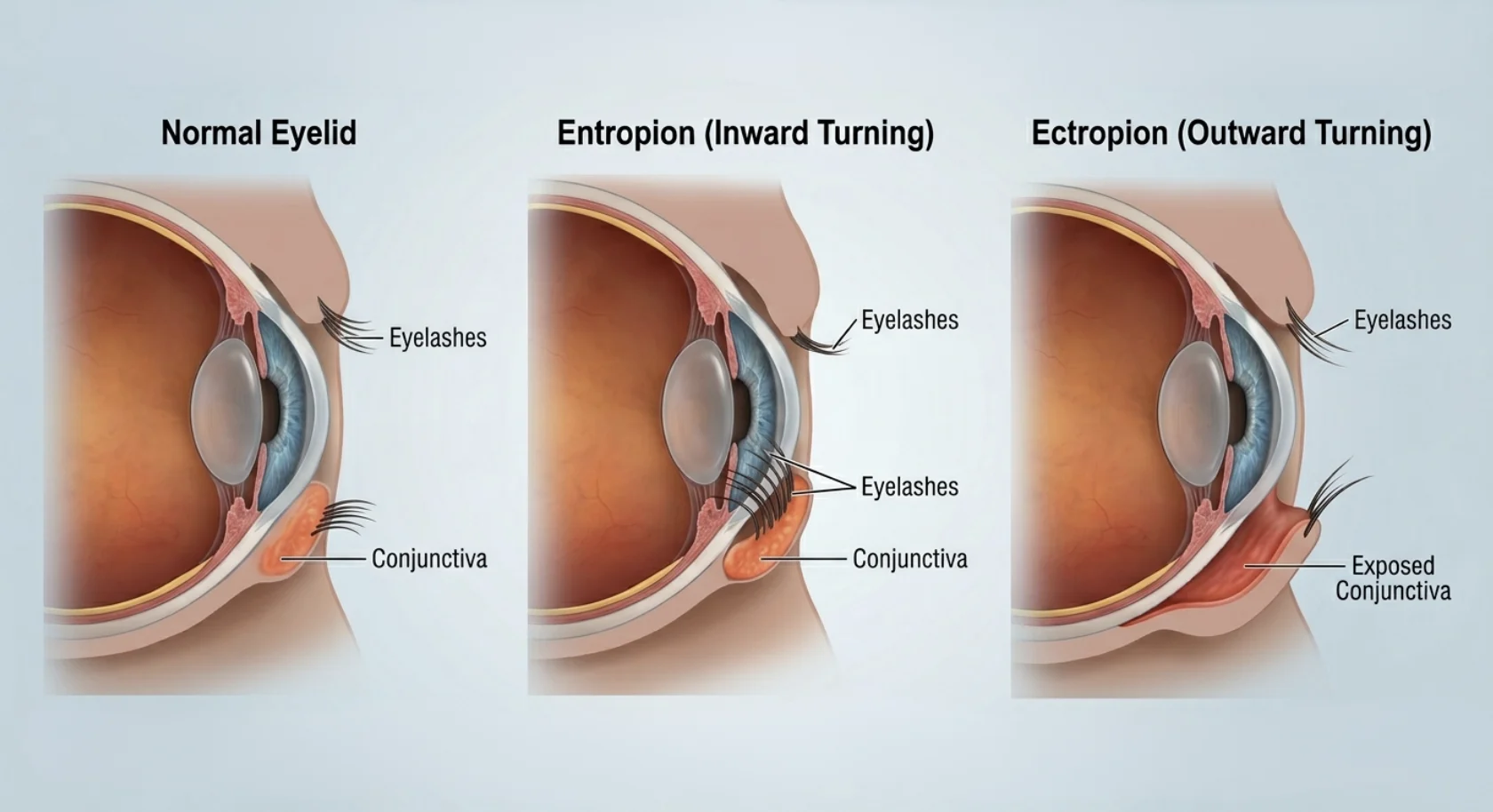
Entropion is a structural eyelid condition in which the eyelid margin folds inward. This makes the lashes and skin rub the eye (cornea) repeatedly. It affects the lower eyelid in the vast majority of cases.
Defining the Inward-Turning Eyelid
When the eyelid turns inward, the skin and lashes rub directly against the eyeball. While it can occasionally affect the upper lid, it most frequently occurs in the lower eyelid. This mechanical rubbing is not just uncomfortable; it acts like sandpaper on the cornea. Over time, the constant abrasion can lead to redness and a breakdown of the protective surface of the eye.
Entropion vs. Ectropion: Understanding the Difference
It is easy to confuse different eyelid conditions. While entropion involves inward turn, ectropion is the opposite. The distinction is straightforward but important:
| Feature | Entropion | Ectropion |
| Direction of eyelid turn | Inward (towards the eye) | Outward (away from the eye) |
| Main effect | Lashes rub the cornea | Exposed conjunctiva, poor tear drainage |
| Primary symptom | Foreign body sensation, pain | Watery or dry eye, visible red inner lid |
| Common causes | Age-related muscle laxity | Age-related issue laxity, facial nerve palsy |
What Happens if Entropion is Left Untreated?
Leaving an inward-turning eyelid unaddressed can lead to serious visual complications. The persistent scraping of lashes against the cornea can cause:
- Corneal abrasions: Superficial scratches on the corneal surface that cause acute pain and light sensitivity.
- Corneal ulcers: Open sores on the cornea that carry a risk of infection and permanent scarring.
- Corneal scarring: Permanent opacity that can blur or reduce vision irreversibly.
- Secondary infection: A compromised corneal surface is vulnerable to bacterial or viral keratitis.
Common Entropion Symptoms to Watch Out For
Identifying entropion early is key to preventing corneal damage. Symptoms usually begin with mild irritation but can lead to lasting pain and visible eye damage.
Physical Discomfort and the Foreign Body Sensation
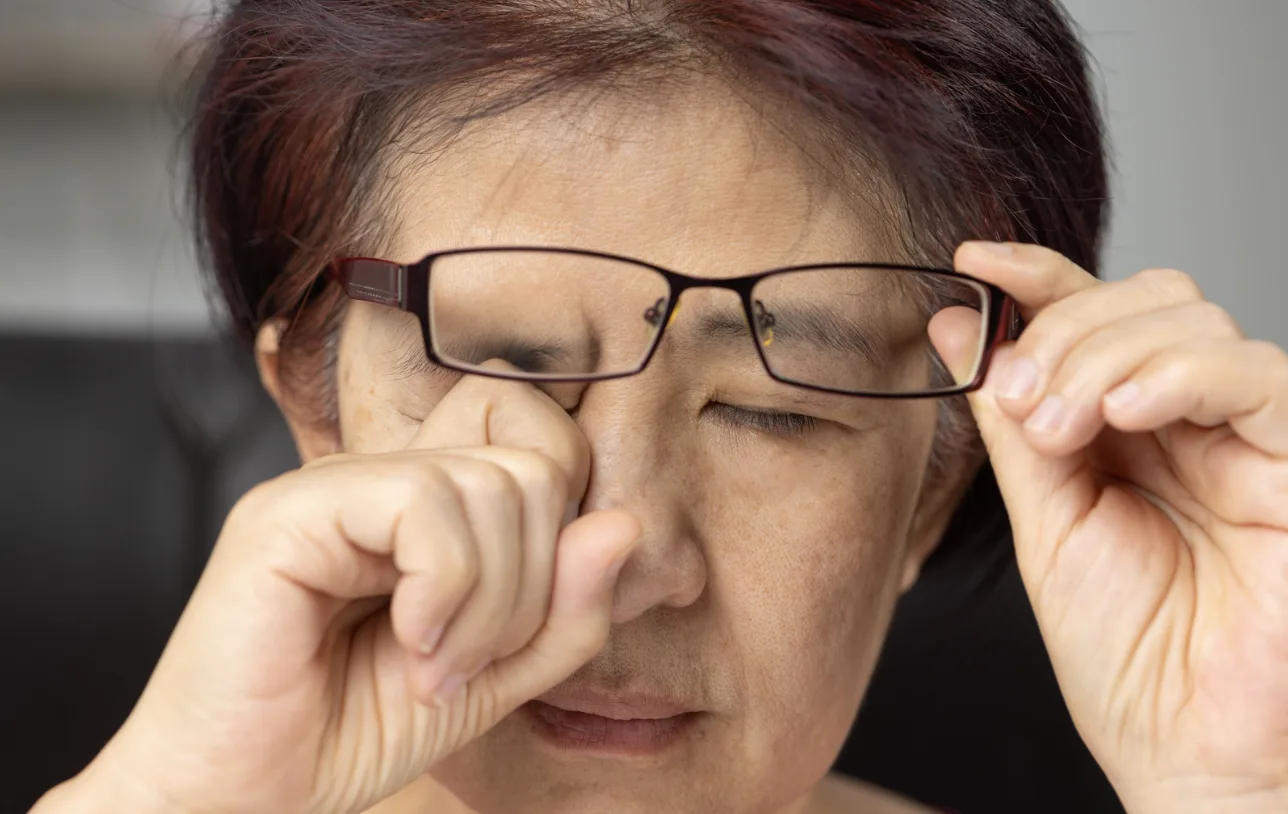
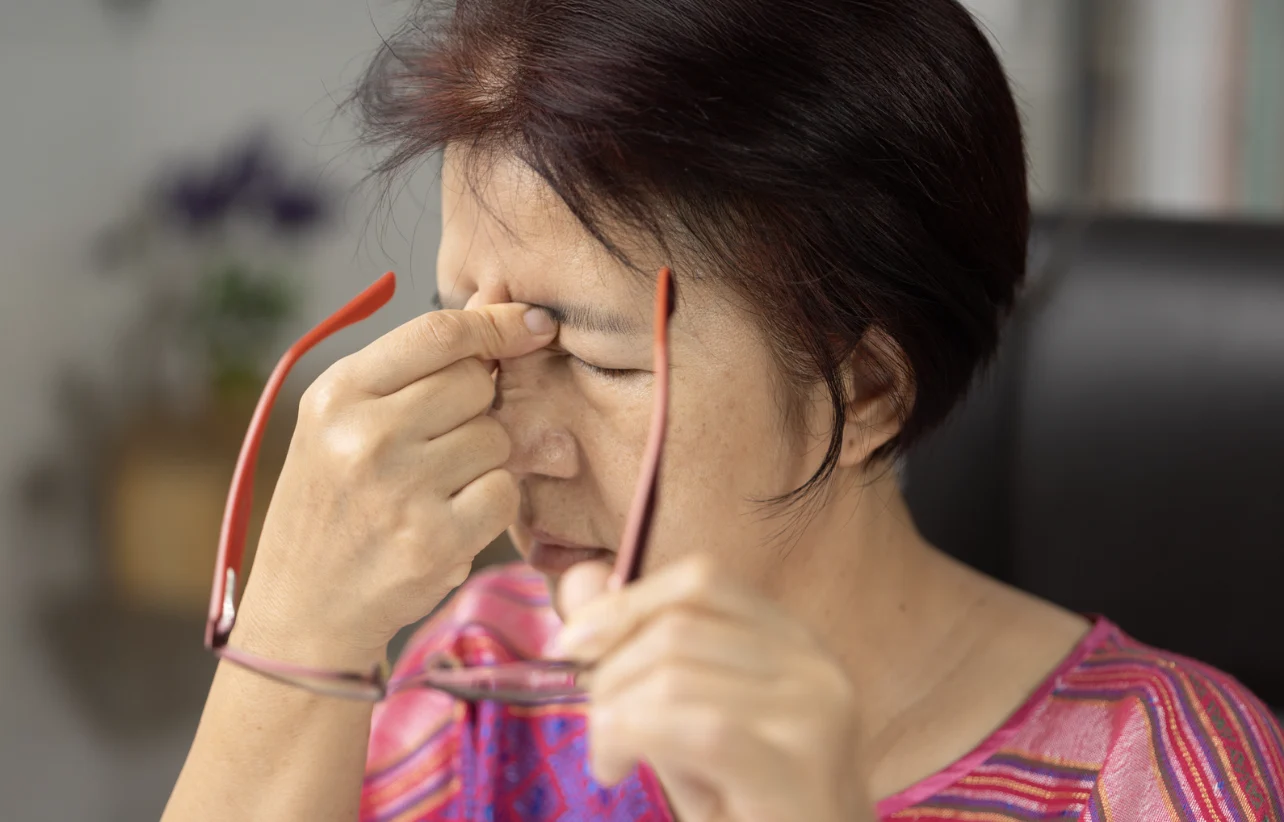
The most reported symptom is a poking feeling. Because the eyelashes are rigid, every time you blink, they strike the eye. This creates a relentless foreign body sensation. Constantly rubbing your eye may provide temporary relief, but it often worsens the condition by damaging the eye’s surface.
Visible Signs (Redness, Tearing, and Mucous Discharge)
As the eye attempts to protect itself from the constant friction, it produces excess tears. This leads to:
- Persistent watery eyes.
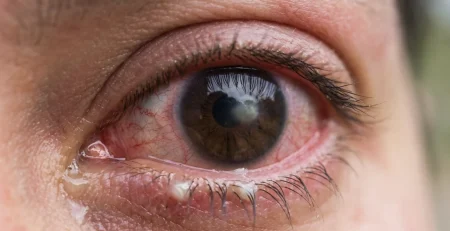
- Visible redness in the white part of the eye (conjunctiva).
- The accumulation of mucous or crusting around the eyelashes.
- A bloodshot appearance that does not improve with standard over the counter drops.
Secondary Effects on Vision (Light and Wind Sensitivity)
Beyond direct discomfort, entropion affects how you interact with your everyday environment. An inflamed or abraded cornea becomes highly sensitive to external stimuli. Patients often report:
- Increased sensitivity to bright light (photophobia), making it difficult to be outdoors or in brightly lit spaces.
- Discomfort in windy or air-conditioned environments, such as shopping centres or offices.
- Blurred vision during episodes of excessive tearing.
- Difficulty with screen use, reading, and other visually demanding tasks.
Common Causes and Risk Factors for Entropion
Entropion develops for several distinct reasons. Identifying the underlying cause guides the choice of treatment and helps predict the likelihood of recurrence.
Ageing and Muscle Weakness (Involutional Entropion)
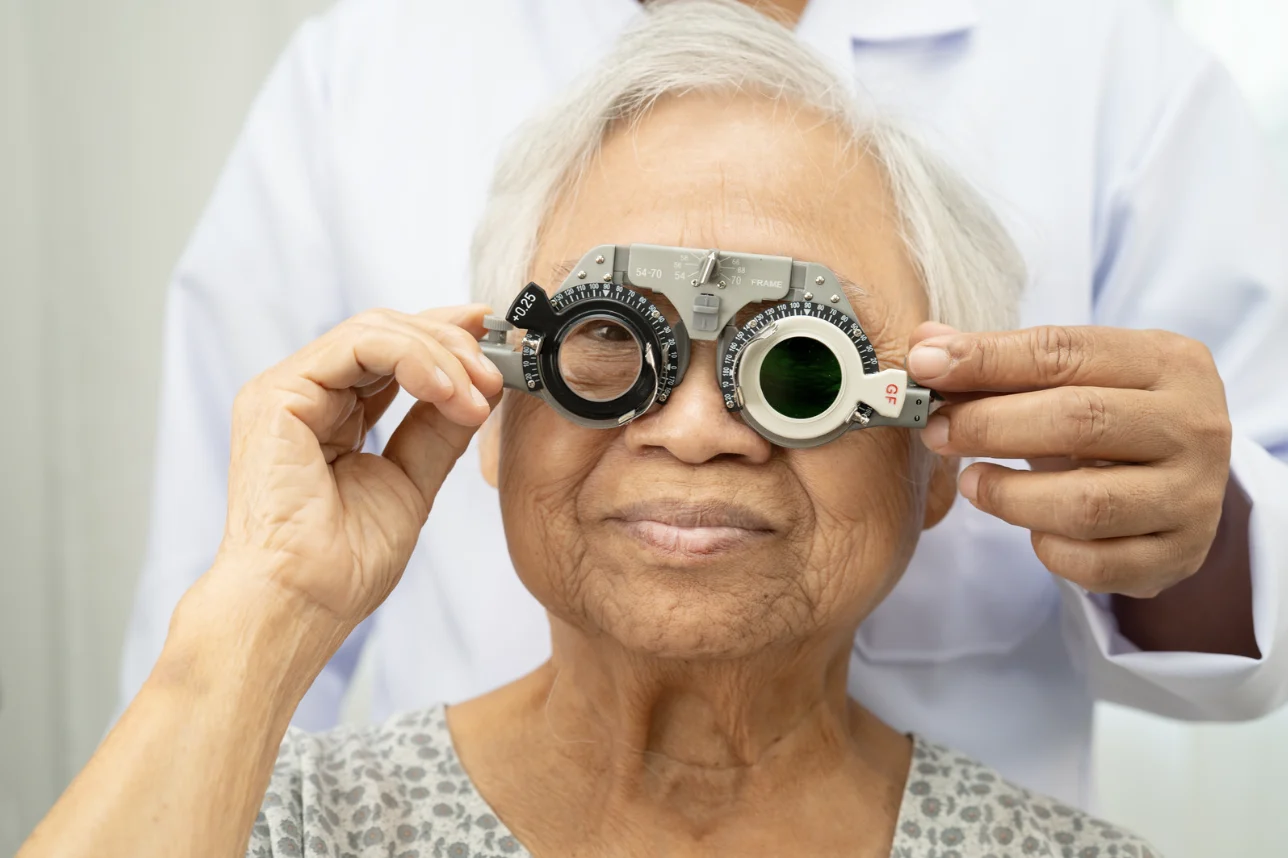
The most frequent cause is the natural ageing process. As the years pass, the tendons and muscles that hold the eyelid in place begin to stretch or lose their tone. The fat pads around the eye may also shrink. This loss of support allows the eyelid to become unstable and flip inward. This is known as involutional entropion and is the primary reason older adults seek treatment.
Scarring, Trauma, and Previous Surgeries (Cicatricial Entropion)
Scar tissue on the inner surface of the eyelid can pull the margin toward the eye. This is called cicatricial entropion. Common triggers include:
- Chemical burns to the eye area.
- Traumatic injuries.
- Complications from previous eyelid surgeries.
- Ocular inflammatory diseases. In these cases, the treatment must address both the muscle laxity and the restrictive scar tissue.
Congenital Factors and Chronic Infections
In rare cases, some infants are born with entropion. This is often due to an extra fold of skin (epiblepharon) or a structural abnormality in the eyelid plate.
Additionally, certain chronic infections like trachoma can cause severe scarring of the inner lid. This is less common in Singapore but it remains a global health issue. Regardless of the cause, the result remains the same: the lashes are misdirected toward the eye.
When to Seek Help for an Inward-Turning Eyelid
Knowing when to transition from home care to professional medical intervention is vital. A specialist can assess the degree of lid rotation and check for any existing damage to the cornea.
Is Entropion an Emergency?
While the condition usually develops gradually, it can become an urgent matter. Get an assessment right away if your eye pain worsens suddenly, your vision drops, or you see a white spot on your cornea. These signs often point to a corneal ulcer, which requires prompt antibiotic treatment to prevent permanent vision loss.
Spotting the Signs of Corneal Damage
The cornea is the clear window of the eye. You should monitor for signs of compromise, such as:
- Extreme sensitivity to light (photophobia).
- A feeling of intense grit that prevents you from opening the eye.
- Cloudy or hazy vision. Early intervention by an ophthalmologist can stop the progression from a simple scratch to a deep scar.
Entropion Treatment Options in Singapore
Treatment depends on the cause and severity of the entropion, as well as any existing eye damage. Options range from temporary protective measures to definitive surgical correction.
Temporary Relief: Lubricants and Protective Taping
Non-surgical measures provide temporary comfort rather than a permanent fix. They are best for patients waiting for surgery or those who cannot undergo surgery yet.
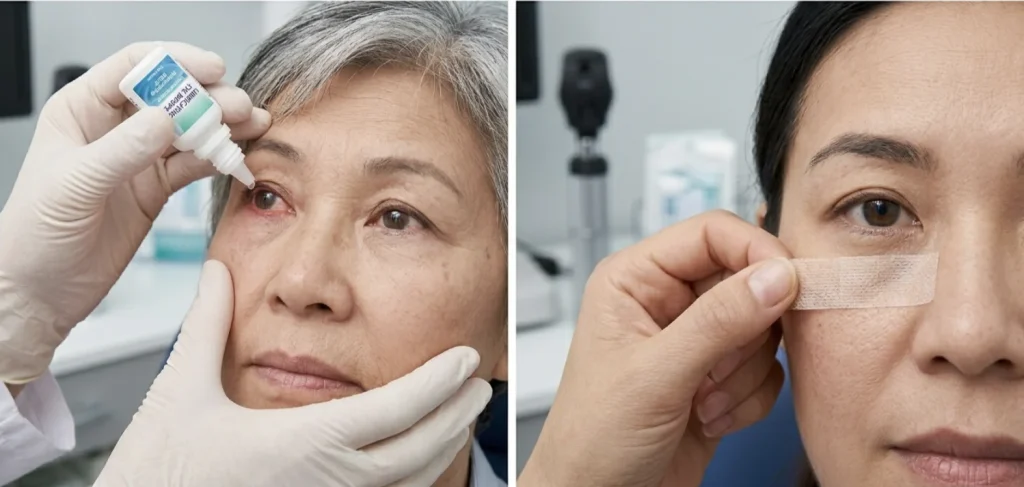
- Lubricating eye drops and gels: Preservative-free eye drops lubricate the eye to stop your lashes from scratching. This provides relief and helps protect your cornea.
- Lubricating ointment: Thicker formulations, used at night, offer extended protection during sleep.
- Eyelid taping: A strip of medical-grade skin tape applied below the lower lash line can mechanically pull the eyelid outward, temporarily reducing lash-to-cornea contact. This is particularly useful as a short-term bridge prior to surgery.
- Botulinum toxin injection: In select cases, a small injection into the lower eyelid muscles can relax the orbicularis oculi, temporarily reducing the inward rotation. The effect typically lasts two to three months.
Entropion Repair Surgery: A Permanent Correction
Surgery is the only definitive treatment for entropion. The procedure restores the eyelid’s natural position by tightening or repairing the weakened and scarred tissues.
For involutional entropion, the most commonly performed procedure involves:
- Tightening the lower eyelid retractors (the muscles that hold the lid in correct position).
- Correcting any excess horizontal laxity in the canthal tendons through a lateral tarsal strip procedure.
- Repositioning the pretarsal orbicularis muscle to prevent recurrence.
For scarring cases (cicatricial entropion), surgery involves loosening the scarred inner layer of the eyelid. We then graft this area using donor material or tissue from the roof of your mouth.
The grafting procedure is performed under general anaesthesia, while all other components of the treatment are conducted under local anaesthesia.
Frequently Asked Questions About Entropion
Will entropion go away on its own?
Unfortunately, the anatomical changes that cause the eyelid to turn inward do not reverse without intervention. Because the cause is usually related to stretched tendons or scar tissue, the condition tends to persist or worsen over time. Ignoring the problem increases the risk of developing corneal infections or permanent scarring.
How long does entropion repair surgery take?
A standard involutional entropion repair is typically completed within 30 to 45 minutes per eyelid. More complex cicatricial cases may take longer depending on the extent of reconstruction required.
Can you treat entropion without surgery?
Non-surgical options like Botox or taping only provide temporary relief. While Botox can weaken the muscles that pull the lid inward, the effect wears off after a few months. Surgery remains the only permanent solution to fix the underlying cause and prevent lasting eye damage.
Is lower eyelid surgery risky or painful?
The procedure is performed with local anaesthetic to ensure you do not feel pain during the surgery. While all surgery carries minor risks like bruising or infection, eyelid repairs are common with high success rates. Dr. Roy Tan will discuss specific risks and benefits with you during your consultation.
Take the Next Step
Early detection and treatment are crucial to safeguarding your vision from the irreversible damage.
Book the Comprehensive $88 Cataract & Glaucoma Screening.
Book a Cataract & Glaucoma Screening for $88
Don’t wait for symptoms to appear before taking action. Early detection is key to preserving your vision.
At Dr Roy Tan’s clinic, we offer a comprehensive Cataract & Glaucoma Screening for just $88. This screening is designed to assess your eye health thoroughly, identify any early indicators of glaucoma or cataracts, and discuss your personalised options if either condition is detected.