Blepharitis Treatment Singapore — Dr Roy Tan | AHS
If your eyelids are constantly red, itchy, or feel gritty, you are likely dealing with blepharitis. This common condition occurs when the oil glands near your lashes become blocked or irritated. Dr Roy Tan explains why this inflammation occurs and how to break the cycle of flare-ups through professional medical management and effective daily hygiene routines.

About Dr Roy Tan
Dr Roy Tan is an ophthalmologist at Asian Healthcare Specialists (AHS). He provides careful diagnostics and medical management for complex eyelid conditions, including chronic blepharitis and Meibomian Gland Dysfunction (MGD).
Introduction
Are your eyelids constantly red, itchy, or crusty? Do you feel a persistent gritty sensation, as if there’s sand in your eyes? You might be dealing with blepharitis, a common but often frustrating eyelid condition. The good news is that you don’t have to manage it alone. At Asian Healthcare Specialists (AHS), Consultant Ophthalmologist Dr Roy Tan provides comprehensive, compassionate care to help you find lasting relief from blepharitis in Singapore.
What to know about blepharitis:
- It causes inflammation along the eyelid margins, leading to redness, irritation, and crusting.
- It’s a chronic condition, but with a consistent management plan, symptoms can be effectively controlled.
- Effective blepharitis treatment often combines a daily at-home eyelid hygiene routine with targeted medical therapies.
- If over-the-counter solutions aren’t helping, it’s time to consult a specialist for a personalised care plan.
We understand how disruptive this condition can be to your daily comfort. This guide will help you know blepharitis, its symptoms, and the treatment pathways available to you at our Singapore clinic.
What Exactly Is Blepharitis?
Let’s start with the basics. Blepharitis is the medical term for inflammation of the eyelid margins—the area where your eyelashes grow. Think of it like a slight, persistent rash along the base of your lashes. This inflammation disrupts the normal function of the tiny oil glands (meibomian glands) located there, which are crucial for producing the oily layer of your tears that prevents them from evaporating too quickly.
Because it often affects these glands, blepharitis is frequently linked to Meibomian Gland Dysfunction (MGD) and evaporative dry eye disease. It’s typically a chronic condition, meaning it requires ongoing management rather than a one-time cure. However, with the right approach, most people can keep their symptoms well under control and enjoy comfortable vision.
Common Symptoms of Blepharitis
How do you know if what you’re experiencing is blepharitis? The symptoms can vary from person to person, but they often include a combination of the following:
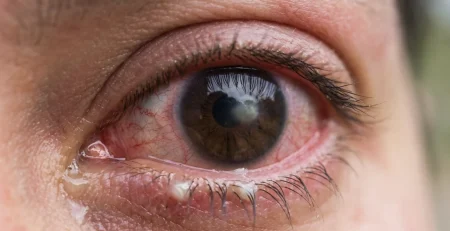
- Red, swollen eyelids: Particularly along the edges.
- Crusting or flaking: A gritty, scaly material or “collarettes” that collect at the base of your eyelashes, primarily upon waking.
- Itchy, burning, or gritty sensations: A persistent feeling of irritation or something being in your eye.
- Watery eyes: Paradoxically, your eyes may overproduce tears in response to the irritation.
- Sensitivity to light (photophobia): Discomfort in bright light.
- Sticky eyelids: Eyelids that feel glued together in the morning.
- Fluctuating or blurry vision: Your vision may temporarily clear after blinking, as the tear film is momentarily smoothed out.
If you recognise these blepharitis symptoms, it’s a clear sign that your eyelids need some attentive care.
What Causes Blepharitis? Understanding the Types
Blepharitis isn’t caused by one single thing; it’s usually multifactorial. Understanding the cause helps guide the most effective treatment. We typically categorise it by location.
| Type of Blepharitis | Location Affected | Common Causes |
|---|---|---|
| Anterior Blepharitis | Outside front of your eyelid, where eyelashes attach. | Bacterial overgrowth (often Staphylococcus), Seborrhoeic dermatitis. |
| Posterior Blepharitis | Inner eyelid margin and the meibomian glands. | Meibomian Gland Dysfunction (MGD). |
Many people have a mixed type, with elements of both anterior and posterior blepharitis causes.
The Role of Demodex Mites and Other Factors
A significant and often overlooked cause is an overpopulation of Demodex eyelash mites. These are tiny, natural mites that live in hair follicles. In small numbers, they’re harmless, but when they multiply excessively, they can clog glands and trigger inflammation, leading to Demodex blepharitis.
Other contributing factors include:
- Dry eye syndrome
- Hormonal changes
- Allergies
- Contact lens wear
- Certain skin conditions like rosacea
How We Diagnose Blepharitis in Singapore
If you suspect you have blepharitis, a proper diagnosis is the first step toward relief. During your consultation at AHS, Dr Roy Tan will conduct a thorough examination to confirm the diagnosis and identify the underlying causes. This typically involves:
- A Detailed Discussion: We’ll talk about your symptoms, their duration, and any factors that make them better or worse.
- Slit-Lamp Examination: This specialised microscope allows Dr Tan to magnify and brightly illuminate your eyelids, lashes, and ocular surface. He will look for tell-tale signs like:
- Crusting or scales around the eyelashes (collarettes).
- Redness and swelling of the eyelid margins.
- Blocked or visibly abnormal meibomian glands.
- The presence of Demodex mites, which can sometimes be seen under high magnification.
- Assessing Your Tear Film: We may evaluate the quality and quantity of your tears to understand any associated dry eye component.
This comprehensive approach ensures we don’t just treat the symptoms but address the root cause of your discomfort.
Blepharitis Treatment Options: Your Personalised Management Plan
The goal of blepharitis treatment is not necessarily a permanent cure but to control the inflammation, manage symptoms, and prevent flare-ups. At AHS, we believe in a stepwise, personalised plan that often combines at-home care with in-clinic treatments.
The Cornerstone of Care: Your Eyelid Hygiene Routine
This is the most critical part of long-term blepharitis management. A consistent eyelid hygiene routine can make a world of difference. Here’s how to do it effectively:
- Apply a Warm Compress: Use a clean, warm (not hot) cloth or a specially designed eye mask for 5-10 minutes. This gentle heat melts the hardened oils blocking your meibomian glands. A warm compress for blepharitis is essential for posterior blepharitis/MGD.
- Gentle Lid Massage: After warming, gently massage your eyelids with your fingertips in a circular motion to help express the liquefied oils from the glands.
- Eyelid Cleansing: Use a recommended eyelid scrub or pre-moistened wipe containing ingredients like hypochlorous acid or diluted tea tree oil to cleanse the lid margin and remove debris, bacteria, and mites. We can recommend specific products available in Singapore.
We often provide patients with a printable guide to make this routine easy to follow.
Medical Treatments from Your Ophthalmologist
When at-home care isn’t enough, we may recommend:
- Antibiotic Ointments or Drops: To control bacterial overgrowth. An antibiotic ointment for blepharitis, such as erythromycin, may be applied to the lid margins at night.
- Anti-Inflammatory Drops: Short-course steroid drops can be highly effective at rapidly reducing significant inflammation.
- Oral Antibiotics: In some cases, a low-dose oral antibiotic, such as doxycycline, is prescribed for blepharitis due to its anti-inflammatory properties and its ability to improve meibomian gland oil quality.
- Treatments Targeting Demodex Mites: Specific tea tree oil-based formulations or in-clinic procedures to address mite overpopulation.
- Artificial Tears: Preservative-free lubricating drops help soothe the associated dry eye symptoms.
Advanced In-Clinic Procedures
For stubborn cases, particularly those with significant Meibomian Gland Dysfunction (MGD), we may discuss advanced options. These can include:
- Meibomian Gland Expression: A more complete manual expression of the glands performed in the clinic.
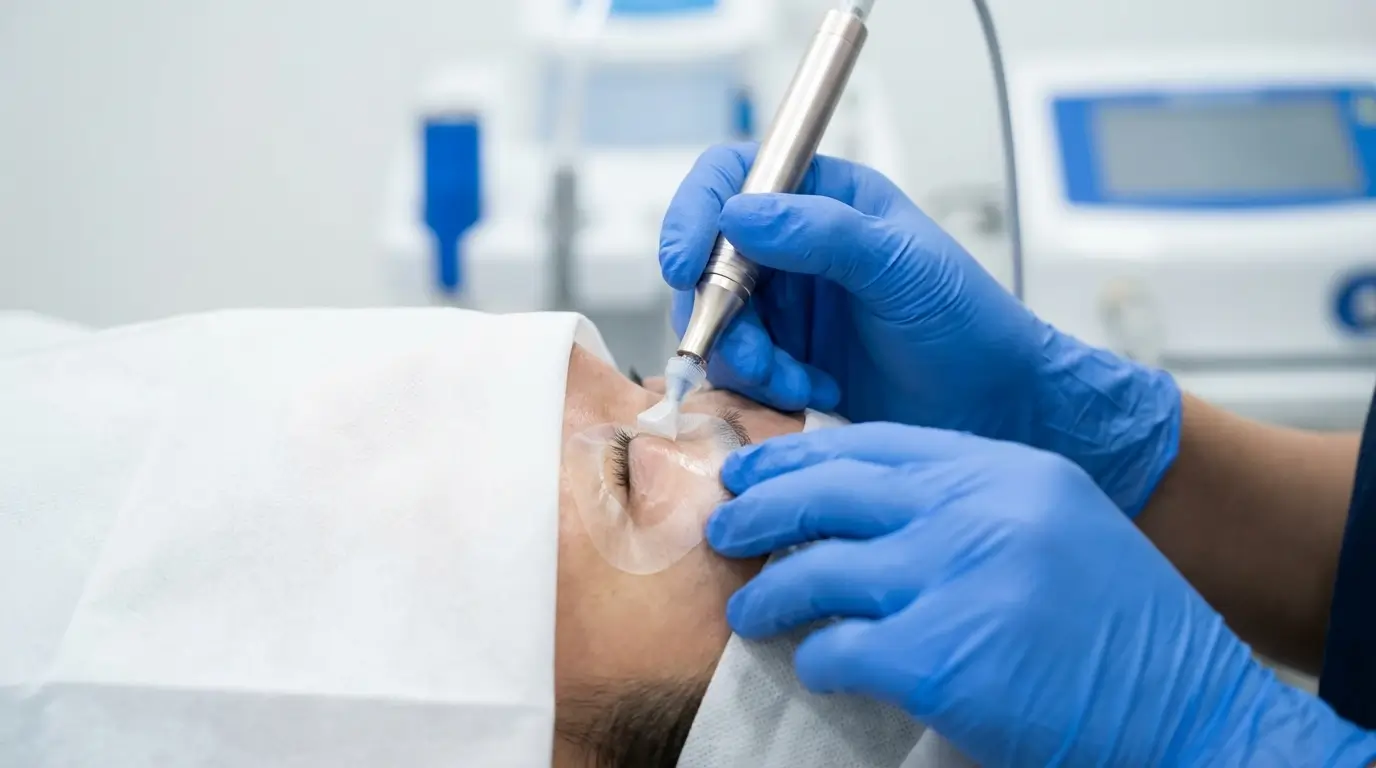
- Blephex Treatment: An in-clinic procedure that gently and effectively scrubs the eyelid margins with a special medical-grade solution to remove bacterial biofilm, crusting, and debris, providing significant relief from symptoms.
Frequently Asked Questions About Blepharitis
1. What is the fastest way to relieve blepharitis symptoms at home?
While instant relief is difficult, starting a consistent routine of warm compresses followed by gentle lid massage and cleansing provides the most effective at-home relief. Using preservative-free artificial tears can also quickly soothe gritty sensations.
2. How do I clean my eyelids safely?
Use a recommended eyelid cleanser on a clean cotton pad or a pre-moistened wipe. Gently wipe along the base of your upper and lower lashes, from the inner to the outer corner of your eye. Avoid getting the solution directly into your eye.
3. Does blepharitis go away completely?
Blepharitis is often a chronic condition, meaning it can be managed effectively but may not be “cured” permanently. With a consistent daily routine, most people can achieve long symptom-free periods.
4. What is the difference between anterior and posterior blepharitis?
Anterior blepharitis affects the outer eyelid where eyelashes attach, often due to bacteria or dandruff. Posterior blepharitis affects the inner eyelid and meibomian glands, usually due to MGD.
5. How do demodex mites cause blepharitis?
An overabundance of Demodex mites can block hair follicles and oil glands, cause mechanical irritation, and trigger an inflammatory immune response, leading to symptoms.
6. Can contact lens wearers manage blepharitis?
Yes, but it requires extra care. You should reduce wearing time, ensure impeccable lens hygiene, and switch to daily disposable lenses. It’s crucial to treat the blepharitis to avoid complications.
Your Pathway to Comfortable Eyes Starts Here
Living with the irritation of blepharitis can be draining, but practical help is available. Dr Roy Tan and the team at AHS are dedicated to providing a precise diagnosis and a compassionate, tailored blepharitis treatment plan in Singapore that fits your lifestyle.
We focus on equipping you with the knowledge and tools to manage your condition confidently, with our medical expertise available when you need it. Take the first step toward relief.
Schedule a Consultation with Dr Roy Tan