Diabetic Retinopathy in Singapore: How High Blood Sugar Affects Your Vision
Key Takeaway (TL;DR)
This guide explains how diabetic retinopathy silently damages your eyes and breaks down the stages, symptoms, and advanced treatments available in Singapore. The key takeaway? High blood sugar destroys retinal blood vessels long before you notice blurry vision, making early detection crucial. You must prioritise annual diabetic eye screenings to prevent irreversible blindness. Don’t wait for symptoms to appear; schedule a comprehensive eye examination with Dr Roy Tan today to protect your sight.

Dr Roy Tan
Eye Specialist & Ophthalmologist | Asian Healthcare Specialists
Providing comprehensive diagnostic evaluations, advanced medical eye care, and personalised treatments for conditions including cataracts, glaucoma, and diabetic retinal diseases.
Did you know that here in Singapore, roughly 1 in 3 people living with diabetes will eventually develop some form of diabetic eye disease? It is a staggering statistic that hits close to home. When we talk about managing diabetes, the focus usually lands on our diet, kidneys, or even our feet. But what about our eyes?
If you or a loved one is managing diabetes, you are essentially walking around with a ticking time bomb regarding your vision—unless you actively defuse it. Diabetic retinopathy in Singapore is a growing epidemic, but it doesn’t have to end in vision loss. Let’s break down exactly how high blood sugar impacts your eyesight and, more importantly, what we can do to stop it.
What is Diabetic Retinopathy? (The Connection Between Sugar and Sight)
To understand diabetic retinopathy, think of your eye’s blood vessels like a high-pressure garden hose. When you have chronically high blood sugar, it acts like tiny shards of glass running through that hose. Over time, the inner walls of the hose become weak, bulge, and eventually leak.
How High Blood Glucose Damages the Retina
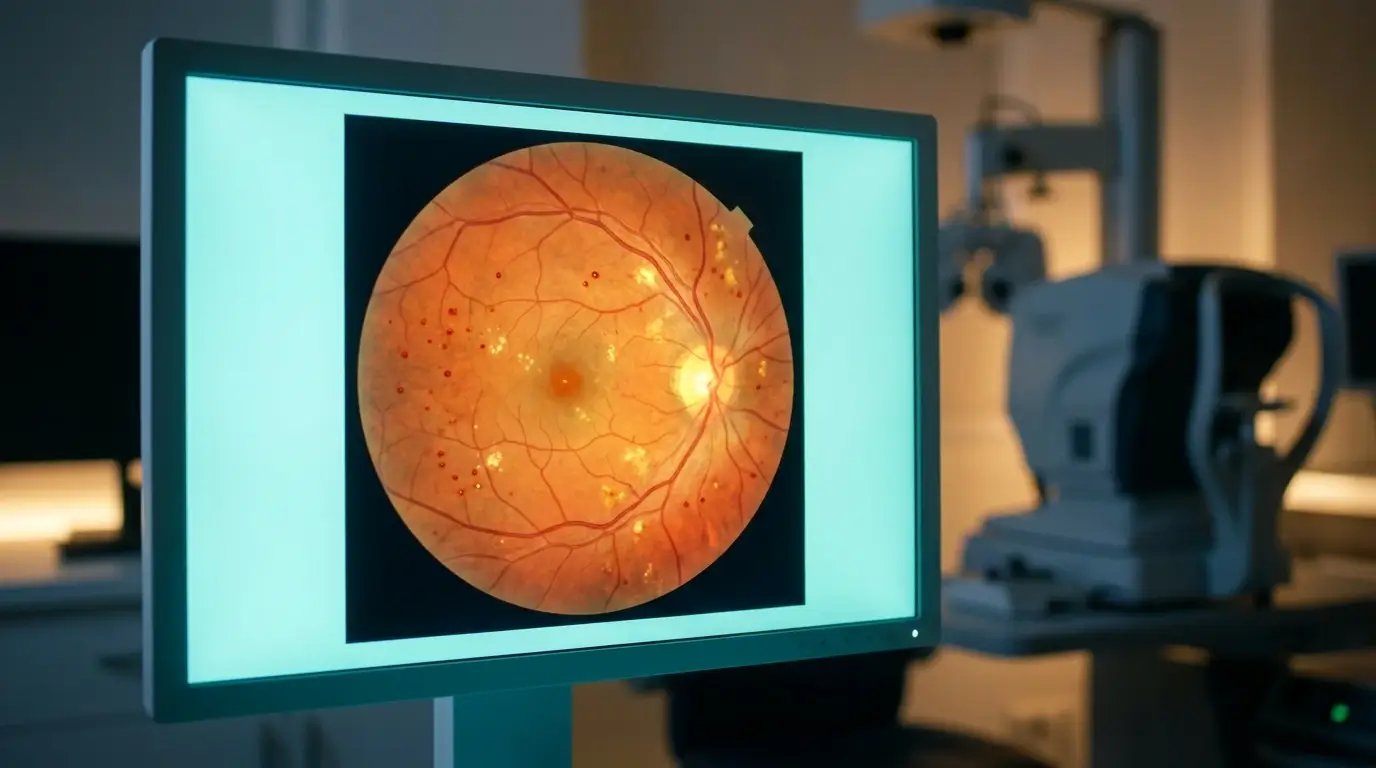
Your retina is the light-sensitive tissue at the back of your eye—it works like the film in a camera. It relies on a network of delicate blood vessels for oxygen and nutrients. When high blood glucose damages these vessels, they start leaking fluid and blood directly into the retina. This physical damage prevents light signals from properly reaching your brain, resulting in distorted or blocked vision.
Why it’s the Leading Cause of Vision Loss in Working-Age Adults
You might think severe eye diseases only happen in your twilight years, but diabetic retinopathy actively targets working-age adults. Because diabetes often develops in a person’s 30s, 40s, or 50s, the prolonged exposure to unstable HbA1c levels means peak vision loss can strike right during your most productive years.
Recognising the Stages of Diabetic Eye Disease
Diabetic retinopathy doesn’t blind you overnight. It is a progressive disease that operates in stages. Understanding where you stand is the first step toward effective diabetic retinopathy treatment in Singapore.
| Disease Stage | What Happens Inside the Eye |
|---|---|
| Non-Proliferative Diabetic Retinopathy (NPDR) – The Early Warning | This is the early stage. Your blood vessels are weakening and forming tiny bulges called microaneurysms. They might be leaking small amounts of blood or fluid into the retina. The scary part? You probably have perfect 6/6 vision right now. You won’t feel a thing. |
| Proliferative Diabetic Retinopathy (PDR) – The Advanced Risk | If left unchecked, the disease progresses to PDR. Because the original blood vessels are so damaged, your eye becomes starved of oxygen. In a desperate attempt to survive, the eye grows new, abnormal blood vessels (neovascularisation). But these new vessels are incredibly fragile. They bleed profusely into the clear jelly of your eye (the vitreous), causing a sudden, massive drop in vision known as a vitreous haemorrhage. |
| Diabetic Macular Edema (DME) – Why Things Look Blurry | At any stage, the leaking fluid can pool in the macula—the central part of your retina responsible for sharp, straight-ahead vision. When the macula swells with fluid, it’s called Diabetic Macular Edema (DME). This is the most common reason diabetics struggle to read, recognise faces, or drive safely. |
Symptoms to Watch For (And Why They Often Come Too Late)
We cannot stress this enough: Do not wait for symptoms. By the time you notice changes in your eyesight, the physical damage to your retina is already quite advanced. However, if you experience any of the following diabetic eye disease symptoms, you need an emergency check-up:
- An increase in dark spots or “floaters” drifting across your vision.
- Fluctuating blurry vision (often correlating with your blood sugar spikes).
- Washed-out colours or impaired colour vision.
- Dark or empty areas in the centre of your sight (scotomas).
Diabetic Eye Screening in Singapore: What to Expect
Are you relying on the quick puff-of-air test at the optical shop? That is simply not enough. A proper diabetic eye screening in Singapore requires a deep dive into the back of your eye.
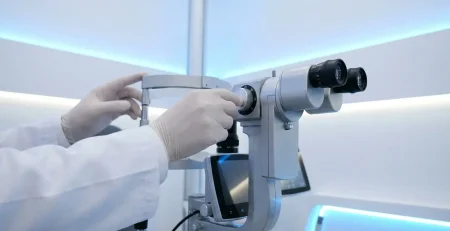
When you visit an eye specialist like Dr Roy Tan, we conduct a comprehensive, dilated eye exam. We use specialised drops to dilate your pupils, giving us a clear view of your retina. We also utilise high-definition Optical Coherence Tomography (OCT) scans and fundus photography. These painless, non-invasive imaging tools allow us to spot microscopic swelling and bleeding years before you would ever notice a change in your vision.
Treatment Options by Dr Roy Tan: Restoring Your Vision
If we find damage, do not panic. We have incredibly advanced medical tools to stabilise and even improve your sight.
Intravitreal Injections (Anti-VEGF Therapy)
This is the gold standard for treating Diabetic Macular Edema. We administer a tiny, virtually painless injection directly into the eye. These Anti-VEGF medications actively shrink abnormal blood vessels and quickly reduce swelling in the macula, restoring clear vision.
Laser Photocoagulation (Sealing Leaky Vessels)
Using pinpoint laser technology, we can literally seal off the leaking blood vessels. For advanced PDR, a scattered laser treatment shrinks those dangerous, fragile new blood vessels, drastically lowering the risk of severe bleeding and retinal detachment.
Vitrectomy Surgery for Advanced Cases
If massive bleeding has already occurred in the vitreous gel, or if scar tissue is tugging on your retina, a vitrectomy might be necessary. As a skilled eye surgeon, Dr Roy Tan can carefully remove the blood-filled gel and scar tissue, reattaching the retina to save your vision.
Prevention: How to Protect Your Eyes Beyond the Clinic
Medical treatments are powerful, but the true battle against diabetic retinopathy is fought in your daily life. Protect your eyes by mastering the ABCs of diabetes management:
- A1c: Keep your long-term blood sugar levels tightly controlled.
- Blood Pressure: High blood pressure accelerates damage to the blood vessels in the eye.
- Cholesterol: High lipids can leak into the retina, making edema much worse.
- Stop Smoking: Smoking actively chokes off the already compromised blood supply to your eyes.
Frequently Asked Questions (FAQs)
Can I go blind from diabetic retinopathy?
Yes. If left completely untreated, the bleeding and scar tissue associated with advanced Proliferative Diabetic Retinopathy can lead to retinal detachment and permanent blindness. However, early detection prevents severe vision loss in over 90% of cases.
Is diabetic eye damage permanent?
While we cannot completely reverse structural damage once it has occurred, modern treatments such as anti-VEGF injections and laser therapy can effectively halt progression and significantly improve your current vision.
How often should a diabetic get an eye check in Singapore?
If you have Type 1 or Type 2 diabetes, you must undergo a comprehensive dilated eye exam at least once a year. If you have already been diagnosed with retinopathy, Dr Roy may recommend seeing you every 3 to 6 months.
What is the cost of diabetic eye treatment?
The cost varies depending on the specific treatment (injections, laser, or surgery). Fortunately, many of these medically necessary procedures are eligible for MediSave claims and are often covered by private integrated shield plans in Singapore.
Schedule Your Diabetic Eye Assessment with Dr Roy Tan
Don’t let diabetes steal your independence and the beautiful moments of your life. Whether you were diagnosed with diabetes yesterday or a decade ago, today is the perfect day to take control of your eye health.
You need an experienced retinal specialist who understands the unique complexities of diabetic eye diseases. Secure your peace of mind and protect your future sight.
Contact Asian Healthcare Specialists today to book your comprehensive diabetic eye assessment with Dr Roy Tan. Give our clinic a call or fill out the convenient appointment form on our website right now!