Eyelid Surgery in Singapore: Restoring Vision and Appearance
Do your eyelids feel heavy or look tired even after a full night of rest? Many people in Singapore find that sagging or drooping eyelids hinder their daily activities and self-confidence. Eyelid surgery, or blepharoplasty, solves these issues by clearing your vision and refreshing your appearance.
What is Eyelid Surgery (Blepharoplasty)?
Eyelid surgery involves the surgical correction of the upper and lower eyelids. In Singapore, ophthalmologist who subspecialise in oculoplastic commonly perform this procedure. It addresses several key issues:
- Excess skin that creates a hooded or heavy look.
- Weakened muscles (Ptosis) that make opening the eyes difficult.
- Displaced fat deposits that cause puffiness or under-eye bags.
Understanding the Science of Eyelid Anatomy
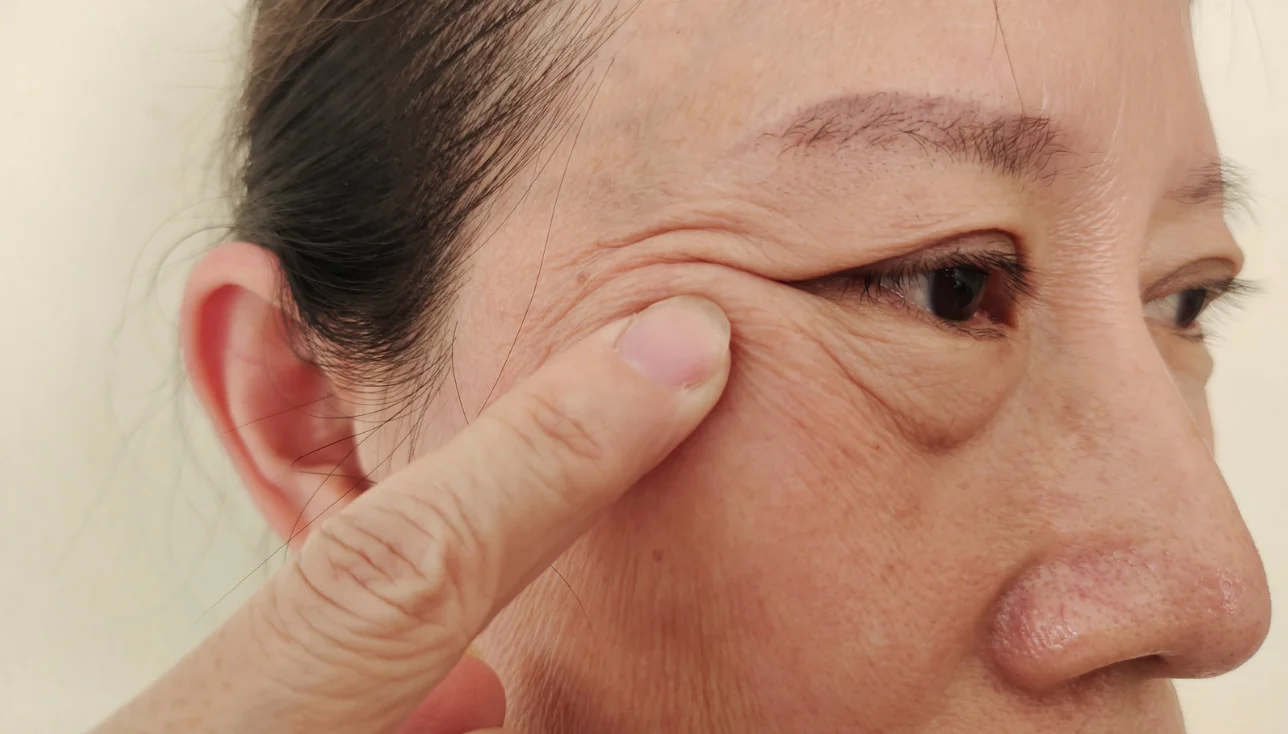
The skin around our eyes is the thinnest on the body. As we age, the production of collagen and elastin decreases. This leads to dermatochalasis, a condition where excess skin folds over the natural crease of the lid.
Beneath the surface, the levator muscle is responsible for lifting the eyelid. Over time, this muscle may stretch or detach. This results in a heavy appearance that can limit your field of vision. In some cases, orbital fat protrudes to create bags or bulges that topical creams won’t resolve
The Procedure: What to Expect During Surgery
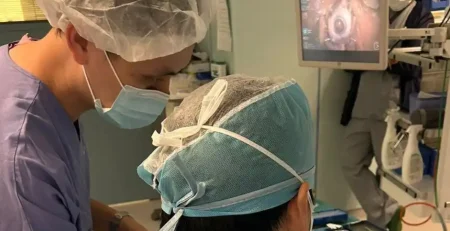
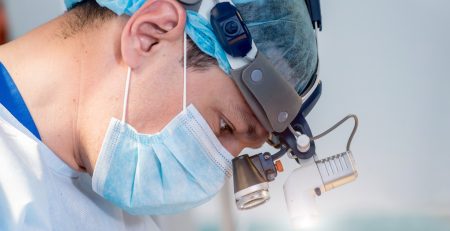
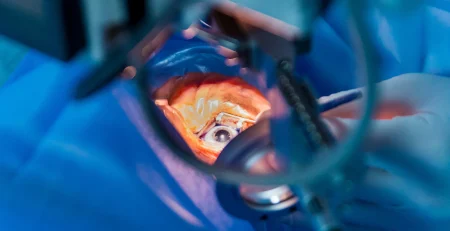
Eyelid surgery is typically performed as a day-surgery. The process generally takes between 30 to 45 minutes per eye. To ensure patient comfort, surgeon uses local anaesthesia combined with light sedation. This means you remain relaxed and pain-free throughout the session.
Because it is a minimally invasive approach, there is no need for an overnight hospital stay. Patients can usually return home shortly after the procedure is completed to begin their recovery in a familiar environment.
Is Eyelid Surgery 100% Safe?
Blepharoplasty is one of the most commonly performed ophthalmic surgical procedures worldwide, with a well-established safety record. That said, like any surgery, it carries a degree of risk. Potential complications include:
- Temporary dryness or irritation of the eye
- Mild asymmetry during the healing period
- Bruising and swelling (typically resolving within two weeks)
- In rare cases, infection or altered eyelid sensation
Types of Eyelid Surgery: Functional vs. Aesthetic
Eyelid surgery is categorised based on the primary goal of the treatment, ranging from medical necessity to cosmetic rejuvenation. Understanding which one you need is essential for both your results and potential Medisave claims.
1. Functional Surgery (Medical Necessity)
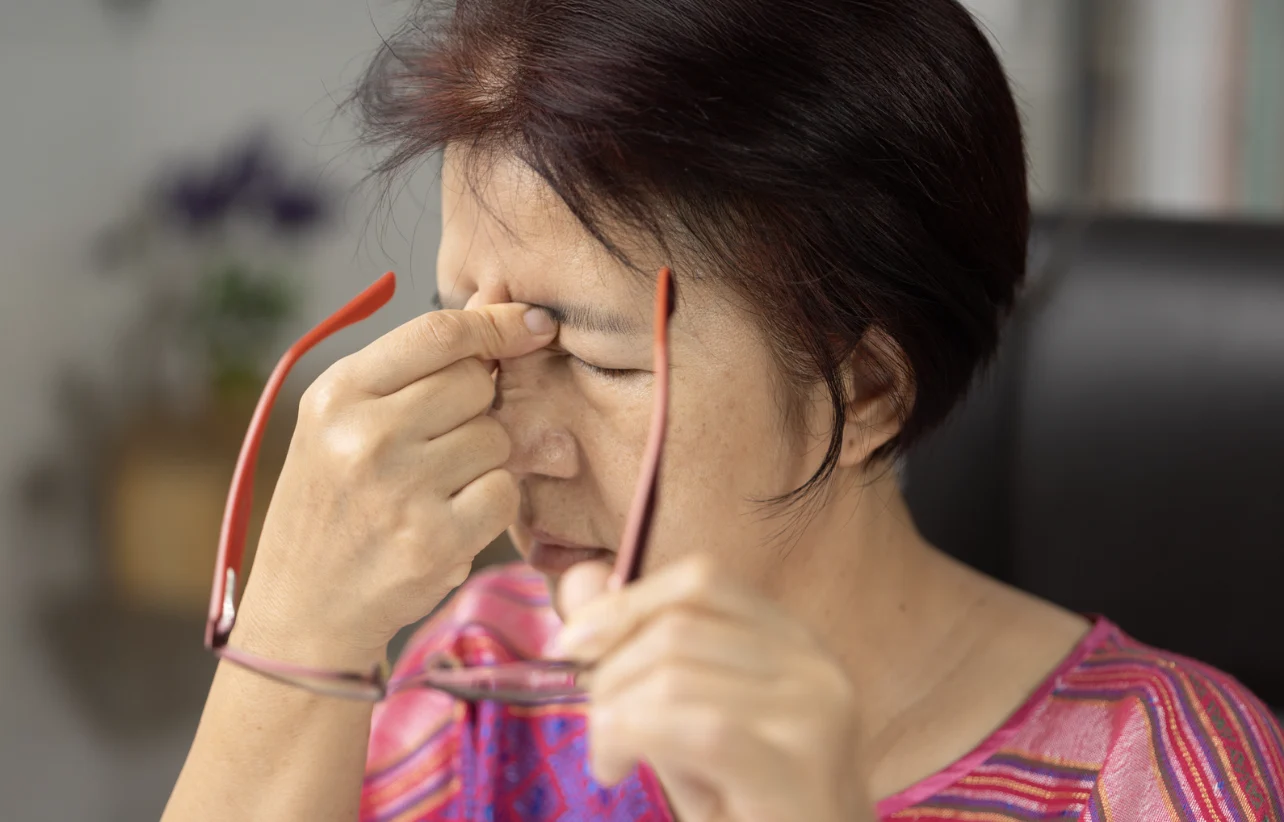
You need this surgery when your eyelid position interferes with your vision or eye health.
- Ptosis Repair: This corrects a drooping upper eyelid that covers the pupil or is close to the pupil.
- Entropion or Ectropion Repair: These procedures correct eyelids that turn inward or outward to prevent chronic irritation and corneal scarring.
- Upper Blepharoplasty: If the hooded skin droops to a level that is affecting the vision.
2. Aesthetic Blepharoplasty (Cosmetic Enhancement)
This focuses on refreshing the eye area for a more youthful look.
- Upper Blepharoplasty: This removes mildly hooded skin for a more awake appearance.
- Double Eyelid Surgery: This is a popular procedure in Singapore for creating a defined eyelid crease.
- Lower Blepharoplasty: This addresses eye bags by removing or repositioning fat deposits.
Combined Procedures for Optimal Results
It is common for patients to experience both functional obstructions and cosmetic concerns simultaneously. Dr Roy Tan can address these during a single surgical session. For instance, a patient might combine ptosis repair to lift a drooping lid with the removal of excess skin for a cleaner crease. This combined approach is more efficient, requiring only one recovery period to improve both your vision and appearance.
Who Benefits from Eyelid Surgery? Common Causes and Risk Factors
Eyelid surgery addresses a broad range of conditions. Whether the cause is ageing, trauma, or a congenital issue, identifying the right candidates early leads to better outcomes and prevents avoidable complications.
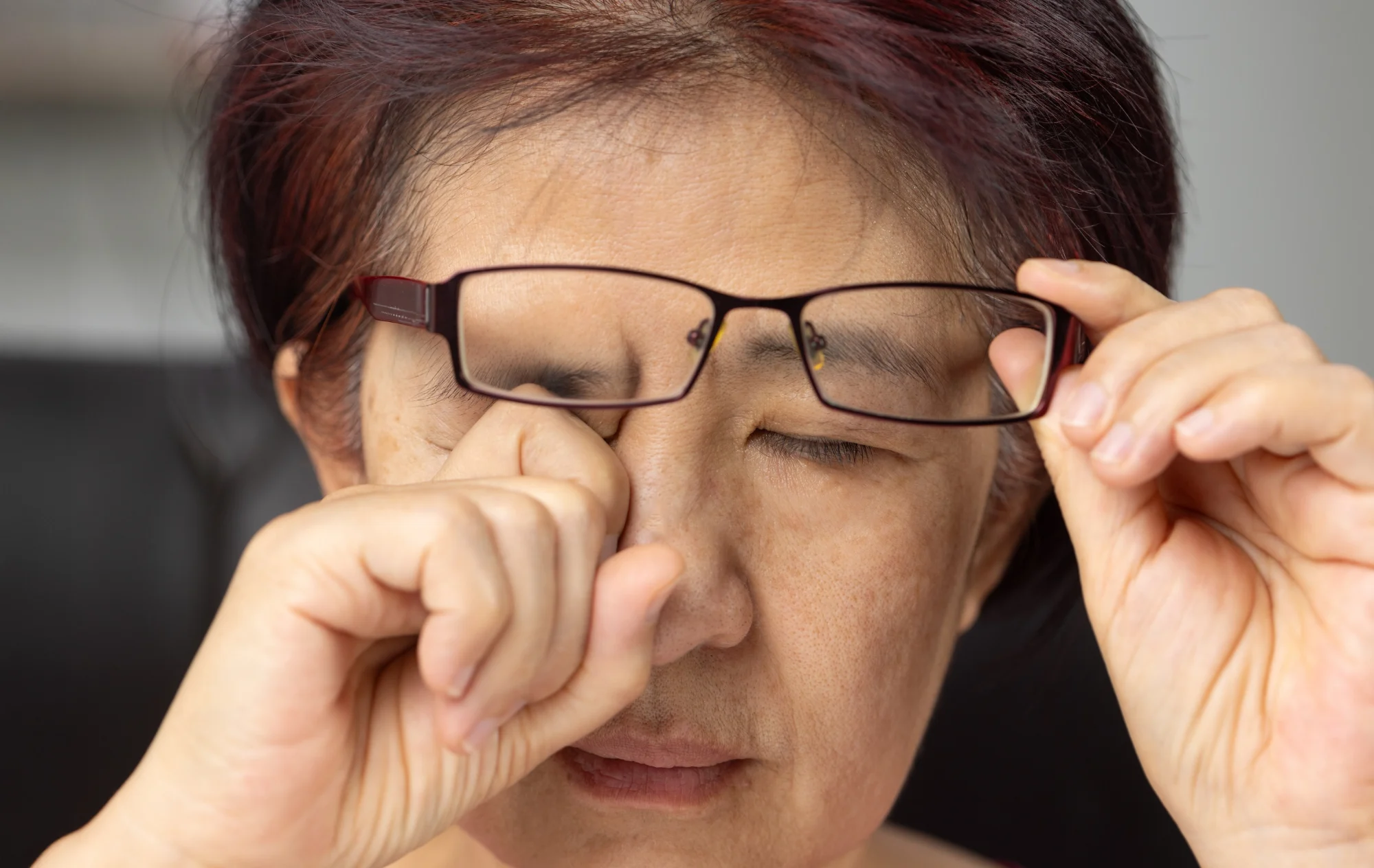
Recognising the Signs: When Sagging Becomes a Medical Issue
Not everyone with heavy eyelids needs surgery. However, the following symptoms suggest that the condition may have crossed into medical territory:
- Persistent forehead strain or raised eyebrows to keep lids elevated
- Narrowed superior (upper) visual field, making tasks like reading difficult
- Frequent eye irritation, dryness, or tearing due to incomplete lid closure or lash rubbing
- Chronic headaches attributed to compensatory muscle tension
- Difficulty driving, particularly in bright or low-light conditions
Determining the Best Age for an Eyelid Lift
There is no single correct age for eyelid surgery. The majority of patients who undergo age-related blepharoplasty are over 40, when skin laxity and muscle weakening become more pronounced. However, younger patients may also require intervention in the following circumstances:
- Congenital ptosis detected in infancy or childhood, where early treatment is essential to prevent amblyopia (lazy eye)
- Post-traumatic eyelid changes following an injury
- Post-surgical changes where previous eye procedures have altered lid position
- Hereditary dermatochalasis, which can appear in patients in their 30s
Who Should Avoid Eyelid Surgery?
Eyelid surgery is not suitable for everyone. Patients with the following conditions may need to defer or avoid surgery:
- Severe dry eye syndrome — surgery can worsen lid closure, exacerbating dryness
- Uncontrolled systemic conditions such as unmanaged diabetes or hypertension
- Active eye infections or inflammation
- Thyroid eye disease that has not yet reached a stable phase
- Unrealistic cosmetic expectations without a functional indication
Eyelid Surgery Cost in Singapore: Medisave and Insurance
Understanding the cost of eyelid surgery in Singapore allows patients to plan appropriately. Pricing depends on the complexity of the procedure, whether it is functional or cosmetic, and the facilities involved.
| Feature | Aesthetic Blepharoplasty | Functional Ptosis/Entropion |
| Primary Goal | Appearance enhancement | Restoring vision/eye health |
| Medisave/Insurance | Generally not claimable | Often claimable |
| Visual Field Test | Usually Not Required | Required for Medical Proof |
| Estimated Cost | $6,000 – $15,000 | $6,000 – $15,000 |
Note: To claim Medisave for ptosis surgery in Singapore, a clinical assessment and a visual field test must prove that the drooping eyelid obstructs the patient’s vision to a specific degree.
Frequently Asked Questions About Eyelid Surgery
How long does eyelid surgery last?
While the surgery effectively resets the clock, the natural aging process continues. Typically, the results of a blepharoplasty (i.e. upper and lower) last up to 10 years.
Will there be visible scarring?
Dr. Roy Tan utilises advanced techniques to hide incisions within the natural eyelid crease. For lower lids, he often makes the incision inside the lid, rendering scars virtually invisible.
What is the recovery time for blepharoplasty in Singapore?
Most patients can return to work within a week. However, you should avoid strenuous exercise and swimming for at least two weeks to ensure the incisions heal properly.
Take the Next Step
Early detection and treatment are crucial to safeguarding your vision from the irreversible damage.
Book the Comprehensive $88 Cataract & Glaucoma Screening.
Book a Cataract & Glaucoma Screening for $88
Don’t wait for symptoms to appear before taking action. Early detection is key to preserving your vision.
At Dr Roy Tan’s clinic, we offer a comprehensive Cataract & Glaucoma Screening for just $88. This screening is designed to assess your eye health thoroughly, identify any early indicators of glaucoma or cataracts, and discuss your personalised options if either condition is detected.