Eye Specialist vs Optometrist: Who Should You See for Your Condition in Singapore?
Key Takeaway (TL;DR):
Confused about whether you need an optometrist or an eye specialist (ophthalmologist) in Singapore? This guide clarifies their distinct roles. Optometrists are primary eye care professionals for vision tests, glasses, and contact lenses. Ophthalmologists like Dr Roy Tan are medical doctors who diagnose and treat eye diseases, perform surgery, and manage complex conditions. Understanding the difference ensures you get the right care faster. If you have pain, sudden vision changes, or a known eye disease, booking a consultation with an eye specialist (ophthalmologist) is advised.

About Dr Roy Tan
Dr Roy Tan is a Consultant Ophthalmologist and Eye Specialist at Asian Healthcare Specialists. As a fully qualified medical doctor and surgeon, he specializes in the diagnosis, medical management, and surgical treatment of complex eye diseases to protect and restore his patients’ vision.
The short answer is yes, and knowing which professional to see can save you time, ensure you get the right treatment, and, most importantly, protect your precious sight. Let’s clear up the confusion together, so you can navigate your eye care journey with confidence.
What Exactly is an Optometrist?
Think of an optometrist as your primary care doctor for your eyes. They can either be university-trained with a degree or poly-trained with a diploma in Optometry. Their expertise lies at the frontline of eye care.
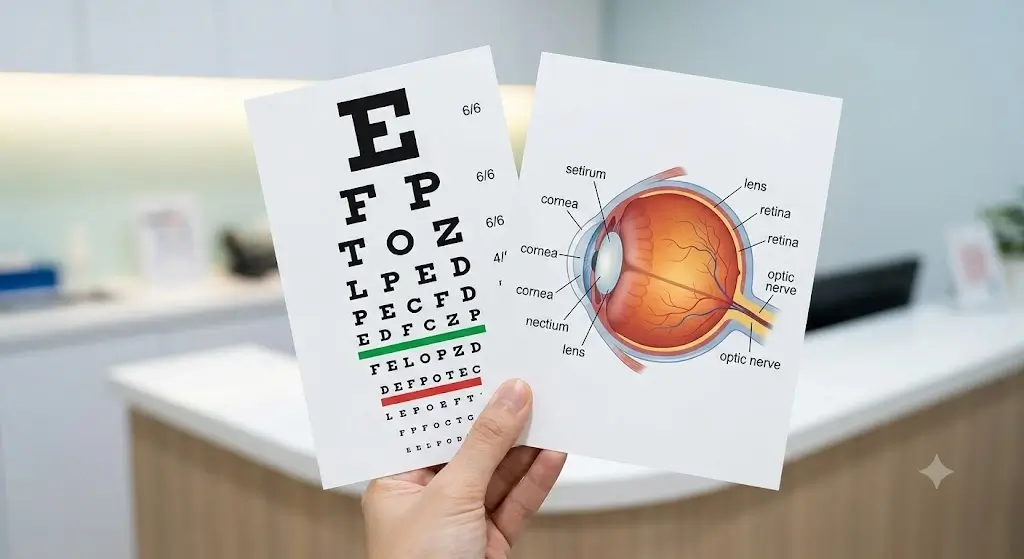
An optometrist’s core role focuses on vision and refractive errors. When you visit one for a routine check-up, they will:
- Conduct a comprehensive eye exam to assess how well you see.
- Determine your prescription for glasses or contact lenses to correct short-sightedness, long-sightedness, astigmatism, or presbyopia (age-related reading difficulty).
- Fit and dispense contact lenses, providing advice on their safe use and hygiene.
- Screen for common eye conditions.
They are essential for maintaining good visual clarity and are often the first to detect signs of a potential problem. If something beyond their scope is spotted—like signs of glaucoma or a retinal issue—a responsible optometrist will refer you to an eye specialist for further investigation.
What is an Eye Specialist (Ophthalmologist)?
This is where the path diverges into medical and surgical care. An ophthalmologist is a fully qualified medical doctor (MBBS) who has then undertaken years of additional, rigorous postgraduate training (MMed, FRCS) to specialise in the medical and surgical treatment of eye diseases.
In essence, while an optometrist is an expert in vision, an ophthalmologist is an expert in the health of the eye itself. They are licensed to:
- Diagnose and treat all eye diseases, such as glaucoma, cataracts, macular degeneration, diabetic retinopathy, and retinal detachments.
- Perform eye surgery, including cataract surgery, LASIK, corneal transplants, and retinal procedures.
- Manage complex medical conditions affecting the eyes, such as diabetes or hypertension.
- Prescribe therapeutic medications for eye infections and inflammations.
If your eye issue is a disease, requires medication, or needs an operation, you need the expertise of an ophthalmologist.
The Quick Guide: Who Should You See for Your Symptoms?
Still unsure? Let’s break it down by what you’re experiencing. This simple guide helps you match your symptoms with the right eye care professional.
| 👓 You should consider seeing an Optometrist for: | ⚕️ You should see an Eye Specialist (Ophthalmologist) for: |
|---|---|
| Routine eye check-ups every 1-2 years. | Any eye pain, redness, or injury. |
| Blurry vision that you suspect just needs a new pair of glasses or a contact lens prescription. | Sudden changes in vision: loss of vision, double vision, persistent blurriness not fixed with new glasses. |
| Difficulty reading menus or your phone (likely presbyopia). | Seeing flashes of light, new floaters, or a curtain-like shadow in your vision (potential retinal emergency). |
| Getting fitted for new contact lenses or solving minor lens discomfort. | Management of diagnosed eye diseases: glaucoma, cataracts, macular degeneration. |
| Follow-up for systemic conditions like diabetes or high blood pressure, which require regular retinal screening. | |
| When surgery or a medical procedure (e.g., cataract surgery, laser treatment, eye injections) is needed or recommended. |
Your Eye Care Access and Cost in Singapore
When it comes to cost and access in Singapore, here’s what you should know:
- Direct Access: In the private sector, such as at Asian Healthcare Specialists, you can book a consultation with an ophthalmologist directly without needing a GP referral. This can significantly reduce waiting times compared to the subsidised public route.
- Cost Considerations: A specialist consultation fee is understandably higher, reflecting their advanced medical training and the complexity of care they provide. However, it’s important to look beyond the sticker price.
- Insurance & MediSave: For medical eye conditions, consultations and investigations are often claimable under your Integrated Shield Plan. Surgical procedures, such as cataract surgery, are approved for MediSave use, which can substantially offset your out-of-pocket expenses. Our clinic team can assist you with understanding your financing options.
Why Choose Dr Roy Tan at Asian Healthcare Specialists for Your Specialist Eye Care
When your symptoms suggest specialist attention, you want a clinician who combines deep expertise with genuine compassion. This is the foundation of care with Dr Roy Tan.
At Asian Healthcare Specialists, you benefit from a multidisciplinary approach. If your eye condition is linked to another health issue—for example, diabetic retinopathy—being part of a group that includes endocrinologists and other specialists enables seamless, coordinated care for your overall well-being.
Dr Roy Tan focuses on providing clear explanations, taking the time to ensure you understand your diagnosis and all available treatment options. The goal is to empower you to make informed decisions about your health in a supportive environment, where advanced diagnostic tools and treatment are readily available under one roof.
Frequently Asked Questions
Q: What’s the difference between an optician, optometrist, and ophthalmologist in Singapore?
A: An optician is trained to fit and dispense glasses and contact lenses based on a prescription given by an optometrist or ophthalmologist. An optometrist performs eye tests and prescribes corrective lenses. An ophthalmologist is a medical doctor who diagnoses, treats, and performs surgery for all eye diseases.
Q: Can an optometrist prescribe medication for an eye infection?
A: Generally, no. Optometrists are not licensed to prescribe therapeutic pharmaceutical agents to treat eye diseases. Diagnosing and treating an infection requires the expertise of a medical doctor or an ophthalmologist.
Q: Do I need a referral to see Dr Roy Tan, an eye specialist?
A: For private specialist care at our clinic, you can book a consultation directly with Dr Roy Tan without a GP referral. This allows for prompt assessment and peace of mind.
Q: I have diabetes. Who should I see for my regular eye checks?
A: You should see an ophthalmologist. Diabetic eye screening specifically looks for retinopathy, which requires a medical assessment of the retina’s health. An ophthalmologist can not only diagnose this but also provide immediate treatment if needed.
Q: Is a comprehensive eye exam by a specialist very different?
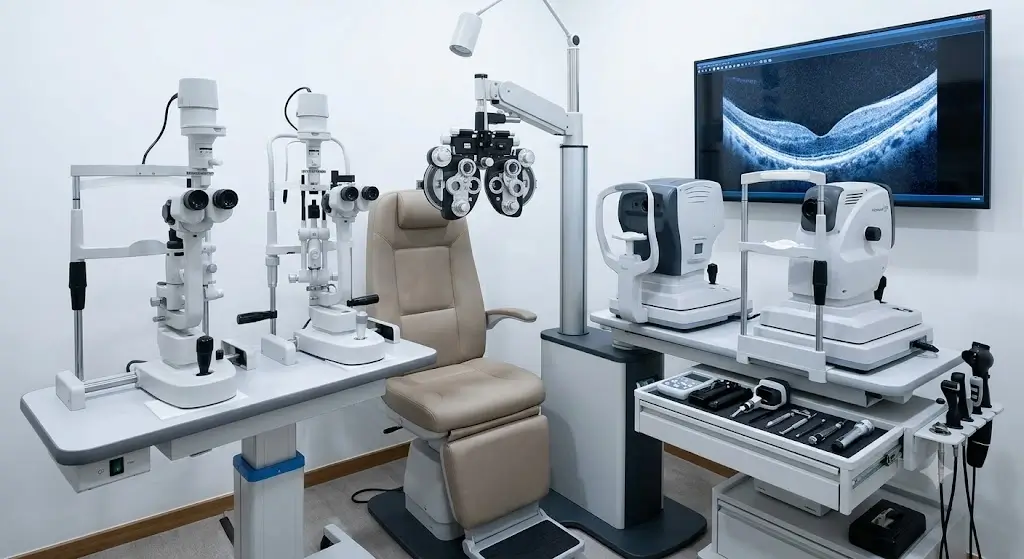
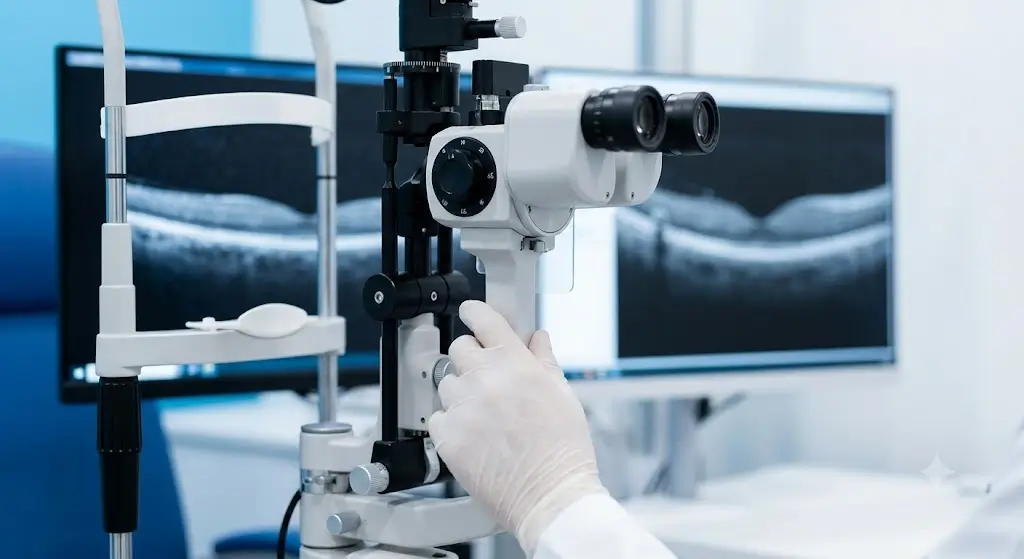
A: While both professionals perform thorough exams, a specialist’s examination often includes more advanced diagnostic imaging and is focused on uncovering and managing eye disease, in addition to checking vision. It is a medical consultation regarding your eye health.
Don’t Second-Guess Your Eye Health
If you’re experiencing symptoms that suggest a medical eye condition, or if you’ve been advised to seek specialist opinion, timely assessment is key. Let us provide the clarity and care you need.
Schedule a consultation with Dr Roy Tan today. You can book an appointment or submit an enquiry through our website. We’re here to help you see your way forward.