Epiblepharon Treatment and Surgery for Children in Singapore
Is your child constantly rubbing their eyes or blinking more than usual? These habits often stem from a common eyelid condition called Epiblepharon. It is common among East Asian children due to natural facial anatomy and lower eyelid structure during early development.. If left unmanaged, the inward-turning eyelashes associated with this condition can irritate the surface of the eye, potentially leading to discomfort and long-term vision problems.
What is Epiblepharon in Singapore?
Epiblepharon, also known as inverted eyelashes, is a congenital eyelid condition where a fold of skin pushes the eyelashes inward against the eye surface, commonly affecting Asian children.
How Epiblepharon Affects the Eye
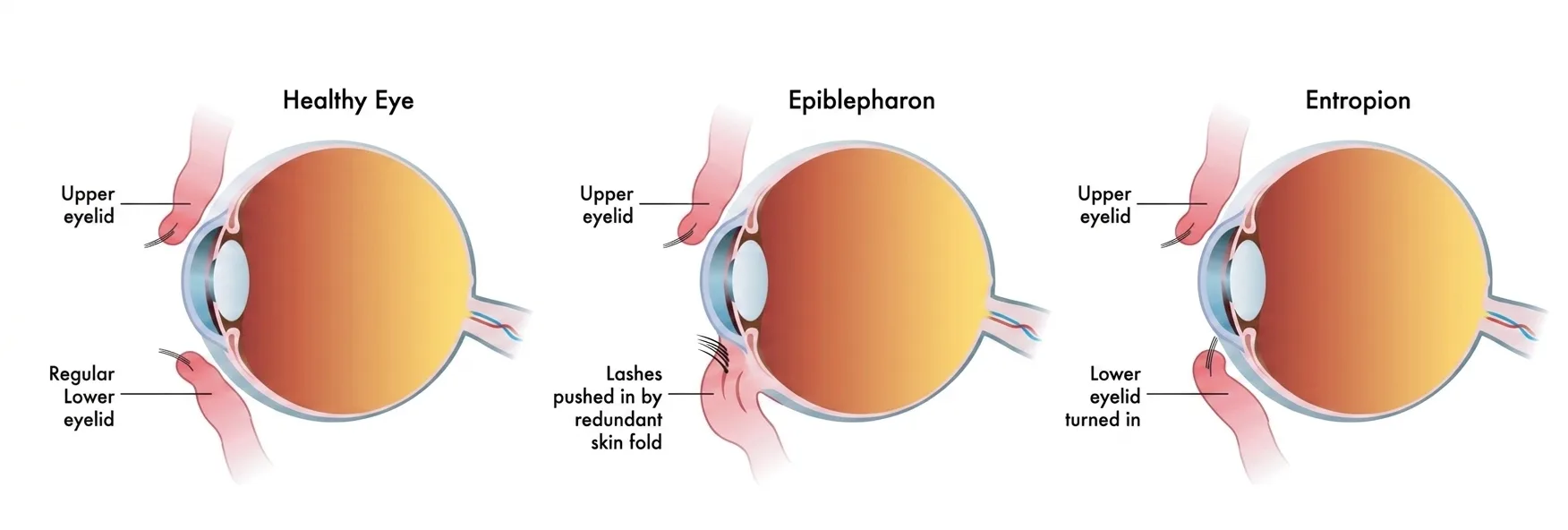
In a healthy eyelid, the orbicularis oculi muscle supports the lashes in a natural, outward-facing position. In cases of epiblepharon, this muscle and the overlying skin override the eyelid margin. This physical rotation forces the lashes to point toward the eye surface rather than away from it.
The resulting friction between the eyelashes and the globe of the eye can lead to:
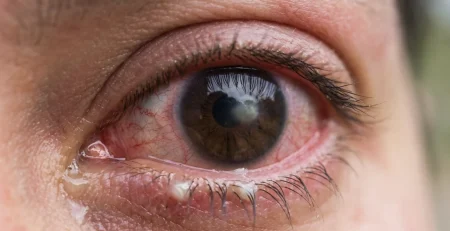
- Persistent eye irritation and redness.
- Increased tearing or discharge.
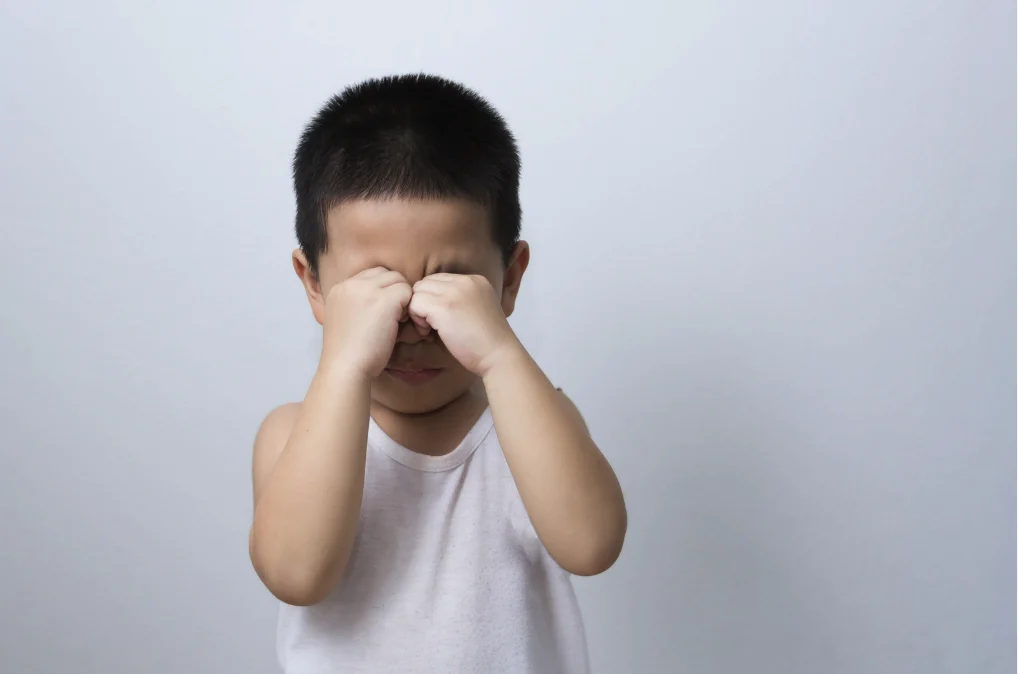
- Frequent rubbing of the eyes.
- Corneal scratches or scarring in severe, untreated cases.
Epiblepharon vs. Entropion: What is the Difference?
It is easy to confuse epiblepharon with entropion, but they are distinct conditions requiring different approaches. In epiblepharon, the eyelid margin itself remains in the correct position, but an extra fold of skin simply pushes the lashes inward. In contrast, Entropion involves the entire eyelid margin rotating inward, usually due to age related tissue laxity or scarring.
| Feature | Epiblepharon | Entropion |
Primary Cause | Extra skin and muscle fold | Inward rotation of eyelid margin |
Age Group | Primarily children and infants | Usually older adults |
| Anatomy | Eyelid margin is stable | Eyelid margin is unstable |
| Resolution | May improve with facial growth | Usually requires surgical intervention |
Common Epiblepharon Symptoms to Watch For
Recognising the signs of epiblepharon early can protect your child’s long-term vision. The symptoms range from subtle behavioural cues to visible physical changes.
Physical Signs of Inverted Eyelashes
The most direct sign is the visible contact between the eyelashes and the eye’s surface. Clinical signs include:
- Redness of the eye, particularly along the conjunctiva
- Persistent tearing (epiphora), even in the absence of crying or irritants
- A wet, glossy appearance around the eyes due to overflow of tears
- Visible lashes pressing against the cornea when the child looks downward
Parents often attribute these signs to allergies or infection. While these causes should always be ruled out, recurrent redness and tearing in an East Asian child with no clear allergic history warrants an assessment for epiblepharon.

Behavioural Indicators in Children
Children rarely describe their discomfort in clinical terms. Instead, parents should watch for:
- Frequent and forceful eye rubbing
- Habitual blinking or squinting
- Photophobia, an aversion to bright light or reluctance to go outdoors
- Irritability in bright environments
- Avoidance of reading or near tasks due to visual discomfort
The Risk of Corneal Keratopathy
When eyelashes rub against the eye, they cause mechanical trauma to the corneal epithelium. This condition is known as keratopathy. Over time, these tiny scratches can lead to more serious issues.
- Corneal scarring: Persistent irritation can cause permanent opaque marks on the cornea.
- Increased infection risk: Scratches provide an entry point for bacteria.
- Vision blurring: A damaged corneal surface cannot focus light properly.
- Astigmatism: The constant pressure of the skin fold can slightly alter the shape of the eyeball.
What Causes Epiblepharon?
Epiblepharon arises from a combination of developmental anatomy and genetic factors. Understanding why it occurs helps clarify who is at greatest risk and how it may evolve.
Genetics and Developmental Anatomy
Epiblepharon is a developmental condition occurring when eyelid skin and the orbicularis muscle fail to attach firmly to the structural tarsal plate. This lack of adhesion causes the tissue to fold upward, physically rotating the eyelashes toward the eye surface. The condition is largely hereditary, as facial bone structure and tissue distribution are influenced by genetics. While often resolving as the facial bridge matures, persistent cases require clinical monitoring to prevent corneal damage.
Do Babies Outgrow Epiblepharon?
Mild cases of epiblepharon can sometimes improve on their own as a child’s face and nasal bridge grow. However, waiting is only safe if the eyelashes are not rubbing against or damaging the clear front surface of the eye. If your child has eye discomfort, signs of scratches on the eye, or if the condition lasts past age seven, monitoring it at home is no longer enough. At this stage, it is best to see an eye specialist to check their vision and discuss safe next steps.
Epiblepharon Repair Surgery and Treatment Options in Singapore
Management of epiblepharon ranges from symptomatic relief measures for mild presentations to definitive surgical correction for cases causing corneal compromise. The right approach depends on the severity of the condition, the child’s age, and the degree of ocular surface involvement.
Conservative Management for Mild Cases
For infants and young children with mild epiblepharon and no corneal damage, a period of observation with supportive care may be appropriate. This typically involves:
- Lubricating eye drops to reduce friction and soothe the ocular surface
- Preservative-free artificial tear ointments applied at night
- Regular monitoring by an ophthalmologist to track any progression of corneal involvement
It is important to understand that these measures manage symptoms. They do not correct the underlying anatomical problem. If symptoms worsen or corneal keratopathy develops, surgical correction becomes necessary.
Surgical Realignment of the Eyelid
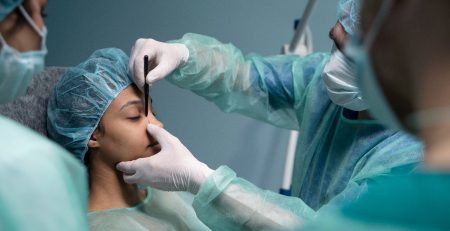
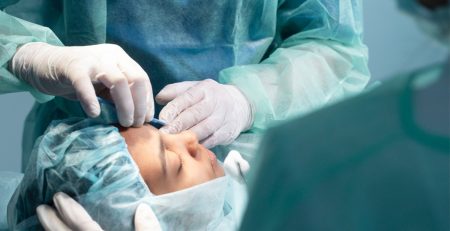
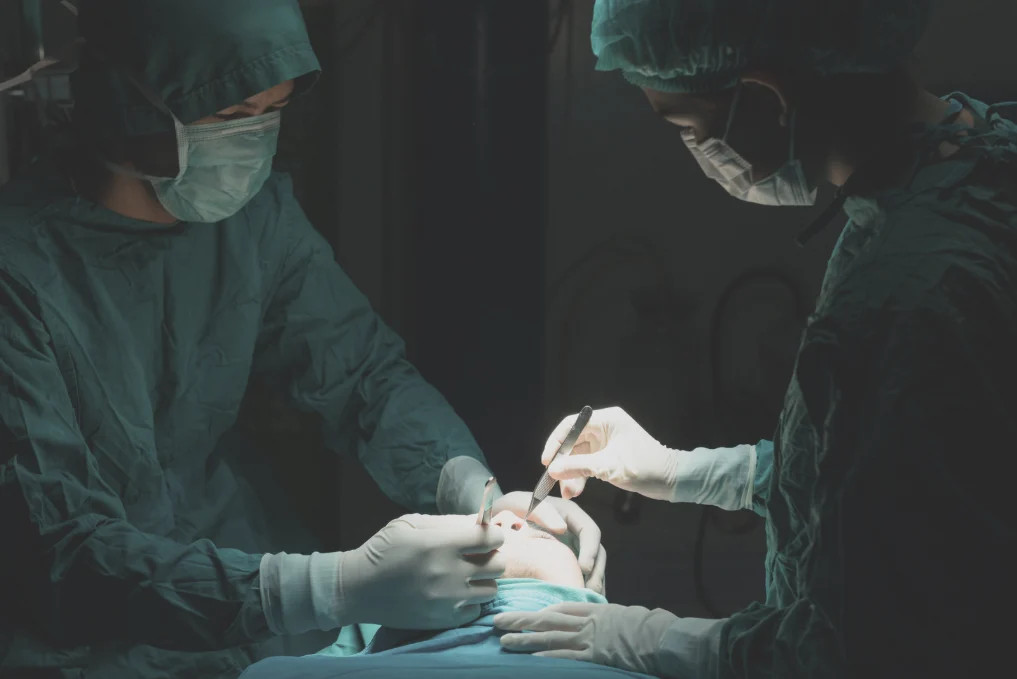
For cases requiring surgery, a procedure based on the modified Hotz technique treats the root cause by removing a small strip of extra skin and muscle from the lower eyelid. Done under general anaesthesia, the surgeon gently reshapes the area and uses fine stitches to redirect the eyelashes outward, away from the eye. The quick 30- to 45-minute procedure is planned along the natural lines of the eyelid to ensure any scarring is minimal and well-hidden.
Recovery After Epiblepharon Surgery
Here is what to expect during the healing and recovery process immediately following your child’s epiblepharon surgery.
- Swelling and Bruising: Post-operative swelling and mild bruising around the eyelids are normal and typically last for just a few days.
- Surgical Stitches: The surgeon uses ultra-fine stitches to close the incision line, which often dissolve naturally or are removed during a quick post-operative check.
- School and Activities: Children typically resume school and light daily routines very quickly, often within a week after the procedure. Strenuous activities and swimming should be paused for about three weeks.
- Follow-up Visits: Regular follow-up visits will be scheduled at the clinic to closely monitor the healing path and ensure the eyelashes are maintaining their healthy, outward-pointing position.
Frequently Asked Questions About Epiblepharon
What happens if epiblepharon is left untreated?
Untreated severe Epiblepharon can lead to permanent visual impairment due to chronic eyelash scratches against the cornea. This persistent friction often causes corneal scarring and inflammation, which may result in irreversible vision loss. Additionally, the resulting chronic pain and blurred vision can significantly hinder a child’s concentration and overall development. Early clinical intervention is essential to protect the eye surface and ensure long-term ocular health.
Is the surgery painful for children?
Patient comfort and safety are priority. The procedure is performed under general anaesthesia, ensuring the child feels no pain during surgery. Post-operative soreness or tightness is typically mild and easily managed with standard paediatric painkillers. Most children recover quickly, finding immediate relief from lash irritation far outweighs any temporary surgical discomfort.
Does epiblepharon cause astigmatism?
Yes. The extra skin fold and inward-turning lashes exert persistent pressure on the flexible cornea, which can misshape it and lead to astigmatism. Corrective surgery stops this mechanical progression. While some patients may see a slight improvement in their prescription after the pressure is removed, glasses may still be necessary if a refractive error was already established.
At what age should epiblepharon surgery be performed?
While mild cases are monitored up to the age of two or three to see if the child outgrows it, surgery is generally recommended if severe symptoms or corneal scratches persist beyond this stage. If the eyelashes are thick and causing keratopathy, an oculoplastic specialist may advise performing the procedure earlier to avoid long term structural damage to the eye.
Can lubricating eye drops fully cure epiblepharon?
No, eye drops and ointments cannot cure the condition because they do not change the physical structure of the eyelid. Lubricants are highly effective for managing irritation, soothing the corneal surface, and providing temporary relief.
Choosing an Ophthalmologist for Epiblepharon in Singapore
Dr Roy Tan is a fellowship-trained Oculoplastic and Orbital Surgeon. He holds several professional qualifications, including an MBBS (Singapore), MMed (Ophthalmology), FRCOphth (UK), and FAMS. Alongside his clinical practice, he is a Fellow of The Royal College of Ophthalmologists (UK) and shares his experience with medical students as a clinical lecturer at both NUS and the LKC School of Medicine.
Booking a consultation with Dr Roy Tan at Cornerstone Eye Centre gives you access to a specialist who focuses on eyelid conditions. Because his work involves eyelid anatomy, he can accurately identify whether your child’s epiblepharon is a mild case that can be safely monitored at home as they grow, or if a clinical treatment is needed to keep their eyes healthy.
Cornerstone Eye Centre operates from two conveniently located clinics in Singapore:
- Novena: 101 Irrawaddy Road, #13-08 Royal Square Medical Centre, Singapore 329565
- Mount Alvernia: 820 Thomson Road, #06-05 Mount Alvernia Medical Centre A, Singapore 574623
If you are concerned about your child’s eyelashes rubbing against their eye, book an appointment today for a clinical evaluation.
Take the Next Step
Early detection and treatment are crucial to safeguarding your vision from the irreversible damage.
Book the Comprehensive $88 Cataract & Glaucoma Screening.
Book a Cataract & Glaucoma Screening for $88
Don’t wait for symptoms to appear before taking action. Early detection is key to preserving your vision.
At Dr Roy Tan’s clinic, we offer a comprehensive Cataract & Glaucoma Screening for just $88. This screening is designed to assess your eye health thoroughly, identify any early indicators of glaucoma or cataracts, and discuss your personalised options if either condition is detected.