Glaucoma Screening in Singapore: Eye Tests, Costs & Early Detection
Published on: 09 September 2026
Glaucoma screening in Singapore involves a comprehensive series of painless eye tests designed to detect optic nerve damage before irreversible blindness occurs. Finding it early keeps your sight protected for the long term.
Key Takeaways
- Glaucoma causes irreversible vision loss without early symptoms, making proactive checks vital.
- Adults over 40, individuals with a family history of the disease, and those with high myopia (-6.00D and above) are highly vulnerable.
- A standard air puff test is not enough. Proper screening includes optic nerve imaging (OCT), visual field mapping, and eye pressure checks.
- Private eye clinics offer fast access and continuity of care, with screening packages starting at $88 at Cornerstone Eye Centre.
- Finding the disease early allows doctors to protect your remaining sight using eye drops, laser therapy, or minimally invasive procedures.
Why Early Glaucoma Screening is Essential in Singapore
Catching glaucoma early prevents permanent blindness. The disease often presents no early warning signs. Routine screening detects hidden pressure build ups and optic nerve damage before you notice any changes in your daily sight.
Understanding Irreversible Vision Loss
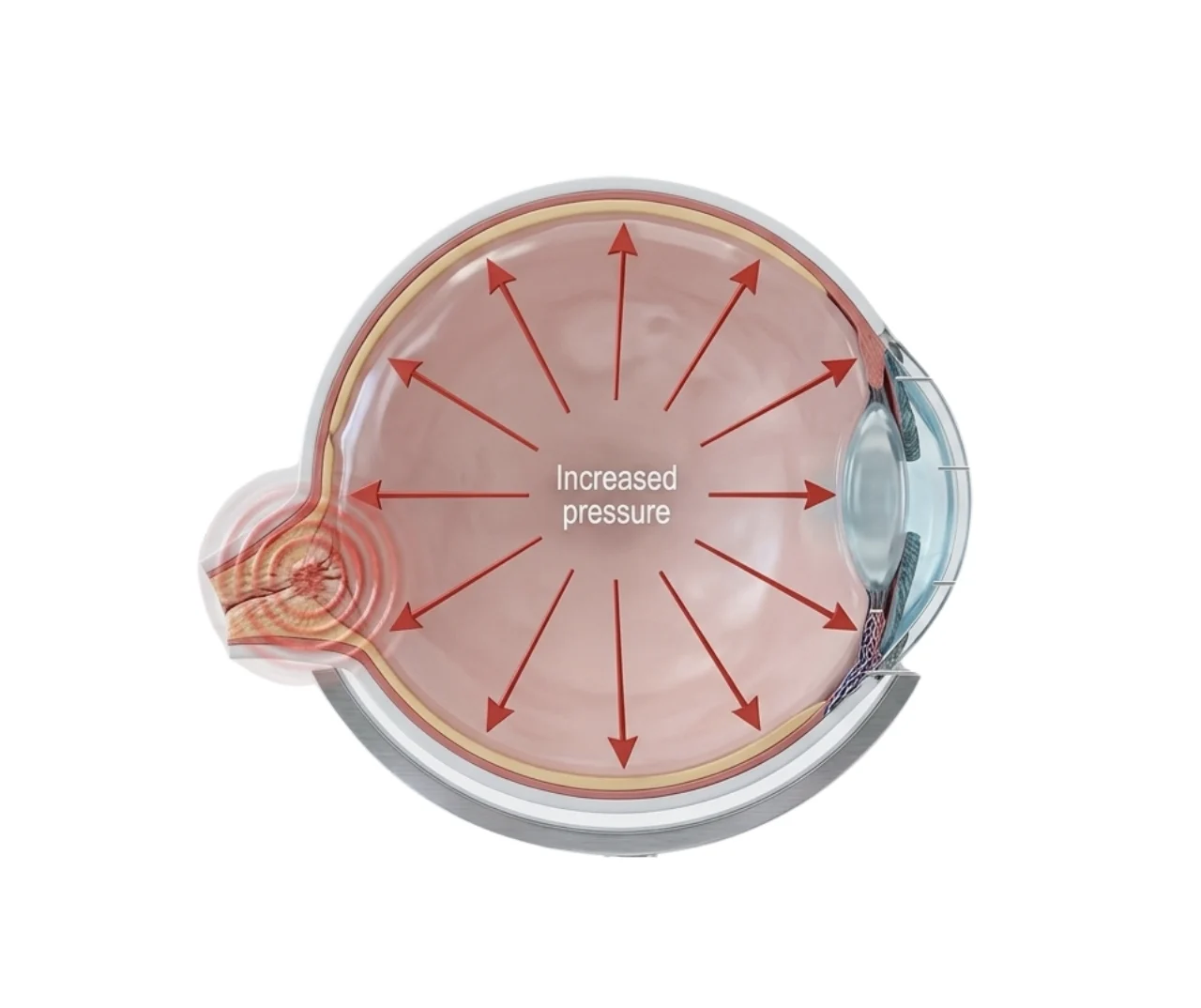
Glaucoma is notoriously called the “silent thief of sight” for a very good reason. It damages the optic nerve over time. You can think of the optic nerve as a crucial data cable connecting a digital camera to a computer. Once the internal wires begin to fray, the picture drops out permanently. Vision lost to glaucoma cannot be restored with glasses, medication, or surgery. The damage usually begins in your peripheral vision, meaning you might not notice the narrowing of your sight until the disease has reached an advanced stage. Early detection remains the only proven way to stop that fraying process and preserve your central vision for the future.
Normal-Tension Glaucoma: Why Normal Eye Pressure Isn’t Always Safe
Many people mistakenly believe that having normal eye pressure means they are safe from glaucoma. However, Normal-Tension Glaucoma (NTG) is a unique variation that is highly prevalent in Asian populations. With NTG, optic nerve damage and vision loss occur even though the intraocular pressure remains strictly within the “normal” range. This happens because the optic nerve itself may be unusually fragile or sensitive, or there may be underlying issues with blood flow to the eye. Relying solely on basic pressure checks will completely miss this condition. A thorough screening looks closely at the nerve structure itself rather than just the pressure numbers.
Angle-Closure Glaucoma: Why Asian Eyes Are at Higher Risk
Due to natural anatomical differences, Asian eyes frequently have shallower anterior chambers and narrower drainage angles. This specific structural trait puts individuals at a much higher risk for Angle-Closure Glaucoma. In this condition, the eye’s natural drainage system can become suddenly or chronically blocked. When fluid cannot escape, eye pressure spikes rapidly. This can lead to acute attacks causing severe eye pain, headaches, nausea, and rapid vision loss. Regular eye screening allows specialists to map the exact shape of your drainage angles and identify narrowing before an emergency blockage ever occurs.
Who Needs Screening? Key Risk Factors & High-Risk Groups
Certain genetic and lifestyle factors increase your risk of developing glaucoma. Regular assessments are highly recommended for individuals over 40, those with high myopia, and patients with a family history of eye disease.
Age, Genetics, Diabetes, and High Myopia (-6.00D+)
Understanding your personal risk profile helps you take proactive steps. You should strongly consider scheduling a screening if you fall into any of the following categories:
- Age over 40: The risk of elevated eye pressure increases naturally as we age.
- Family History: Having a parent or sibling with glaucoma dramatically increases your own risk profile due to shared genetics.
- High Myopia: Individuals with severe short sightedness (a prescription of -6.00D or higher) have stretched and thinned eye structures, making the optic nerve more vulnerable.
- Underlying Health Conditions: Systemic conditions such as diabetes, high blood pressure, and cardiovascular disease restrict healthy blood flow to the optic nerve.
- Previous Eye Injuries: Past trauma or prolonged use of corticosteroid medications can trigger secondary glaucoma years later.
Recommended Screening Frequency Guidelines (Age 40+ vs. High Risk)
Healthy adults with no known risk factors should establish a baseline eye examination at age 40. Starting from age 40 onwards, annual screenings are recommended. However, if you possess any of the high risk factors mentioned above, your ophthalmologist will likely recommend annual checks starting much earlier in life. Frequent monitoring ensures that microscopic changes are caught the moment they appear.
5 Essential Tests in a Comprehensive Glaucoma Assessment
A complete assessment goes far beyond a basic air puff test. Eye specialists use five specific diagnostic tools to measure eye pressure, map peripheral vision, and scan the optic nerve for micro changes.
1. Tonometry & Pachymetry: Eye Pressure & Corneal Thickness Measurement
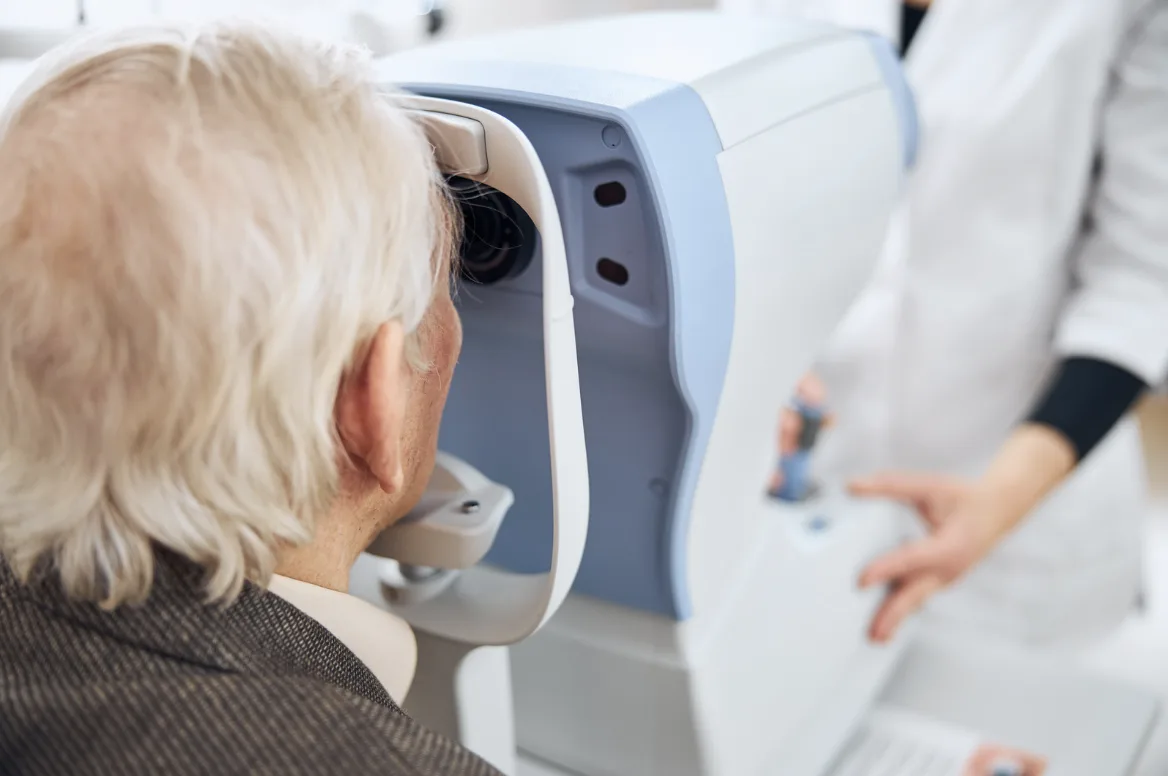
Tonometry is the standard method used to measure your intraocular pressure. While the familiar “air puff” is one way to do this, specialists often use a more precise tool that gently touches the surface of a numbed eye. Pachymetry measures the exact thickness of your cornea. A thinner cornea can cause pressure readings to appear artificially low, masking a real problem. Combining these two tests gives your doctor a highly accurate picture of the true pressure inside your eye.
2. Gonioscopy: Evaluating the Eye’s Drainage Angle
To determine if your glaucoma is the open angle or closed angle variety, the doctor must inspect the actual drainage mechanism of your eye. Gonioscopy involves placing a special mirrored contact lens on the surface of the numbed eye. This acts like a tiny periscope, allowing the ophthalmologist to look directly into the deep anatomical corners where fluid drains. It is a painless procedure that takes only a few minutes but provides crucial diagnostic clarity.
3. High-Resolution Optical Coherence Tomography (OCT): Optic Nerve Head Imaging
OCT is a remarkable, non invasive imaging technique that uses light waves to take cross sectional pictures of your retina and optic nerve. It works very much like an ultrasound but uses light instead of sound. This machine measures the exact thickness of the nerve fibre layers down to the micron. It detects incredibly subtle thinning and structural damage years before you would ever notice a change in your vision.
4. Visual Field Mapping: Detecting Peripheral Vision Loss
Because glaucoma steals your side vision first, a visual field test is essential. During this test, you will look straight ahead into a bowl shaped machine and press a button every time you see a small flash of light in your periphery. The computer then generates a map of your visual sensitivity. This helps the doctor identify blind spots that have already formed, confirming the functional impact of any detected nerve damage.
5. Slit-Lamp Examination & Dilated Fundus Exam
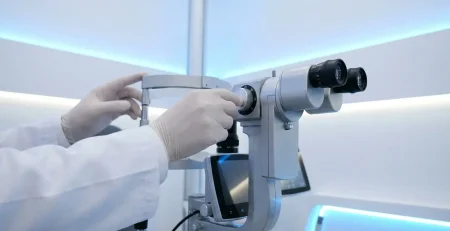
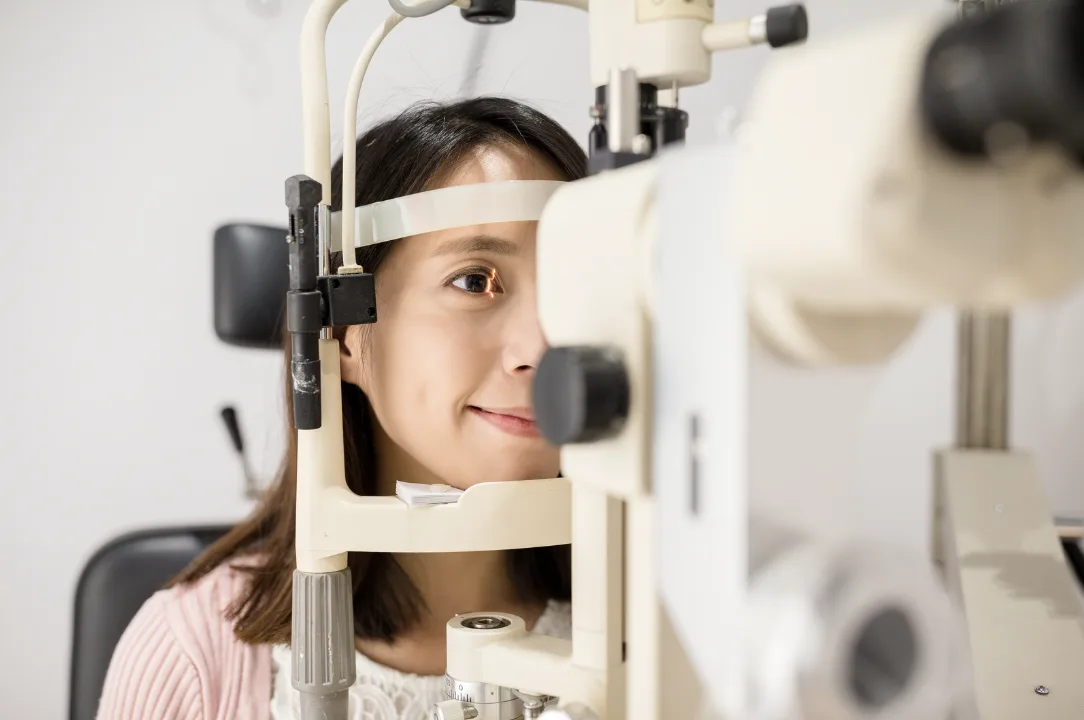
A slit lamp is a specialised microscope that allows the doctor to examine the structures at the front of your eye under high magnification. To view the back of your eye, the doctor will administer dilating eye drops. Once your pupils are fully widened, the specialist shines a bright light to examine the colour, shape, and overall health of the optic nerve head in stereoscopic 3D.
Preparing for Your Screening: What to Expect
Getting tested is a straightforward and painless process. Understanding how eye dilation works and knowing what to bring will help your appointment proceed smoothly and comfortably.
Eye Dilation: Driving, Blurred Vision & Recovery Times
The dilating eye drops used during your examination take about 20 to 30 minutes to take full effect. Once your pupils are widened, you will experience blurry near vision and an increased sensitivity to bright light. These effects typically last between four to six hours. Because your vision will be temporarily compromised, you must not drive yourself home after the appointment. Bring a pair of dark sunglasses to reduce glare when you leave the clinic, and arrange for a family member or a taxi to transport you safely.
Appointment Duration & What to Bring
A comprehensive glaucoma assessment usually takes between one to two hours, factoring in the time required for the dilating drops to work. To ensure an accurate medical review, you should bring your current prescription glasses, a list of any systemic medications or eye drops you are currently using, and details of your family medical history. Wearing comfortable clothing and having a light meal beforehand can also make the waiting periods more pleasant.
Glaucoma Screening Costs & Subsidies in Singapore
In private eye clinics, fees typically range from $80 to $300+, with costs tied to specialist expertise and diagnostic imaging requirements. Choosing private care provides direct choice of your preferred specialist alongside prompt appointment scheduling. To provide transparent pricing, clinics often offer fixed-rate packages, such as the $88 Cataract and Glaucoma Screening package at Cornerstone Eye Centre. This package includes, covering a visual acuity test, an intraocular eye pressure check, an optic nerve screening, fundus photography (retina photo), and a direct consultation with a specialist ophthalmologist.
MediSave, CHAS, and Insurance Coverage Explained
Managing healthcare costs in Singapore is made easier through various financial schemes. While MediSave cannot typically be used for basic health screening, it can be utilised if your doctor diagnoses a medical condition that requires minor surgical procedures or laser treatments for glaucoma. Patients holding a Community Health Assist Scheme (CHAS) card may receive subsidies for consultations at participating clinics. Furthermore, many comprehensive corporate or private health insurance policies cover diagnostic eye assessments if you have a referral for a specific symptom or pre existing condition. Always check with your insurance provider prior to your visit.
Transparency Spotlight: The $88 Screening Package at Cornerstone Eye Centre
Standard diagnostic evaluations are structured to assess intraocular pressure, examine optic nerve integrity, and evaluate the anterior and posterior segments of the eye.
At Cornerstone Eye Centre, preventive care is available through a structured Cataract and Glaucoma Screening package priced at a fixed rate of $88. This package incorporates a specialist consultation along with visual acuity testing, intraocular pressure measurement, optic nerve evaluation, and high-resolution fundus photography to detect early structural changes. Fixed-rate clinical packages ensure patients receive comprehensive baseline assessments with full fee transparency.
Frequently Asked Questions
Is an air puff test enough to check for glaucoma?
No, an air puff test alone is inadequate. It only measures eye pressure, which is just one piece of the puzzle. It completely misses Normal-Tension Glaucoma. A proper diagnosis requires examining the optic nerve directly through dilated pupils and using advanced imaging like OCT.
Can glaucoma be prevented if detected early?
While the onset of the disease cannot be strictly prevented, severe vision loss absolutely can be. Early detection allows doctors to lower your eye pressure through medication or laser treatments, halting the progression of the disease before it affects your daily life.
Can I use Medisave for my glaucoma test?
Routine health screenings are generally not claimable under Medisave. However, if your doctor finds an abnormality and proceeds to perform a minor surgical intervention or laser therapy (like Selective Laser Trabeculoplasty) to manage the condition, a portion of those specific treatment costs can be claimed.
What If Early Glaucoma is Detected?
A positive diagnosis is not a guarantee of blindness. Modern medicine offers highly effective treatments to halt disease progression and preserve your remaining field of vision.
Secondary Staging & Monitoring
If your tests indicate the presence of glaucoma, the immediate next step is staging the disease to understand its severity. Your doctor will classify it as early, moderate, or advanced based on your visual field maps and optic nerve scans. Frequent monitoring becomes paramount at this stage. You will likely need follow up appointments every three to six months to track the disease’s progression. This close surveillance allows your ophthalmologist to adjust your target eye pressure and modify your treatment plan dynamically.
Evidence-Based Treatments: Eye Drops, Selective Laser Trabeculoplasty (SLT) & MIGS
The primary goal of all glaucoma treatments is to lower the pressure inside your eye.
- Prescription Eye Drops: These are usually the first line of defence, working by either decreasing fluid production or increasing fluid drainage.
- Selective Laser Trabeculoplasty (SLT): A painless, outpatient laser procedure that cleans out the eye’s natural drainage channels, often reducing the need for daily eye drops.
- Minimally Invasive Glaucoma Surgery (MIGS): For patients requiring more intervention, MIGS involves implanting microscopic stents to bypass drainage blockages, offering a safer alternative to traditional, complex eye surgeries.
Take the Next Step Towards Protecting Your Sight
If you are experiencing any of these symptoms and your quality of life is affected, the next crucial step is a comprehensive eye examination with an experienced ophthalmologist. Consult Dr Roy Tan at Cornerstone Eye Centre in Novena and Mount Alvernia to discuss your vision and treatment options. Book your consultation today to take control of your eye health.
Take the Next Step
Early detection and treatment are crucial to safeguarding your vision from the irreversible damage.
Book the Comprehensive $88 Cataract & Glaucoma Screening.
Book a Cataract & Glaucoma Screening for $88
Don’t wait for symptoms to appear before taking action. Early detection is key to preserving your vision.
At Dr Roy Tan’s clinic, we offer a comprehensive Cataract & Glaucoma Screening for just $88. This screening is designed to assess your eye health thoroughly, identify any early indicators of glaucoma or cataracts, and discuss your personalised options if either condition is detected.