
Eye Twitching Treatment Singapore: Causes & Expert Care
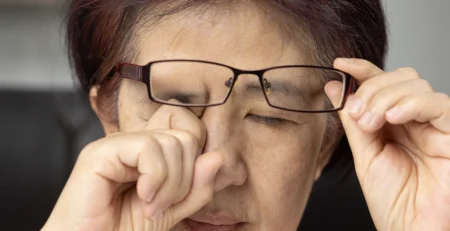
That persistent, rhythmic tugging on your eyelid often starts at the most inconvenient moment. While most eye twitches are harmless, a spasm that refuses to quit can be frustrating. The first step toward relief is figuring out if that twitch is just a lifestyle quirk or something more serious.
What is Eye Twitching?
Eye twitching involves involuntary, repetitive spasms of the eyelid muscles, usually the upper lid. Most cases are temporary and resolve with rest, but chronic spasms may indicate an underlying ocular or neurological condition that requires professional attention.
Is Eye Twitching Common in Singapore?
In a fast paced city like Singapore, eye strain is a frequent complaint. Many residents spend over nine hours a day on digital devices, which places immense pressure on the visual system. This high screen use environment makes eyelid spasms a common occurrence in local clinics. The high stress and lack of sleep common in city life are the main causes of eye twitching.
The Anatomy of an Eyelid Spasm
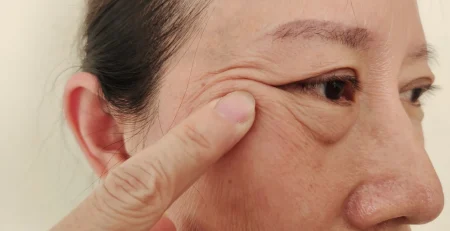
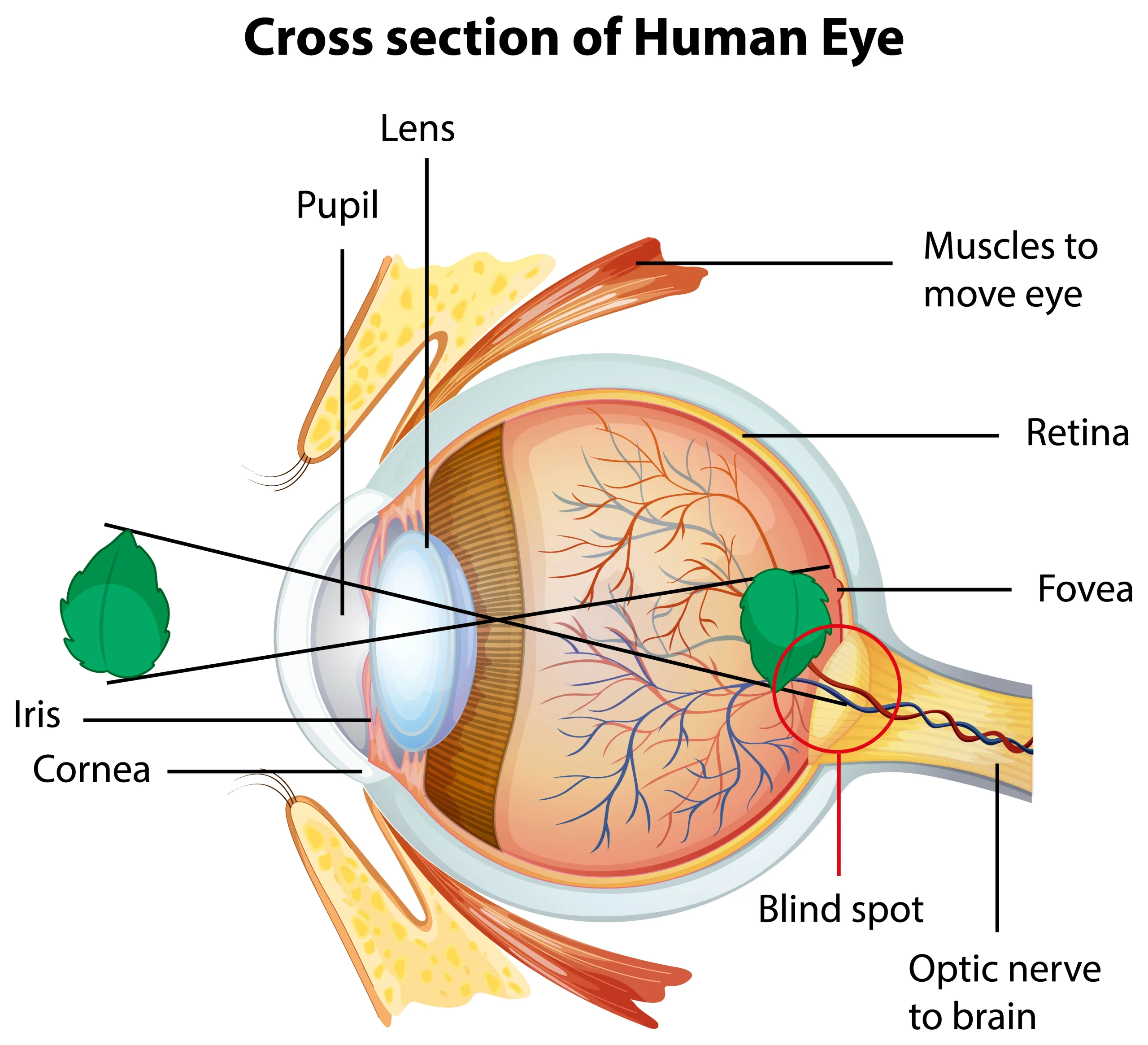
Eye twitching occurs when nerves overstimulate the orbicularis oculi, which is the muscle that closes your eyelid. Because the surrounding skin is so thin, you can easily see and feel even the smallest muscle spasms.
Recognising Eye Twitching Symptoms
Symptoms of eye twitching can range from a barely perceptible flutter to forceful closures of the eyelids. Clear details about your symptoms help a specialist choose the best treatment for your eyes.
Eyelid Twitching: Mild vs. Severe
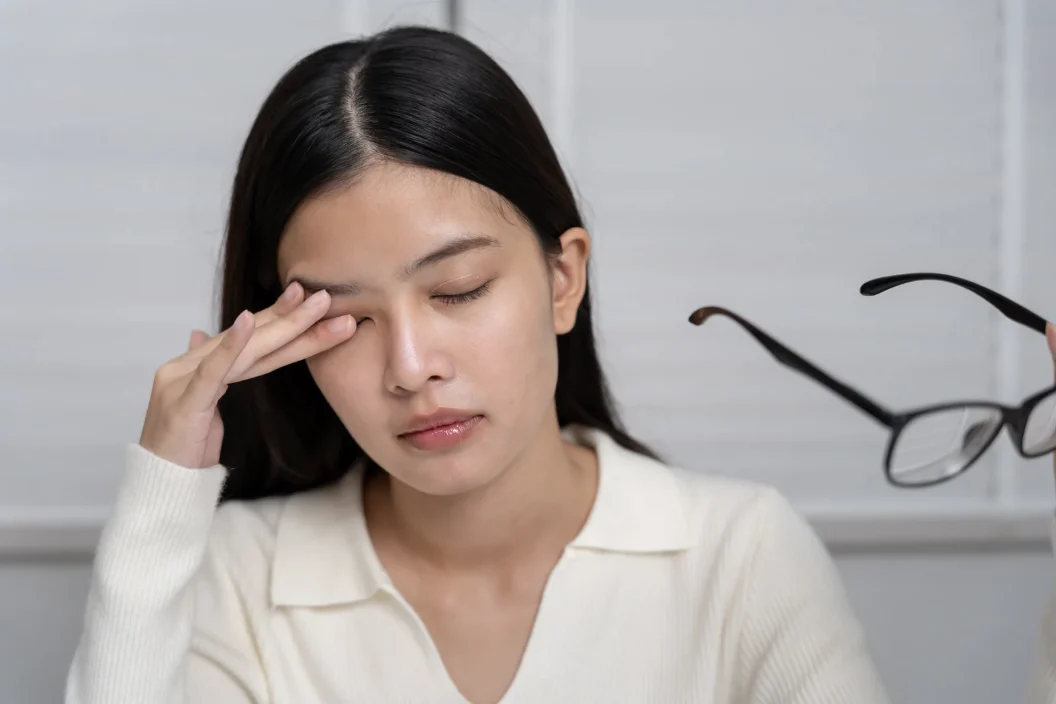
Myokymia and Blepharospasm are two of the most common medical terms for eye twitching. Here is a breakdown of their different symptoms and experiences:
| Feature | Mild Twitch (Myokymia) | Severe Spasm (Blepharospasm) |
| Sensation | Gentle pulsing or jumping feeling. | Intense, forceful contractions. |
| Duration | Intermittent; comes and goes. | Can hold the eye closed for several seconds. |
| Impact on Vision | None; vision remains clear. | Can make it difficult to see or keep eyes open. |
| Frequency | Occasional and brief. | Frequent enough to interfere with daily life. |
| Medical Status | Minor annoyance (usually stress/sleep). | Functional issue requiring medical review. |
Accompanying Ocular Discomfort
Eye twitching rarely happens in total isolation. Many patients report additional symptoms such as:
- Increased light sensitivity or photophobia.
- A gritty sensation mimics the presence of sand or a foreign body in the eye.
- Excessive tearing or, conversely, a feeling of extreme dryness.
- The condition triggers frequent, forced blinking that lacks a natural rhythm. These symptoms often point toward dry eye syndrome as a secondary trigger for the muscle spasms.
Physical Signs of Chronic Conditions
Twitching that extends to the eyebrow, cheek, or mouth warrants further investigation for a potential hemifacial spasm. Unlike common eyelid myokymia, this condition involves multiple muscles governed by the facial nerve. This condition is also usually one sided. Identifying these expanded physical changes early is essential for an accurate diagnosis during a clinical consultation.
Common Causes and Risk Factors of Eye Twitching
Many cases of eye twitching in Singapore are directly linked to office fatigue. Environmental and lifestyle demands in the modern office often lead to physical and visual fatigue.

Digital Eye Strain (Computer Vision Syndrome)
Prolonged screen time leads to Computer Vision Syndrome, characterised by:
- Reduced Blinking: Your blink rate drops by nearly 50% when staring at screens.
- Dryness: Rare blinking causes the tear film to evaporate, irritating the eye surface.
- Muscle Fatigue: The orbicularis oculi muscle tires from constant focusing, eventually triggering a persistent twitch.
Lifestyle Triggers: Kopi & Sleep Deprivation
Singapore’s high-performance culture often relies on two major twitch-triggers:
- Caffeine Overload: Excess caffeine (from local kopi or espresso) acts as a stimulant that spikes nerve sensitivity.
- Lack of Sleep: Without restorative rest, the nervous system becomes hyper-reactive.
- Result: A “classic recipe” for eyelid myokymia that typically flares up at the start of the work week.
Environmental Stressors: Air-Con & Dry Eyes
Office environments (especially in hubs like Novena or the CBD) contribute significantly to eye irritation:
- Dehydration: Heavy air-conditioning strips moisture from the air and dehydrates the ocular surface.
- Defensive Reflex: An inadequate tear film forces the eye to twitch as a defensive reflex while it attempts to moisten the cornea.
When to Seek Help from an Oculoplastic Surgeon for Eye Twitching
Knowing when to transition from home remedies to professional care is vital. Most twitches are temporary, but certain symptoms indicate a need for medical intervention.

The Two-Week Rule
A standard rule of thumb is the two-week mark. If your eye twitching persists every day for more than 14 days, it is no longer a temporary reaction to a late night. Persistent spasms indicate a chronic trigger or a cycle of nerve overstimulation that requires medical treatment.
Red Flags: Drooping Eyelids and Vision Changes
Specific red flag symptoms that require an urgent visit to an eye specialist:
- Ptosis, which is a visible drooping of the upper eyelid.
- Any sudden change in your clarity of vision or blurred vision.
- The eye becomes red, swollen, or producing unusual discharge.
- The eyelid closes completely with every twitch. These signs may suggest a more complex neurological or structural issue rather than simple fatigue.
When the Spasm Spreads
If the involuntary movements begin to affect other parts of your face, you should seek help immediately. When spasms reach the cheek or jaw, they often signal pressure on the facial nerve. Early treatment is essential to manage spasms and prevent long-term facial nerve issues.
Eye Twitching Treatment Options at Cornerstone Eye Centre
Treatment for eye twitching focuses on identifying the root cause and providing targeted relief. At Cornerstone Eye Centre, Dr Roy Tan offers various medical solutions to help patients regain control over their eyelid movements and ocular comfort.
Medical Botulinum Toxin Injections for Eyelid Spasms
For patients suffering from chronic blepharospasm or hemifacial spasms, Botulinum toxin is a primary medical treatment. Tiny, targeted injections block the nerve signals responsible for muscle spasms. The effect usually lasts for three to four months. This standard procedure eliminates the distraction of constant blinking, allowing for a seamless return to daily life.
Advanced Dry Eye Management
Since dry eyes are a frequent trigger for eye twitching, managing the ocular surface is essential. Treatment may include:
- Prescription grade lubricating eye drops that provide longer lasting relief than over the counter options.
- Anti-inflammatory eye drops to reduce surface swelling.
- Specialised clinical procedures to unblock oil glands in the eyelids. Improving the quality of your tears often leads to a natural reduction in the frequency of eyelid spasms.
Frequently Asked Questions About Lazy Eye
Can magnesium supplements stop my eye from twitching?
Magnesium plays a role in muscle relaxation and nerve function. If you have a deficiency, a supplement might help reduce muscle cramps and twitches. However, it is important to consult with a GP or an eye specialist before starting supplements. While magnesium helps some, it cannot resolve twitching that stems from digital strain or neurological factors.
Will my eyelid twitch ever go away permanently?
Eliminating triggers such as caffeine or sleep deprivation typically stops lifestyle-induced eye twitches. For chronic conditions like Blepharospasm, the goal of treatment is long term management rather than a one time cure. Consistent care and targeted medical treatments effectively manage symptoms, ensuring they do not disrupt your daily life.
Is botulinum toxin for eye twitching covered by insurance in Singapore?
These injections are a medical necessity for stopping severe twitches, rather than a cosmetic choice. Coverage depends entirely on your specific integrated shield plan or corporate insurance policy. It is best to check with your provider and the clinic staff to understand your eligibility for claims.
Take the Next Step
Early detection and treatment are crucial to safeguarding your vision from the irreversible damage caused by glaucoma.
Book the Comprehensive $88 Cataract & Glaucoma Screening.
Book a Cataract & Glaucoma Screening for $88
Don’t wait for symptoms to appear before taking action. Early detection is key to preserving your vision.
At Dr Roy Tan’s clinic, we offer a comprehensive Cataract & Glaucoma Screening for just $88. This screening is designed to assess your eye health thoroughly, identify any early indicators of glaucoma or cataracts, and discuss your personalised options if either condition is detected.