
Corneal Ulcer in Singapore: Diagnosis and Treatments
Have you noticed a sharp, persistent pain in your eye or a tiny white spot on the clear surface? These symptoms often point to a corneal ulcer. This condition is a medical emergency that demands immediate attention to prevent severe vision loss.
Medical Disclaimer: A corneal ulcer is a time-critical ocular emergency. It will not heal on its own and requires prompt medical attention from a qualified ophthalmologist to prevent permanent vision loss. If you are experiencing severe eye pain, redness, or discharge, please seek immediate medical care.
What is a Corneal Ulcer in Singapore?
An open sore on the clear front surface of your eye is a highly progressive condition. While it might feel like a minor scratch at first, it’s actually much more serious. By understanding how an ulcer forms and catching the earliest red flags, you can take action quickly and protect your vision before a minor issue becomes a major problem.
Identifying the Earliest Symptoms of a Corneal Ulcer
The condition occurs when the cornea sustains an open sore. Catching the infection early can save your vision. Patients often notice a grey or white spot on the cornea first. Blurry vision quickly follows as the infection takes hold. Severe eye pain, photophobia (sensitivity to light), and intense eye redness are typical. You might also experience watery discharge, pus, and a constant foreign body sensation.
| Earliest Warning Signs | What It Feels/Looks Like | Urgent Action Required? |
| Sharp Ocular Pain | Severe discomfort, often described as a scratchy, relentless ache. | Yes. Seek an ophthalmologist immediately. |
| Visible Corneal Spot | A tiny grey or white speck on the clear part of the eye. | Yes. Indicates active infiltration or ulceration. |
| Extreme Photophobia | Intense sensitivity to light, making it difficult to open the eye. | Yes. Signals deep corneal nerve involvement. |
| Abnormal Discharge | Thick pus or continuous watery tearing from one eye. | Yes. Suggests an active bacterial or fungal infection. |
Is an Open Sore Corneal Ulcer Worse Than a Corneal Abrasion?
While both affect the eye, an open sore or an infected ulcer is a more severe condition than a corneal abrasion. An abrasion is a superficial scratch on the surface of the eye that typically heals quickly without lasting issues. However, if bacteria infect that scratch, it can develop into an ulcer. It involves an active infection and tissue loss. If left untreated, the infection can penetrate deeper layers, creating a risk of permanent scarring or serious structural damage to the eye.
The Four Pathology Stages Explained
The evolution of a microbial corneal ulcer follows a specific chronological path.
- Stage of Infiltration: White blood cells migrate into the cornea to fight invading pathogens. This process causes a hazy spot to appear.
- Stage of Active Ulceration: The epithelial tissue begins to break down and shed. This creates the open sore characteristic of a corneal ulcer.
- Stage of Regression: The body’s immune defences or antimicrobial treatments start controlling the infection. The boundaries of the ulcer become distinct and clear.
- Stage of Cicatrization (Healing): New epithelium grows over the gap. The area is filled with varying degrees of permanent scar tissue, such as a nebula, macula, or leucoma, depending on the ulcer’s depth.
What Causes a Corneal Ulcer in Singapore?
Several factors cause a corneal ulcer, ranging from aggressive bacterial infections to physical trauma. Identifying the exact root cause is essential for formulating an effective, targeted medical treatment plan to save the eye.

Bacterial, Fungal, and Viral Infections of the Cornea
Infectious micro-organisms are the leading culprits behind a corneal ulcer in clinical environments across Singapore.
- Bacterial: Pseudomonas aeruginosa is a frequent and highly aggressive bacterial cause. It progresses very rapidly and requires immediate medical intervention.
- Viral: The Herpes Simplex Virus (HSV) and Varicella Zoster Virus (VZV) often cause viral ulcers. These can manifest as branching dendritic ulcers and tend to recur over time.
- Fungal: Fungal infections often follow organic trauma, such as a scratch from a plant branch. Fusarium and Aspergillus species are common triggers for a fungal corneal ulcer.
Eye Injuries, Scratches, and Chemical Trauma
Your cornea relies on a healthy, unbroken outer layer for protection. However, minor everyday accidents like a fingernail scratch, a makeup brush mishap, or airborne dust can easily disrupt this protective barrier. Once this surface is compromised, bacteria and other environmental pathogens can quickly enter the deeper layers of the eye. Without prompt attention, a simple scratch can rapidly develop into a serious corneal ulcer.
Can Eye Ulcers Be Caused by Stress and Immune Fluctuations?
High emotional stress or illness does not directly cause a bacterial ulcer, but it does weaken your body’s immune system. When your natural defenses drop, latent viruses resting in your nervous system can reactivate. For example, the Herpes Simplex Virus frequently resurfaces during stressful periods, which can lead to recurring viral corneal ulcers.
Who Is at Risk of a Corneal Ulcer in Singapore?
Certain lifestyle habits and anatomical conditions greatly increase the risk of developing a corneal ulcer. Contact lens wearers with poor hygiene and individuals suffering from eyelid misalignments face the highest level of vulnerability.
Contact Lens Wearers and Improper Lens Hygiene Risks
Contact lens wearers represent the largest group affected by corneal ulcers in developed cities like Singapore. Poor lens habits significantly increase your risk of infection. For instance, sleeping in lenses deprives your eyes of oxygen, while swimming or showering in them exposes you to waterborne parasites like Acanthamoeba. Similarly, rinsing your lens cases with tap water or wearing lenses past their expiry date introduces harmful bacteria. If you ever experience eye redness or soreness, remove your lenses immediately and seek medical help.
Patients with Eyelid Disorders Like Ectropion and Entropion
Structural eyelid abnormalities compromise corneal health and require specialised oculoplastic care.
- Entropion: This inward turning of the eyelid causes eyelashes to constantly rub against the cornea. The chronic micro-abrasions easily become infected, leading to a corneal ulcer.
- Ectropion: An outward turning lid prevents complete eyelid closure. This exposes the central cornea to severe drying and subsequent tissue breakdown.
Treating the ulcer without correcting the underlying eyelid architecture results in a high risk of recurrence. Dr Roy Tan provides subspecialty expertise in oculoplastics to address these root causes.
Severe Dry Eye Disease and Ocular Surface Vulnerability
Chronic, unmanaged severe dry eye disease deprives the cornea of its essential nourishing tear film. The tear layer contains crucial antibodies and nutrients. Without it, the surface cells undergo desiccation. This severe dryness leads to sterile melting or secondary bacterial infections. The compromised surface integrity allows pathogens to establish a foothold easily, precipitating a corneal ulcer.
Treatments for Corneal Ulcer in Singapore
Eye specialists focus on finding the exact biological or physical root cause and taking quick, powerful action. Treatments range from intensive custom eye drops to specialised surgical interventions to eliminate the infection and protect the eye.
Specialised Antimicrobial Eye Drops and Medicated Regimens
Standard non-surgical clinical interventions are tailored after a comprehensive slit-lamp examination using fluorescein dye.
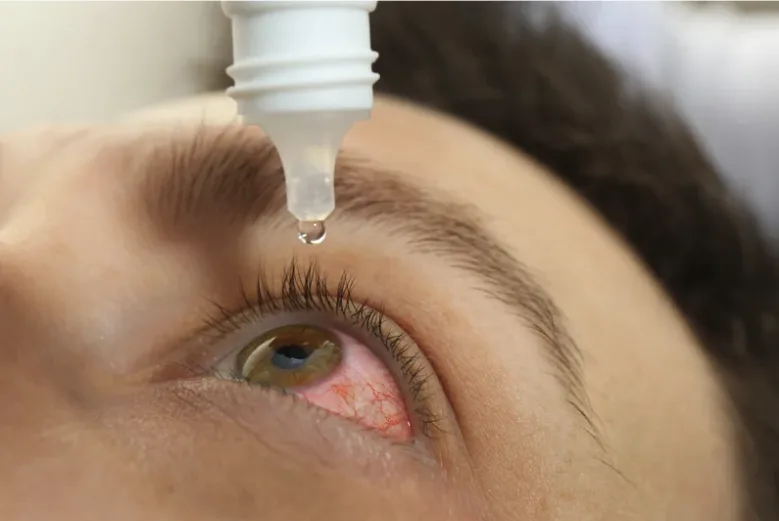
- Intensive Topical Antibiotics: In severe cases, antibiotic drops are administered around the clock, sometimes every hour.
- Antifungal or Antiviral Drops: These medications are tailored precisely to target the identified pathogen.
- Corticosteroid Drops: These are introduced very carefully under strict medical supervision only after the infection is fully controlled. They help to minimise permanent scarring that could obscure vision.
Surgical Interventions and Correcting Underlying Eyelid Deficiencies
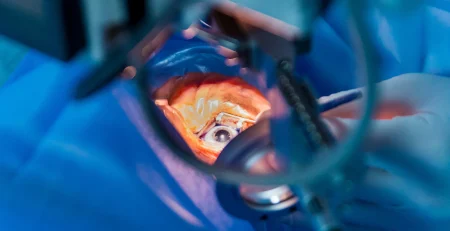
When medication alone is not enough, surgical options may be necessary to protect your vision. If a physical issue with the eyelid is causing the problem, eyelid malposition surgery can help. Dr Roy Tan performs precise oculoplastic procedures to gently tighten the lower eyelid or correct the orientation of the eyelashes, removing the friction that irritates the eye. In advanced cases where there is a risk of severe corneal damage or deep scars that block your sight, coordinates can be made for advanced interventions like a corneal transplant to restore clarity and comfort.
When Does an Ocular Emergency Require Hospitalisation?
Some severe infections require care beyond a standard clinic visit. A large or deep corneal ulcer can threaten your sight, especially if it risks perforating the eye or causes a hypopyon (pus accumulation inside the front chamber). Furthermore, because these advanced cases often require medicated drops every hour throughout the night, hospital admission is necessary so a medical team can provide the intensive, around-the-clock treatment needed to save your eye.
Frequently Asked Questions About Corneal Ulcer
How long does a corneal ulcer take to heal?
Small, superficial ulcers treated early may begin to epithelise within a few days to a week. However, deep structural stromal ulcers require a much longer recovery period. They can take several weeks or months to stabilise. These deeper infections often leave behind a residual scar that may permanently affect long-term visual acuity.
What is the 3-2-1 rule for corneal ulcers?
Ophthalmologists use the 3-2-1 rule as an authoritative clinical guideline. It helps determine when a corneal culture or scraping is strictly required before starting treatment. The criteria include:
- 3 mm or less from the central optical axis of the cornea.
- 2 mm or larger in maximum diameter or size.
- More than 1+ cell or hypopyon present in the anterior chamber.
Any ulcer meeting these criteria represents an advanced threat to vision and demands intensive, immediate culture-guided therapy.
Do corneal ulcers lead to blindness if left untreated?
Yes. A corneal ulcer will not resolve independently. If left untreated, the progressive tissue destruction causes corneal melting and ocular perforation. This can lead to endophthalmitis, a severe internal eye infection. These complications frequently result in irreversible structural blindness or the complete loss of the eye.
Can you treat a cornea naturally at home?
Absolutely not. A corneal ulcer is a medical emergency driven by destructive micro-organisms and rapid tissue breakdown. Attempting home remedies, herbal washes, or simply waiting for it to clear naturally will accelerate vision loss. Immediate medical intervention by an eye specialist is the only safe approach.
Ready to take the next step?
If you are experiencing symptoms that affect your quality of life, a comprehensive eye examination is a key step toward finding relief. Schedule a consultation with Dr Roy Tan at Cornerstone Eye Centre (Novena or Mount Alvernia) to discuss your options and build a customised plan for your long-term comfort.
Take the Next Step
Early detection and treatment are crucial to safeguarding your vision from the irreversible damage.
Book the Comprehensive $88 Cataract & Glaucoma Screening.
Book a Cataract & Glaucoma Screening for $88
Don’t wait for symptoms to appear before taking action. Early detection is key to preserving your vision.
At Dr Roy Tan’s clinic, we offer a comprehensive Cataract & Glaucoma Screening for just $88. This screening is designed to assess your eye health thoroughly, identify any early indicators of glaucoma or cataracts, and discuss your personalised options if either condition is detected.