
Eye Health Checklist in Singapore: What to Monitor Every Year
Executive Summary
Maintaining long-term visual clarity requires proactive yearly assessments. Regular eye assessment helps ensure early detection of asymptomatic conditions such as glaucoma, macular changes, and tear film dysfunction. This guide outlines vital annual checks, key clinical evaluations, and environmental adjustments to preserve your sight.

Dr Roy Tan
Eye Specialist Singapore | Asian Healthcare Specialists
Dedicated to providing comprehensive clinical evaluations, advanced medical eye care, and personalised treatments to safeguard long-term visual health.
Introduction
Prioritising vision care starts with a consistent Eye Health Checklist in Singapore: What to Monitor Every Year to safeguard visual performance across every stage of life. Residents across the island, from busy professionals working in the Central Business District to seniors enjoying retirement in Toa Payoh, rely heavily on comfortable, clear vision.
Many common ocular conditions develop gradually without noticeable pain or immediate sight loss. Subtle changes in intraocular pressure, peripheral field sensitivity, or corneal curvature often go unnoticed in daily routines. By establishing an annual monitoring regimen with a qualified eye specialist, individuals can identify structural and refractive alterations early. Early intervention protects long-term optical health and supports daily quality of life in our high-tech, screen-dense environment.
Essential Refractive and Visual Acuity Tests
Visual acuity testing measures how sharply you see at standard distances. Prescriptions often change subtly over 12 months, due to digital fatigue, gradual lens hardening, or age-related changes.
An annual check confirms whether your current lenses remain appropriate for work and daily activities. Outdated prescriptions force eye muscles to work harder, leading to persistent strain, headaches, and blurred vision by the end of the workday.
Beyond basic letter chart reading, a detailed visual assessment evaluates refraction under controlled lighting conditions. It also assesses binocular vision to ensure both eyes work together smoothly. If you spend long hours reading or analysing documents, keeping your refractive baseline accurate prevents chronic ocular discomfort.
Intraocular Pressure and Early Glaucoma Screening
Glaucoma is often described as a silent thief of sight because fluid pressure inside the eye can rise without causing pain or sudden visual symptoms. Over time, elevated intraocular pressure damages fragile optic nerve fibres, gradually narrowing peripheral vision.
Annual tonometry measures eye pressure quickly and non-invasively. When paired with optic disc evaluations, clinicians can detect micro-structural changes before noticeable field loss occurs.
Because lost peripheral vision cannot be restored, routine monitoring serves as the primary defence against progressive optic nerve damage. Individuals with a family history of glaucoma, high myopia, or diabetes should ensure intraocular pressure checks are included in their annual routine.
Retinal Health and Macular Degeneration Evaluation
Evaluating the back of the eye offers a direct view of blood vessels, the optic nerve, and the retina. Retinal examinations help identify early indicators of age-related macular degeneration, diabetic retinopathy, and peripheral retinal tears.
Advanced digital fundus photography creates detailed visual records of retinal structures year after year. Comparing annual images allows clinicians to track subtle changes in blood vessel integrity and retinal pigment layers over time.
For Singaporeans managing chronic conditions like hypertension or elevated blood sugar, annual retinal assessments are essential. Early detection of retinal swelling or micro-bleeds allows for timely management, preserving central vision for reading, driving, and recognising faces.
Eyelid, Tear Duct, and Ocular Surface Monitoring
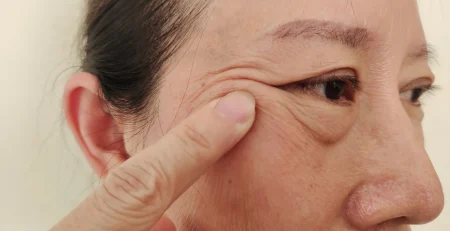
Structural components surrounding the eye play a critical role in maintaining clear vision and daily comfort. Eyelid position, tear production quality, and tear duct drainage must be evaluated together.
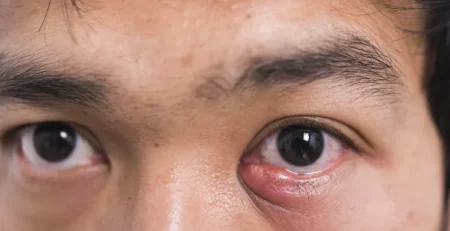
Conditions like ptosis (drooping eyelids), blepharitis (eyelid margin inflammation), and meibomian gland dysfunction can alter how light enters the eye or disrupt the protective tear film. When tear ducts become blocked, chronic watering or recurrent infections can develop, affecting daily activities.
Evaluating the ocular surface ensures that the cornea remains smooth and well-lubricated. Addressing structural eyelid or tear drainage issues early prevents chronic irritation and reduces the risk of corneal scarring.
Environmental and Lifestyle Eye Factors in Singapore
Living in Singapore presents specific environmental challenges for ocular health. Constant exposure to air-conditioned office spaces and high ambient humidity can trigger or worsen dry eye symptoms.
Air conditioning reduces indoor humidity, causing tears to evaporate rapidly. This leads to symptoms such as burning and gritty sensations, and temporary blurriness during long computer sessions. Extended screen time also reduces natural blink rates, aggravating tear film instability.
Annual reviews allow your eye specialist to evaluate your tear break-up time and recommend tailored lubrication or environmental modifications. Protecting your eyes against intense tropical ultraviolet light with UV400 sunglasses is another essential habit to prevent premature cataract formation.
Comparing Routine Screenings and Advanced Ophthalmic Care
Understanding what different evaluations cover helps you select the right level of monitoring for your age and health profile.
| Assessment Feature | Basic Optical Check | Annual Clinical Eye Assessment | Specialised Ophthalmic Evaluation |
|---|---|---|---|
| Primary Focus | Lens prescription & visual clarity | Broad eye health & pressure check | Target structural & retinal analysis |
| Key Tests Included | Refraction, distance chart reading | Tonometry, slit-lamp, fundus photo | Optical Coherence Tomography (OCT), visual field tests |
| Detects Asymptomatic Disease | Limited | Moderate to High | High precision |
| Recommended Frequency | Every 1-2 years (for glasses) | Annually for adults | As advised for diagnosed conditions |
| Ideal For | Basic vision correction | General population annual check | High-risk patients & complex cases |
Selecting the appropriate evaluation level ensures that hidden visual threats are identified early, protecting your optical wellness for years to come.
Steps to Take After Your Annual Eye Assessment
Once your yearly check is finished, review the results directly with your eye doctor to understand any recommended care steps.
If your prescription requires an update, update your work and reading glasses promptly to avoid unnecessary eye strain. For dry eye conditions, implement targeted eye drop routines or take structured breaks during computer work.
Maintain a personal record of your screening results, including eye pressure readings and retinal images. Having a clear baseline simplifies tracking over time, ensuring your eye care team can spot subtle trends early.
Conclusion
Your eyes are essential to maintaining an active, independent, and fulfilling lifestyle. Following an annual eye health checklist ensures that age-related, environmental, and structural changes are recognised and addressed early. From monitoring intraocular pressure to evaluating tear duct function and corneal stability, consistent care protects vision at every stage of life
If you have not scheduled your regular eye assessment recently, contact a dedicated clinic today to safeguard your long-term optical health.
Frequently Asked Questions
How often should adults in Singapore schedule an eye checkup?
Adults should schedule a clinical eye checkup once every year. Annual assessments help track subtle refractive changes, monitor intraocular pressure, and inspect the retina for early signs of asymptomatic conditions like glaucoma or macular changes.
What is the difference between an optician screening and a clinical eye evaluation?
An optician’s screening focuses primarily on measuring visual acuity and fitting corrective spectacle lenses. A clinical eye evaluation conducted by an ophthalmologist or eye specialist assesses internal eye structures, measures intraocular pressure, inspects retinal blood vessels, and evaluates tear film and eyelid health.
Can high digital screen time cause long-term eye damage?
While high digital screen time does not typically cause permanent structural eye damage, it frequently causes digital eye strain and dry eye symptoms. Reduced blinking during screen use accelerates tear evaporation, leading to irritation, temporary blurriness, and fatigue that should be addressed during annual eye exams.
How does Singapore’s humid climate affect dry eye symptoms?
Although Singapore has high outdoor humidity, frequent movement between humid outdoor weather and air-conditioned indoor environments accelerates tear evaporation. Low indoor humidity in office buildings often triggers chronic ocular surface irritation and dry eye discomfort.
Are eye screening fees covered by local insurance panels?
Coverage for clinical eye screening depends on your individual private health insurance or corporate insurance plan. Many corporate and personal policies cover diagnostic consultations and screenings when performed for medical indications or routine health assessments.